
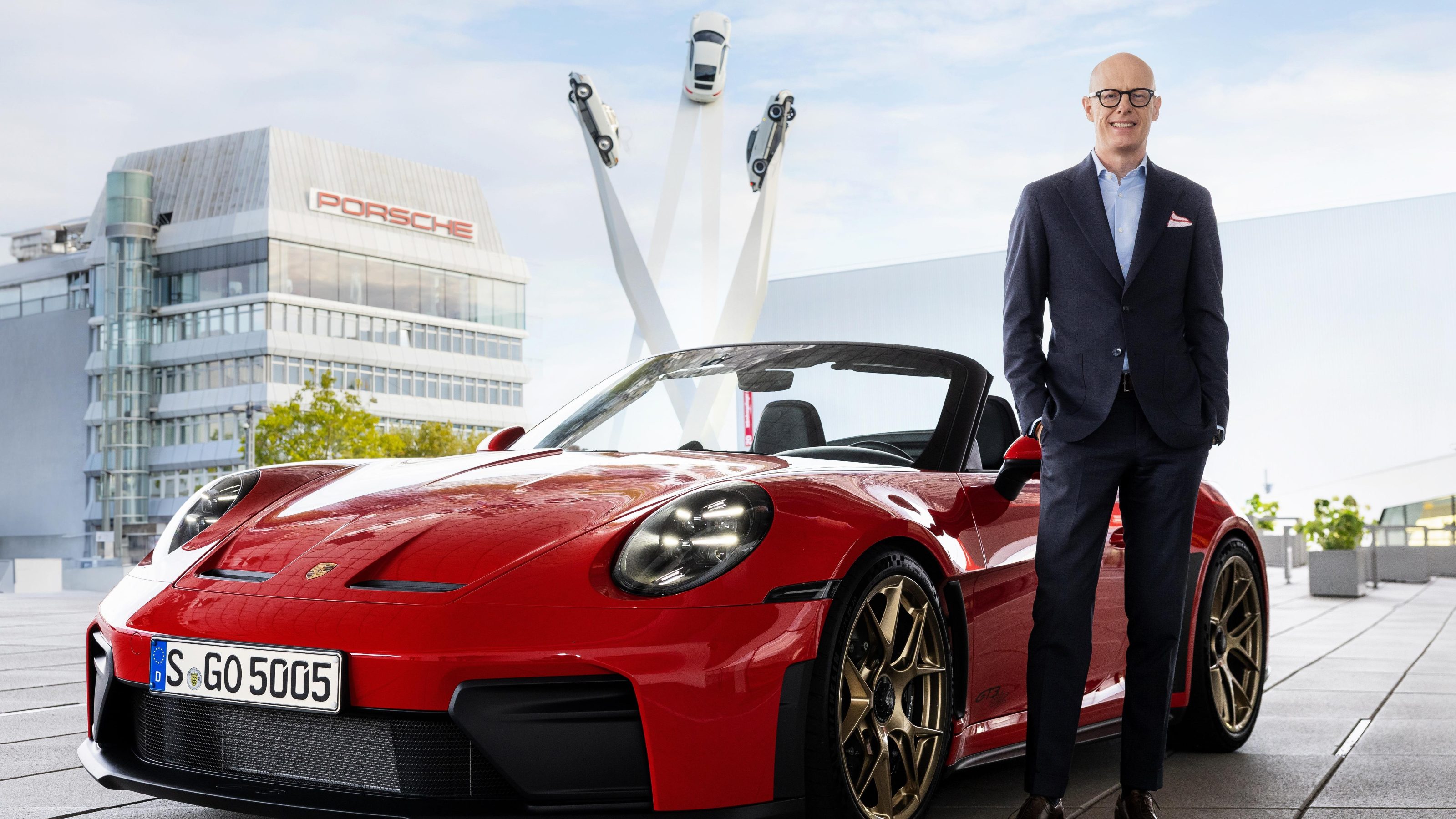
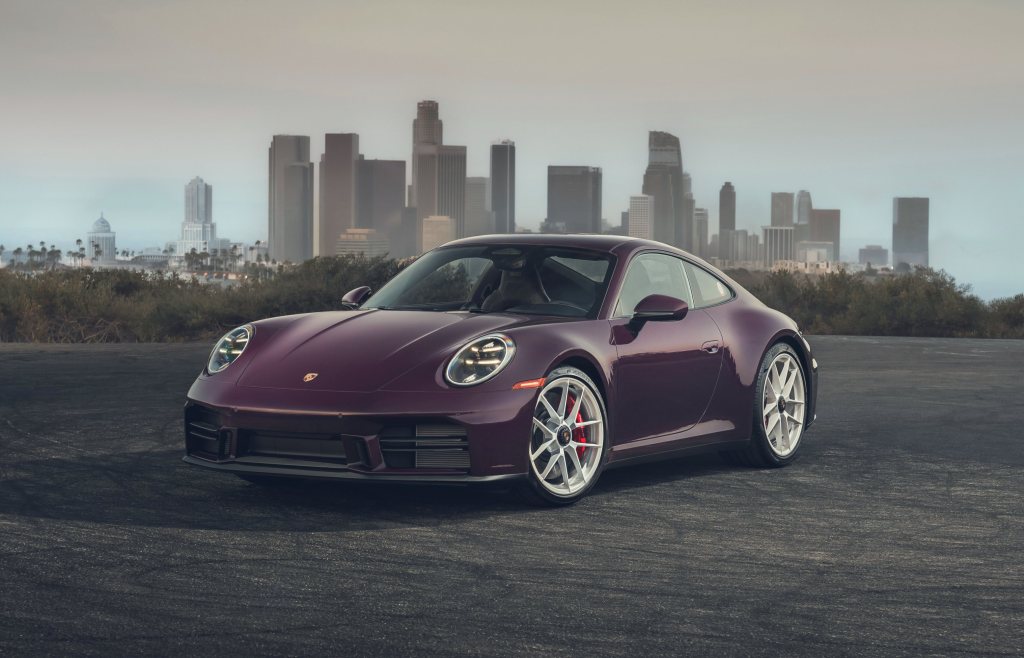
Porsche is planning a new supercar that will sit above the 911 in the automaker’s hierarchy.
The halo model is part of Porsche’s new strategy that will see it through to 2035, which the German sports car maker hopes will boost profitability and cashflow while reducing capital costs.
At a glance, the strategy calls for Porsche to go higher-end, including selling fewer cars but at higher margins.
Sports cars and SUVs remain integral to the automaker. The future 718 Boxster and Cayman models will go fully electric, with production planned in 2028. The company also plans a new fuel-burning B-segment SUV that will be offered alongside the electric Macan. Other plans also call for vehicles in high-margin D and E segments.
“The ultimate goal is to further strengthen our unique sports car brand – across all model lines and with new, highly desirable models in particularly high-margin segments,” said Michael Leiters, chairman of the executive board of Porsche AG, in a news release. “Our strategy will lay the groundwork to make Porsche significantly more efficient, productive and profitable in three phases.”
You can read the full news release online.
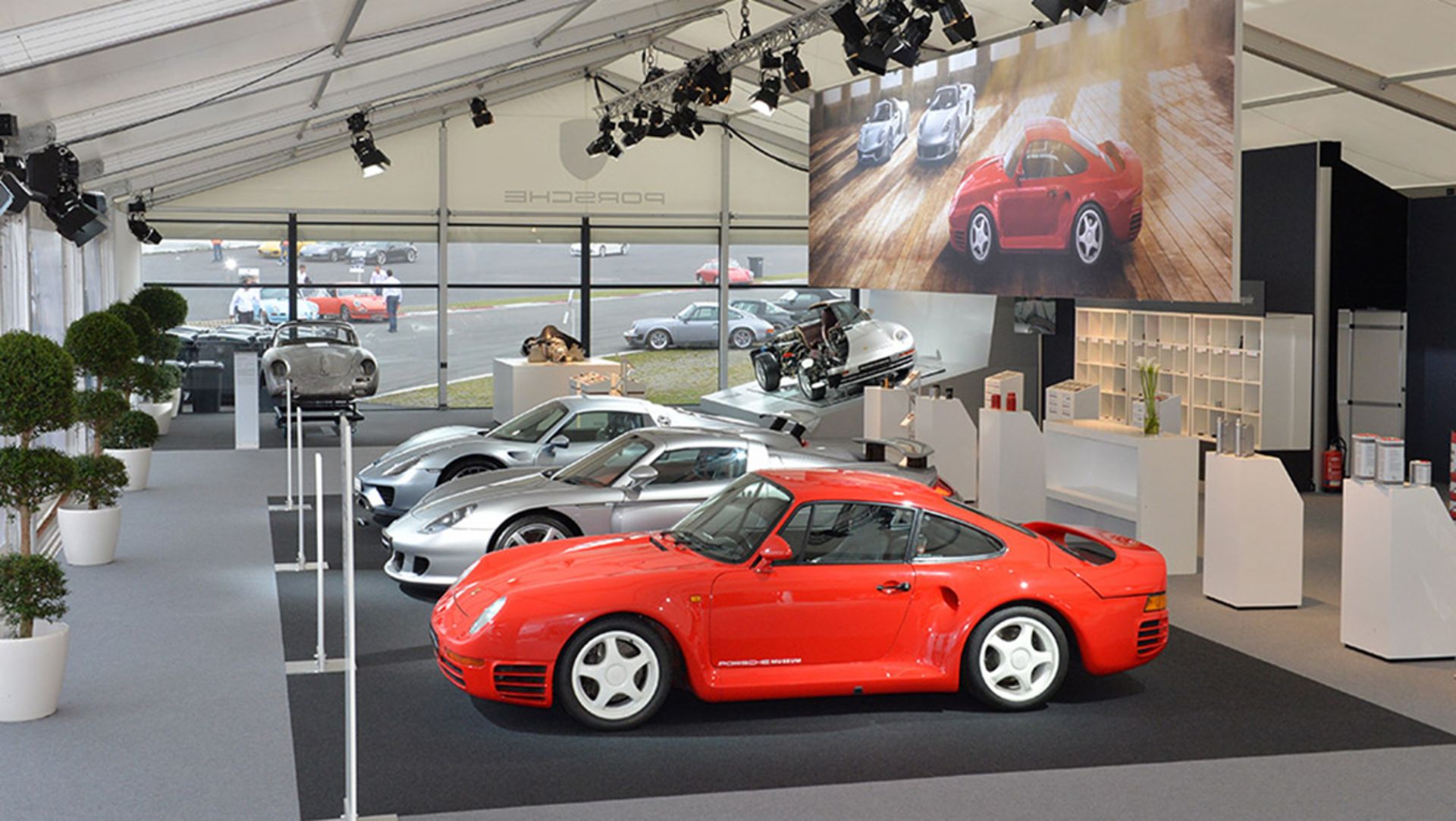
Porsche had supercars before
As mentioned above, the plan calls for a new mid-engine supercar that will sit above the 911.
The 911 has essentially been Porsche’s flagship or halo model since it launched in 1963, but the automaker had offered supercars several times over the decades that exceeded the performance levels of the 911. You can probably name three of them, while two others are less known to most.
Let’s explore all five.
Porsche 959
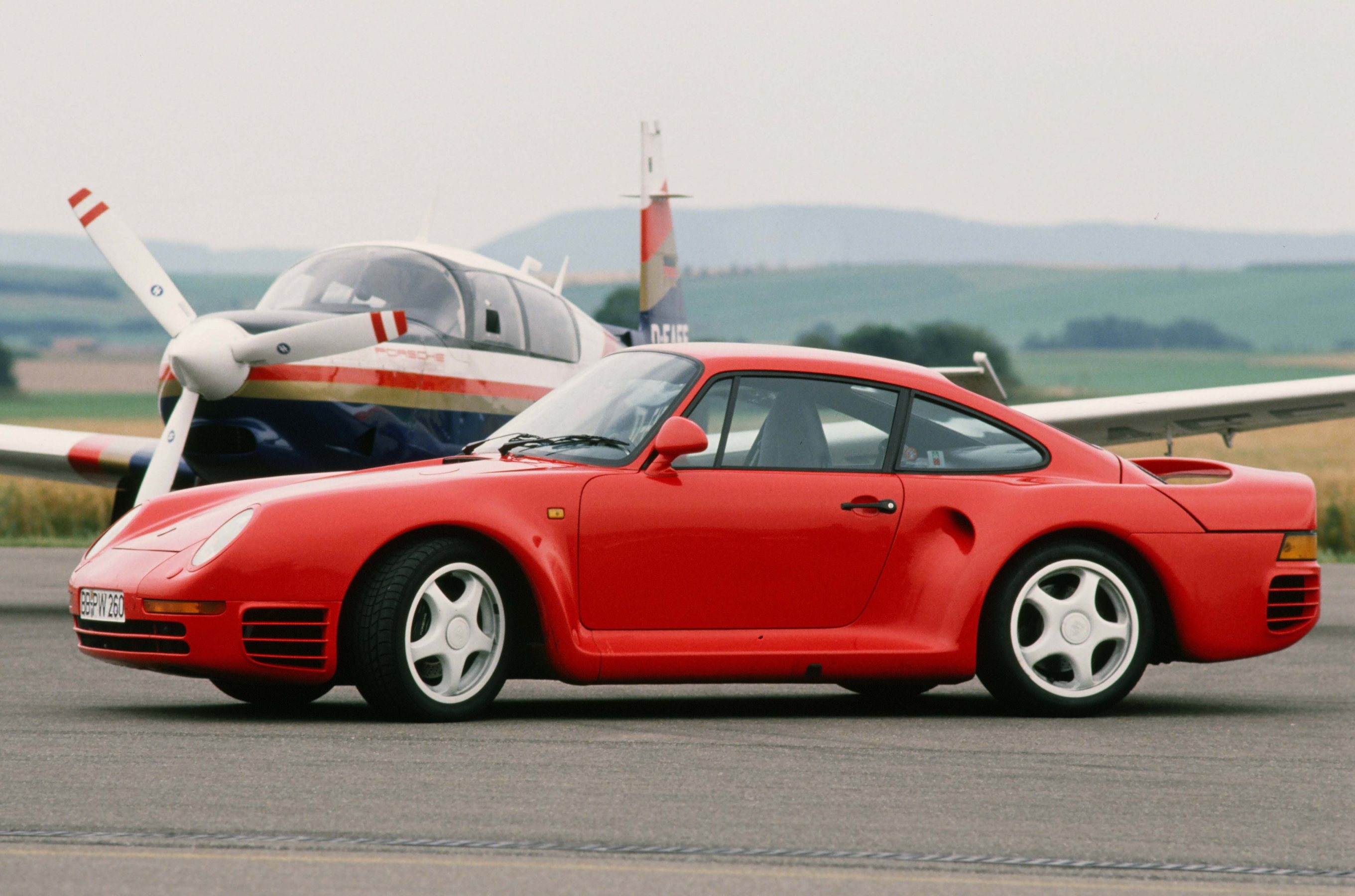
The Porsche 959 launched in 1985 when the company was looking for a successor to the 911, one that could enter Group B rally racing. Like the 911, the 959 sported a rear-engine layout.
During the car’s development, the Group B segment was dropped, but Porsche continued work on the car anyway.
The end result was a supercar with a new all-wheel-drive powertrain. The flat-six 2.8-litre engine produced 444 hp (450 PS).
The car had a top speed of nearly 320 km/h and a zero to 100 km/h sprint time of 3.7 seconds.
Only 292 examples were made.
Porsche Carrera GT
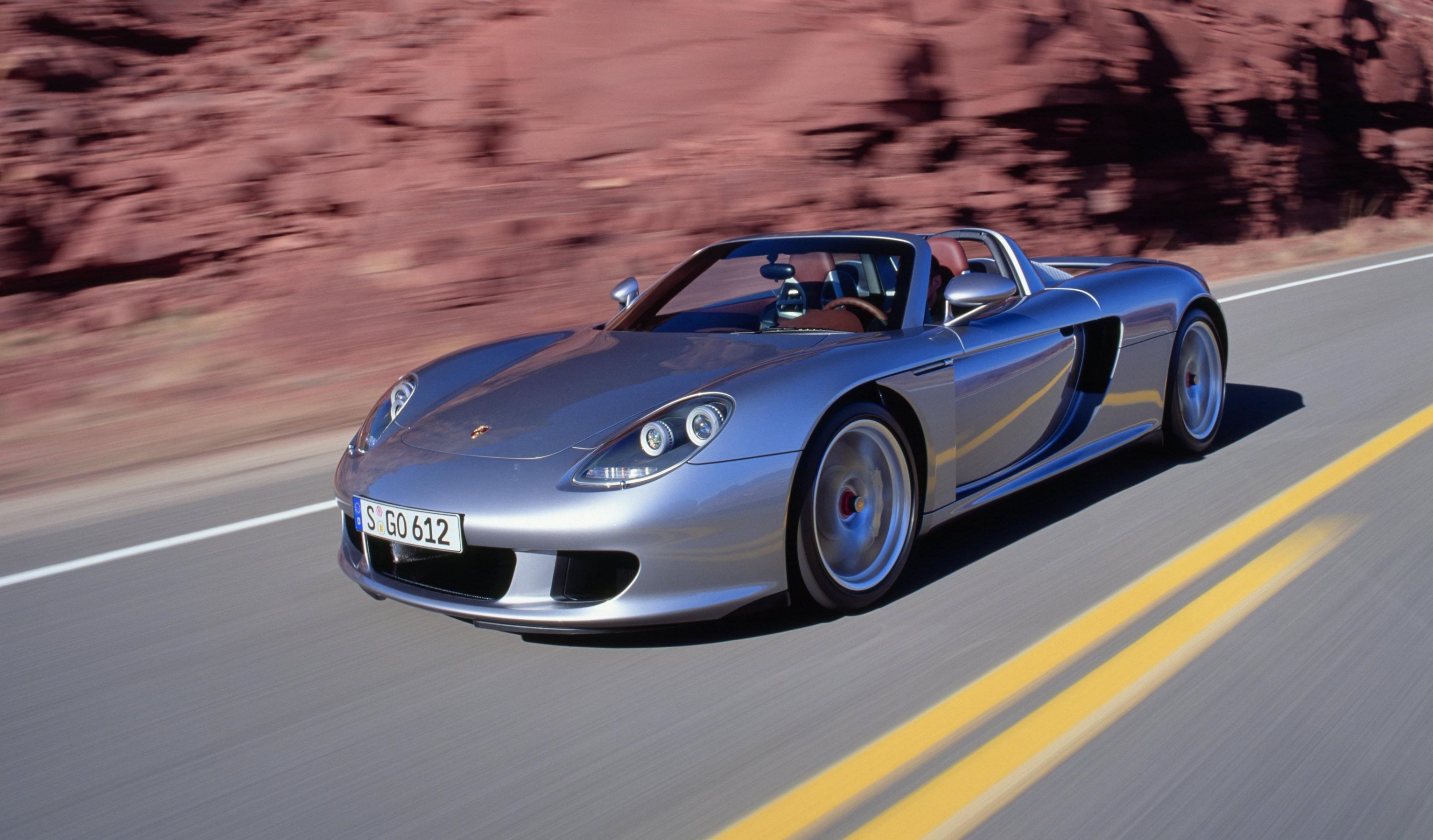
In 2003, Porsche launched the Carrera GT, a mid-engine supercar powered by a 5.7-litre V10 engine. The engine was based around one that was originally designed for a Le Mans prototype, but that car ended up never racing.
The motor produced 604 hp (612 PS), giving the Carrera GT a zero to 100 km/h sprint time of 3.9 seconds, zero to 200 km/h in 9.9 seconds and a top speed of 330 km/h.
The car’s original best lap time at German’s fabled Nürburgring Nordschleife race track was 7:28 minutes. However, in 2024, Porsche fitted the car with modern Michelin Pilot Sport Cup 2 tires and test development driver Jörg Bergmeister was able to reduce the lap time to 7:12.69.
Porsche said the entire run of 1,270 Carrera GTs sold out immediately.
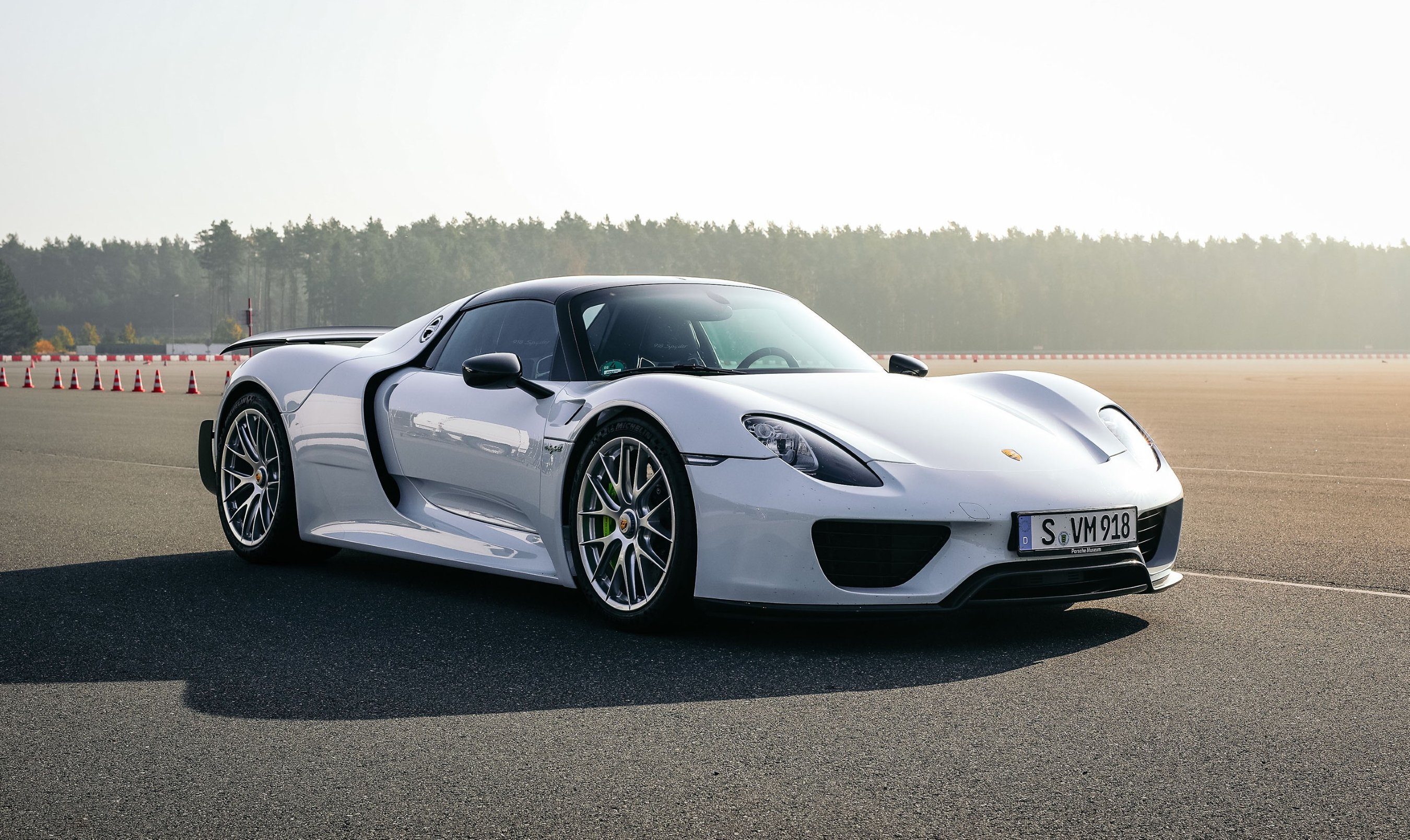
Porsche 918 Spyder
Porsche’s next mid-engine supercar came a decade later when the automaker launched the 918 Spyder in 2013.
This car was powered by a plug-in hybrid powertrain. A mid-mounted 4.6-litre V8 engine mated with a 115-kW rear electric motor and a 95-kW motor up front gave the car a total of 874 hp (887 PS).
The car could hit zero to 100 km/h in 2.6 seconds and had a top speed of 345 km/h.
The car lapped the Nürburgring Nordschleife race track in a time 6:57 minutes.
The 918 Spyder had a production run of 918 cars.
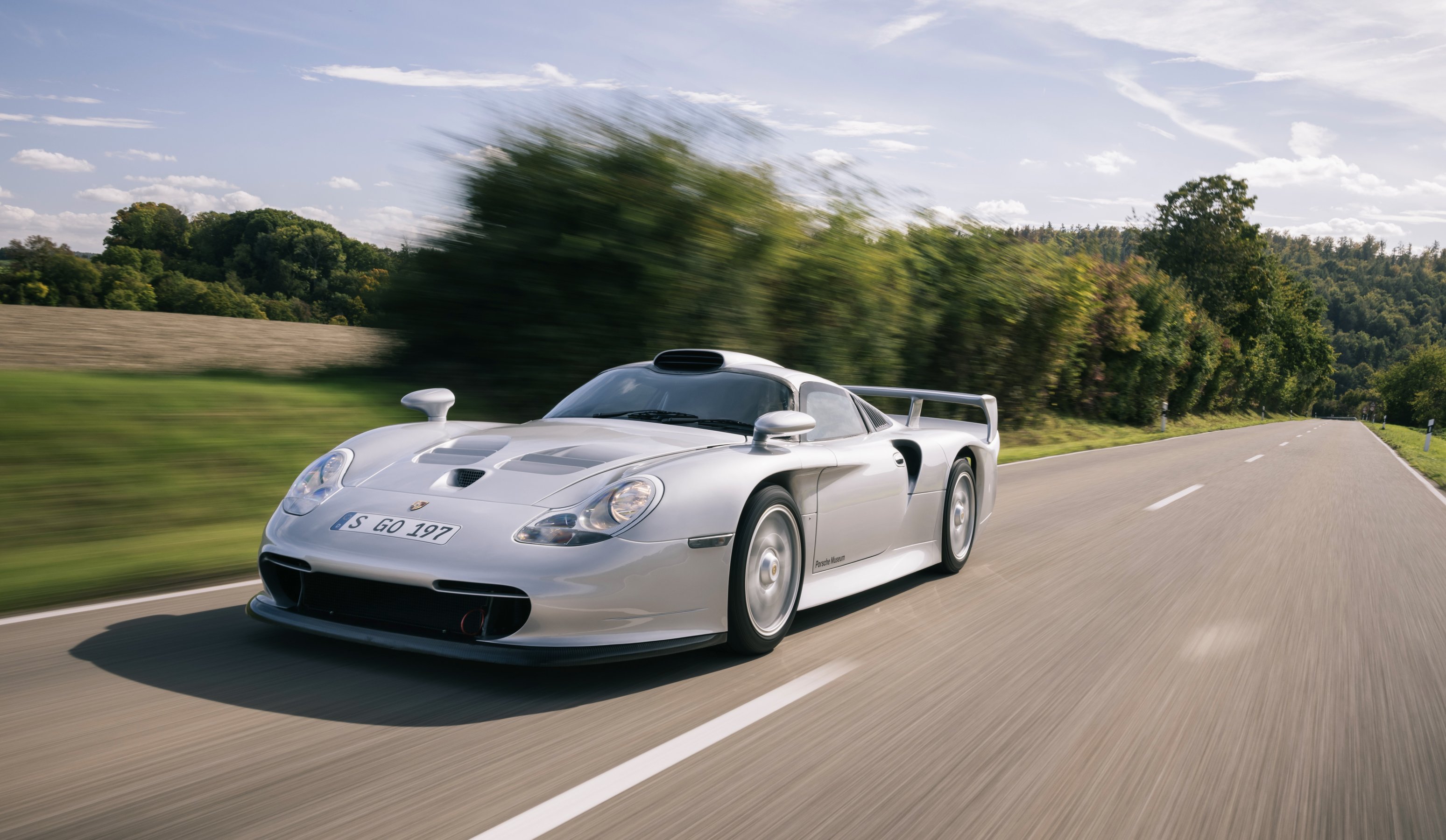
Porsche 911 GT1 Strassenversion
Now we’re getting to the less-known Porsche supercars, starting with the 911 GT1 Strassenversion (street version).
The car’s entire reason for being was that Porsche needed to create a road-legal production version of the 911 GT1 Evolution so that the race car could enter the 24 Hours of Le Mans in 1997.
Porsche made just 21 road legal versions of the 911 GT1. While the car has 911 in its name, it has little in common with the 911 of the day.
The 911 GT1 Strassenversion was powered by a 3.2-litre six-cylinder engine producing 537 hp (544 PS), which gave it a zero to 100 km/h time of 3.6 seconds and a top speed of 310 km/h.
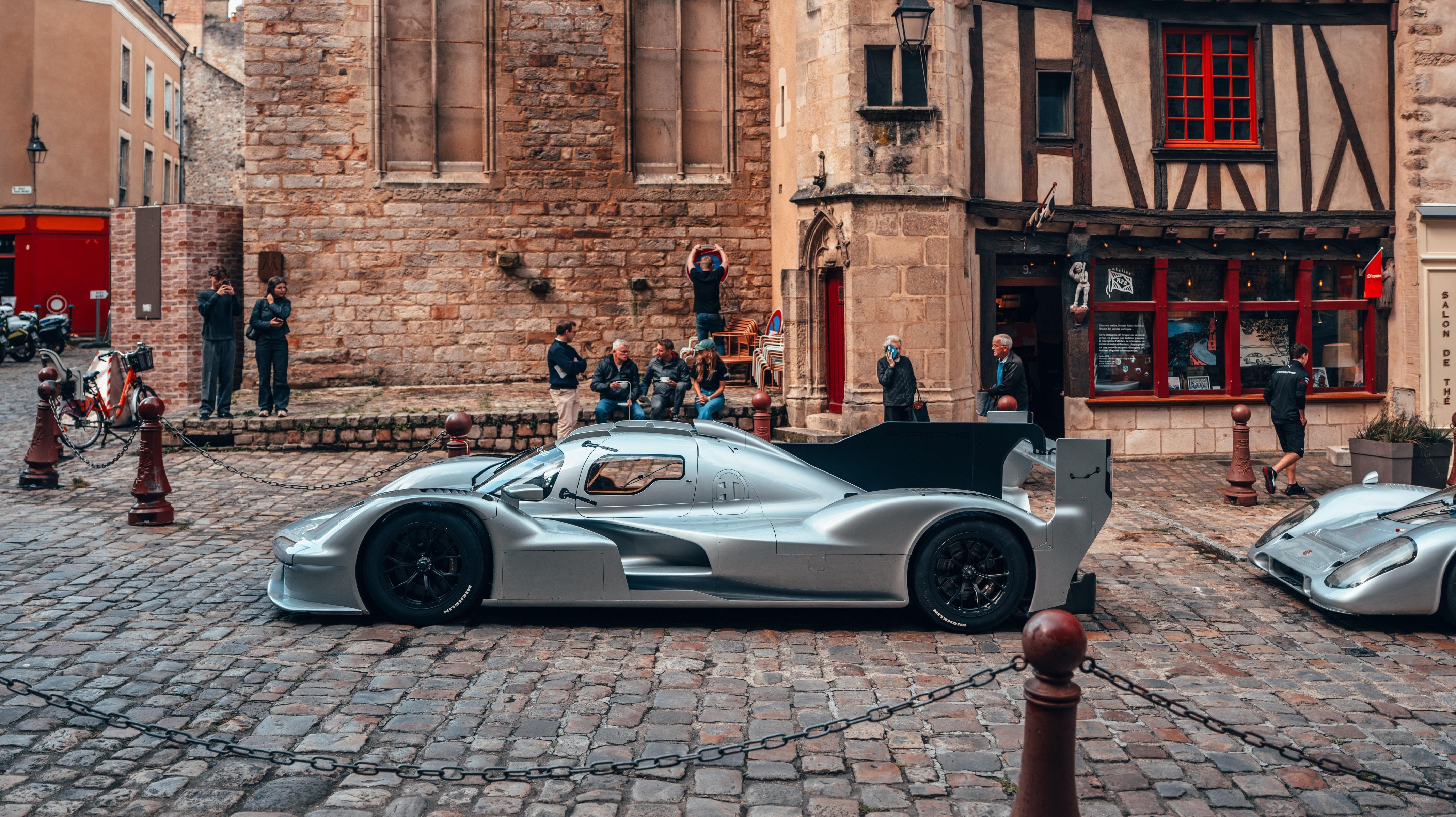
Porsche 963 RSP
Now we’re getting to the rarest of Porsche’s supercars, the 963 RSP, which Porsche built specifically for longtime Porsche racing collaborator Roger Penske.
The one-off car was revealed in June 2025.
It’s based around Porsche’s IMSA championship- and WEC championship-winning 963 race car, and is inspired by the Porsche 917 of 50 years ago.
It’s also only barely road legal. It requires special permission from French authorities to be allowed to drive on the road and to get licence plates.
Porsche Mission S previews future supercar
Porsche plans to provide a preview of a potential future mid-engine supercar, which it calls the Mission S. This preview will be shown on Oct. 15.
It’s possible the Mission S will feature some of the elements of the Mission X, a concept car Porsche revealed in 2023.
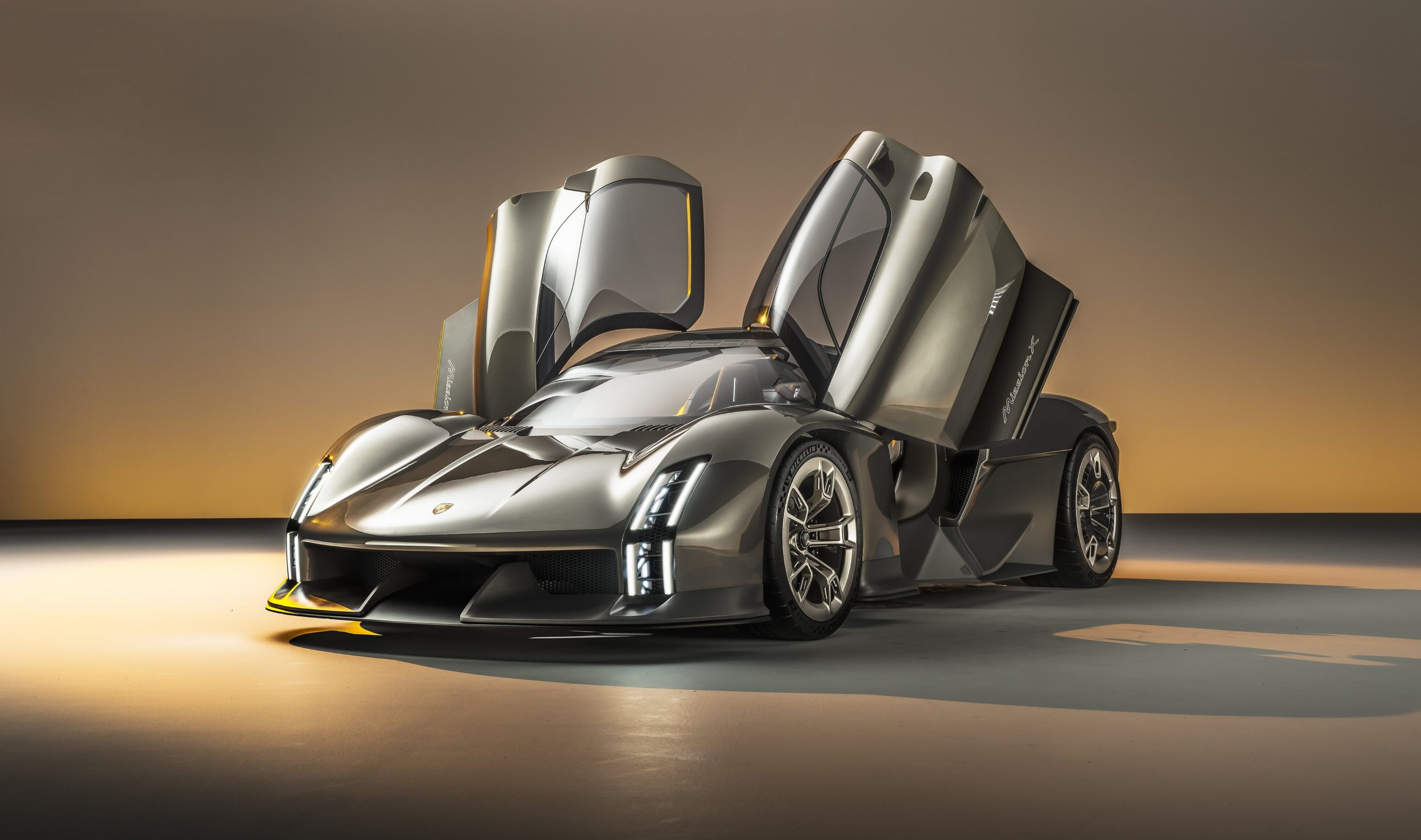
Porsche said that if the Mission X ever went into production, it would be with the intention that it becomes the fastest road-legal vehicle around the Nürburgring Nordschleife.
Porsche already owns the race car lap record at Nürburgring, but the road-legal car lap record belongs, as of this writing, to the Mercedes-AMG One.
More details about Porsche’s upcoming halo model will be announced soon.


Leave a Reply