
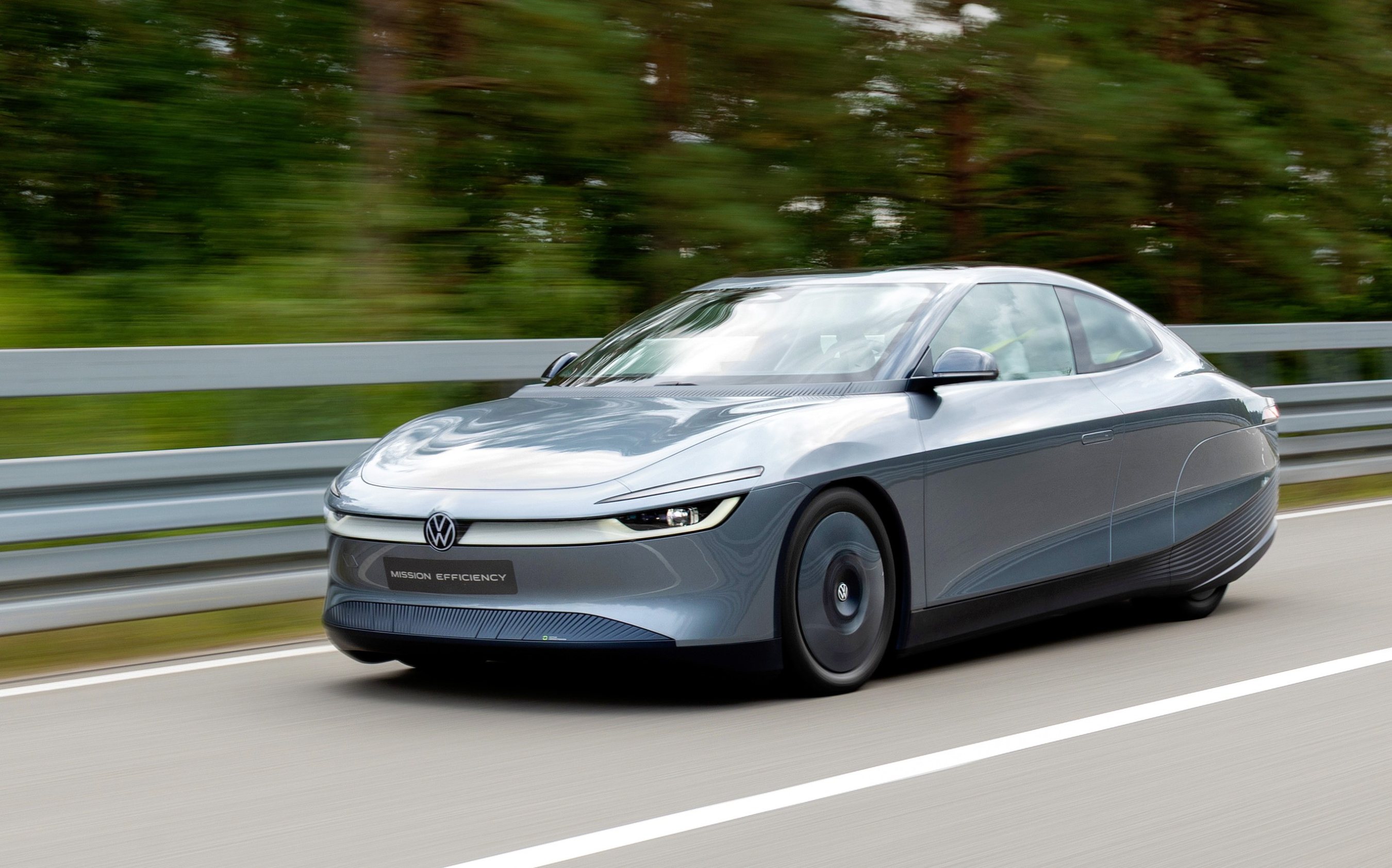
Volkswagen is showing how to get the most electric vehicle range out of the least amount of energy used possible.
The automaker revealed a prototype of the Mission Efficiency, a near-production electric car that manages some spectacular efficiency figures.
For starters, the car manages a drag coefficient of 0.158 Cd, a record among road-approved cars.
Another record-setting performance is its energy consumption. Under an “ideal trip” condition – a constant travelling speed of 68 km/h on a level road and with peripherals such as AC turned off – the car manages an energy consumption of 6.48 kWh/100 km.
Volkswagen points out the car set a third record, that’s for being the most economical near-production electric car in its class.
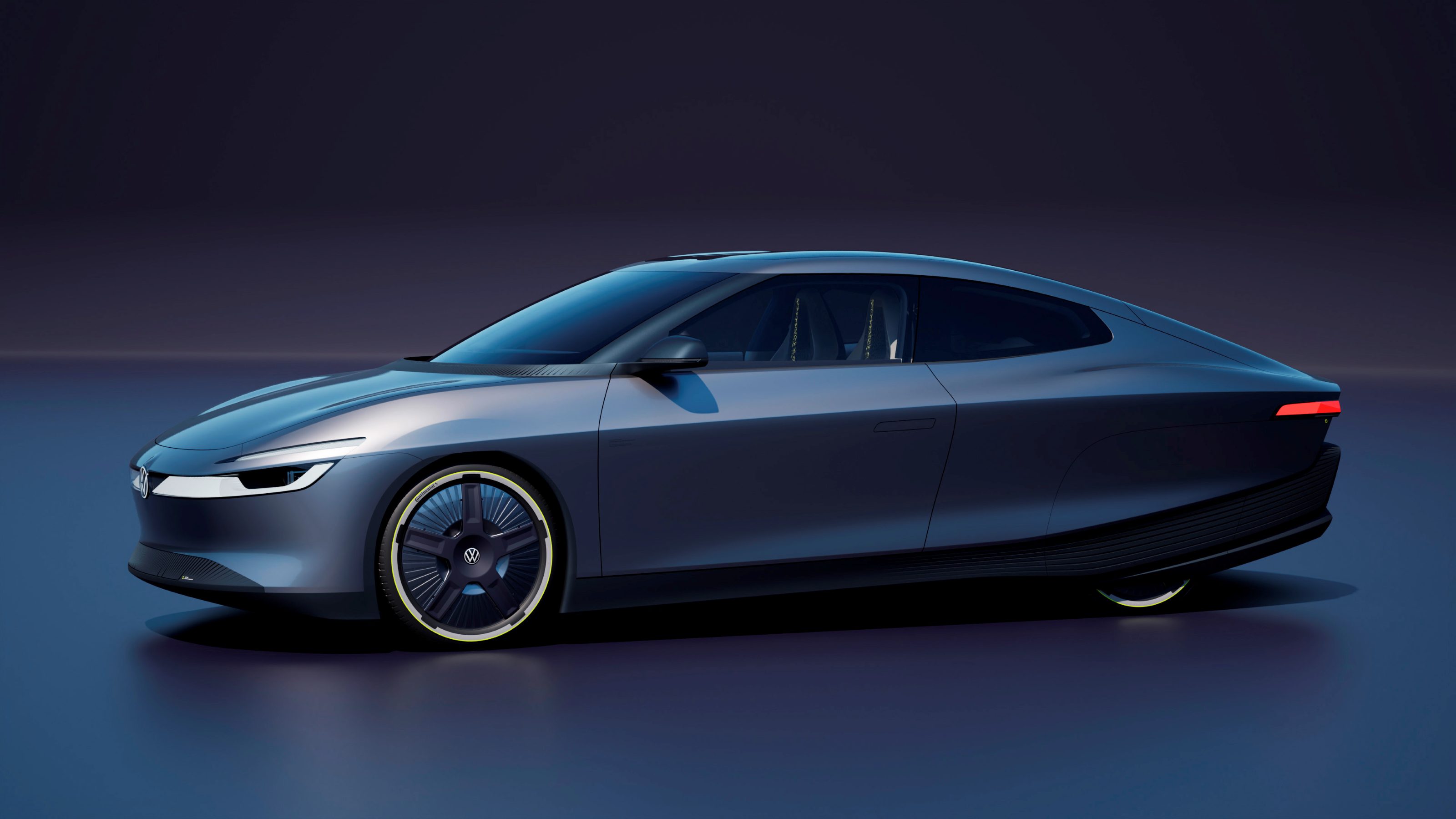
More than 1,200 km covered with one charge midway
The company took the prototype fitted with a 54.9-kWh battery on an officially documented consumption test drive that covered 1,278.36 kilometres from Volkswagen’s German Development Centre in Wolfsburg via Poznań (Poland) and Olmütz (Czech Republic) to Austria’s capital, Vienna.
The car needed to be charged just once along the journey, which is impressive considering the car has a relatively small battery by today’s EV standards.
Volkswagen said when the car arrived at its destination it still had 164 kilometres of range remaining.
The journey consisted of an average speed of 67.72 km/h, and the top speed was 138 km/h.
Affordable technology
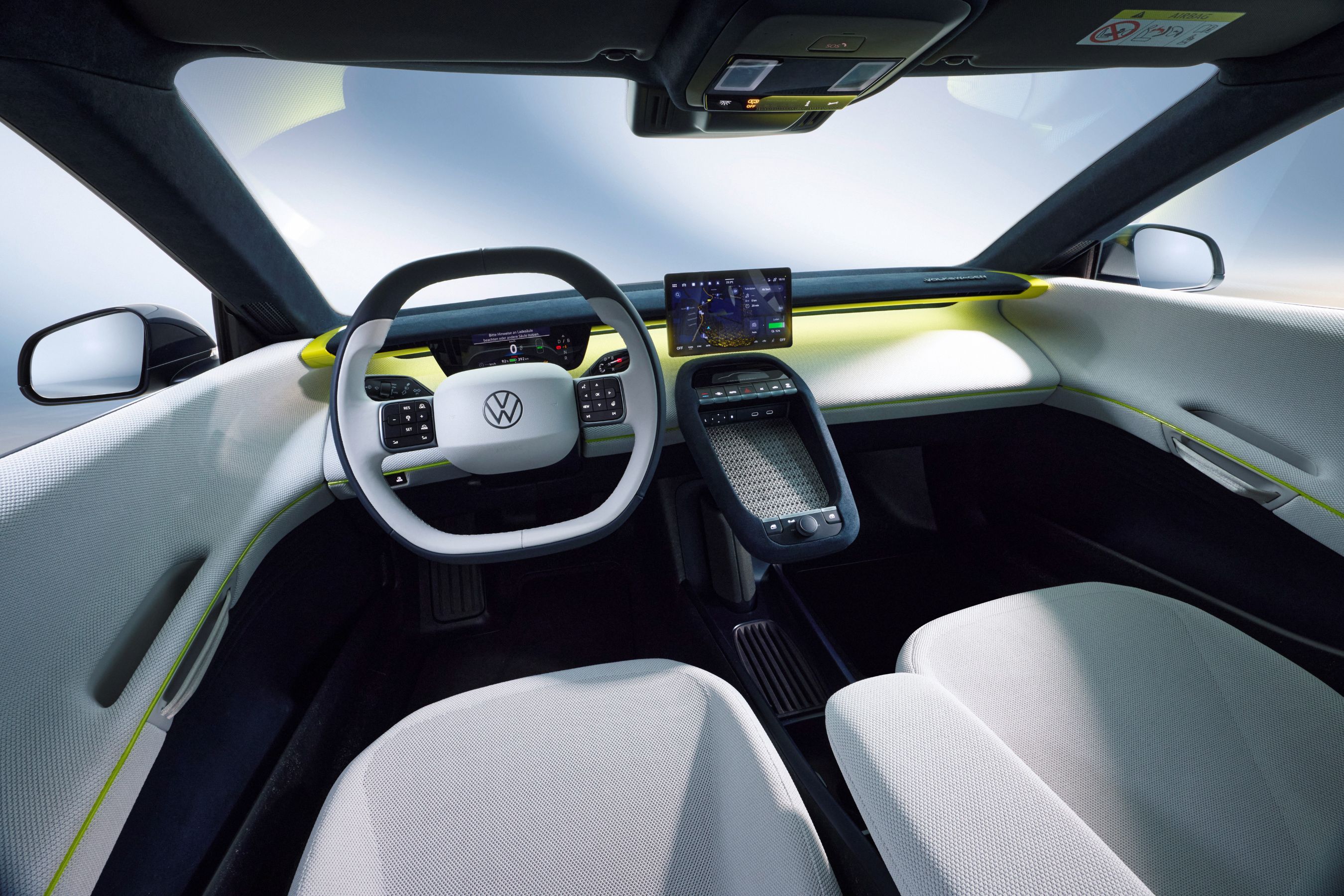
Volkswagen aims for the eventual production car to be available to the masses.
The automaker said the EV uses affordable production technology, borrowed from VW’s EVs such as the ID. Polo and ID. Cross and runs on the existing MEB+ platform with front-wheel drive.
Solar panel adds range
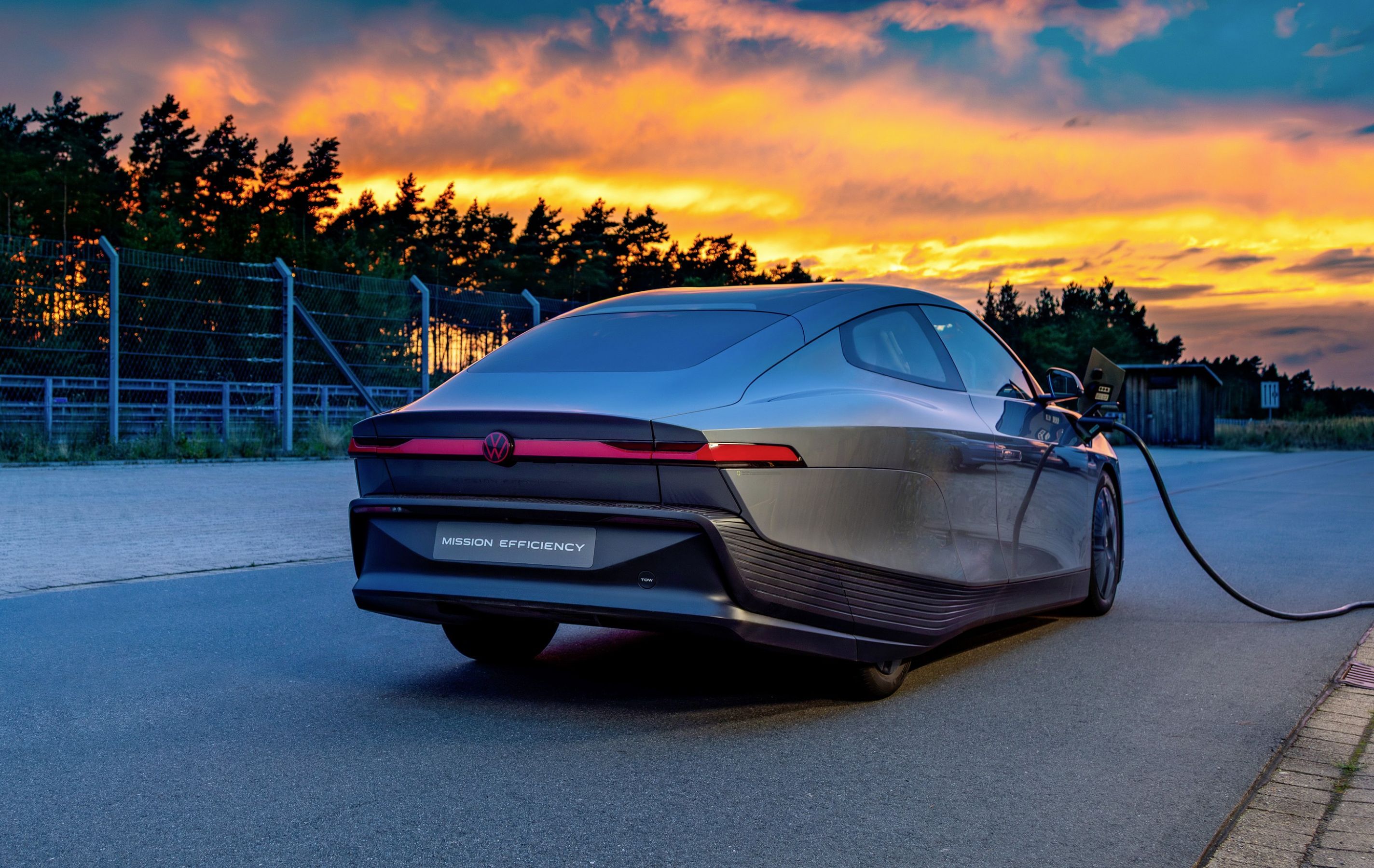
A photovoltaic system with a power output of 370 watts is integrated into the glass roof and trunk lid.
It supplies power to on-board electric systems.
Volkswagen said depending on the season, region and weather, it can increase range by as much as 30 kilometres per day.
About the car
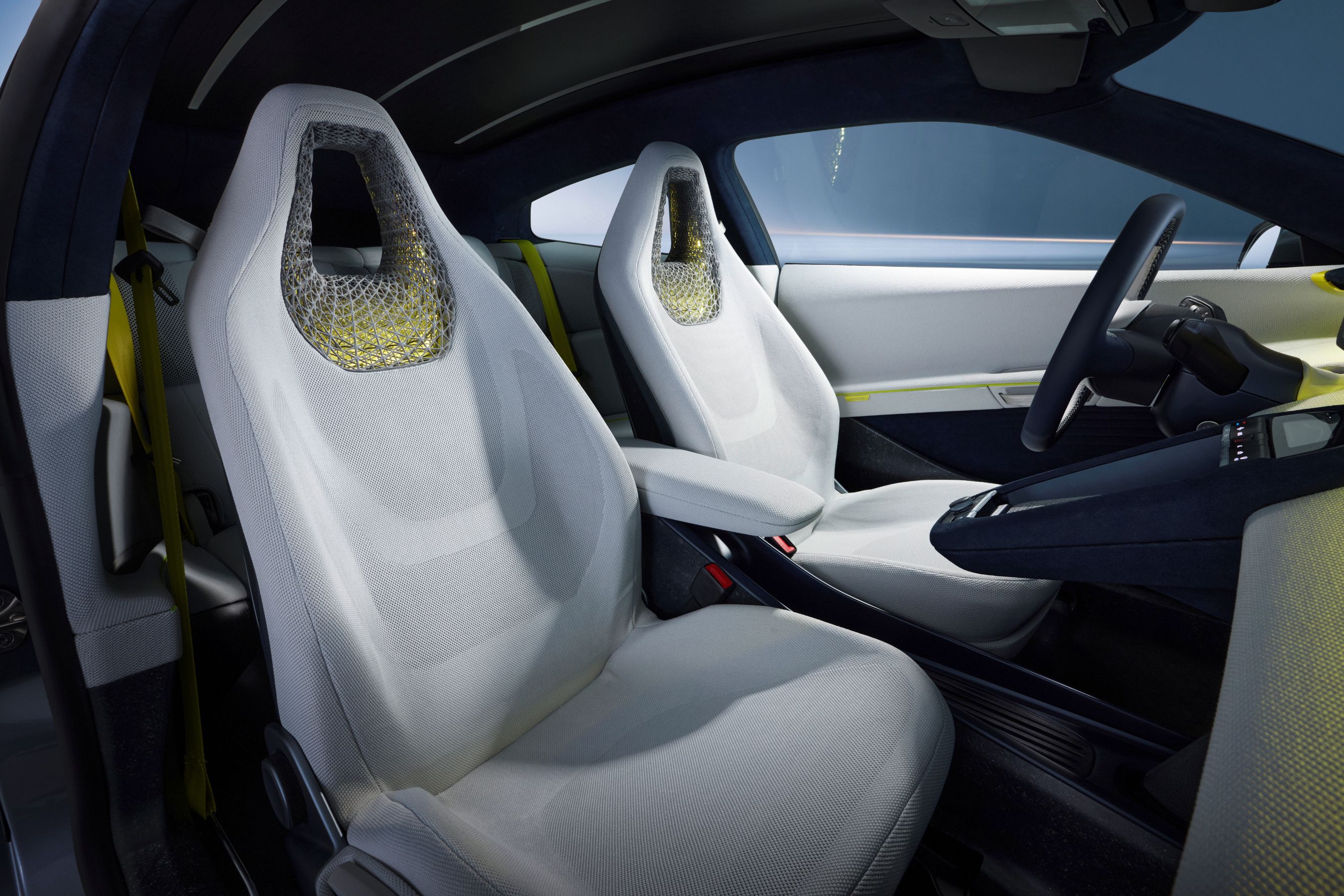
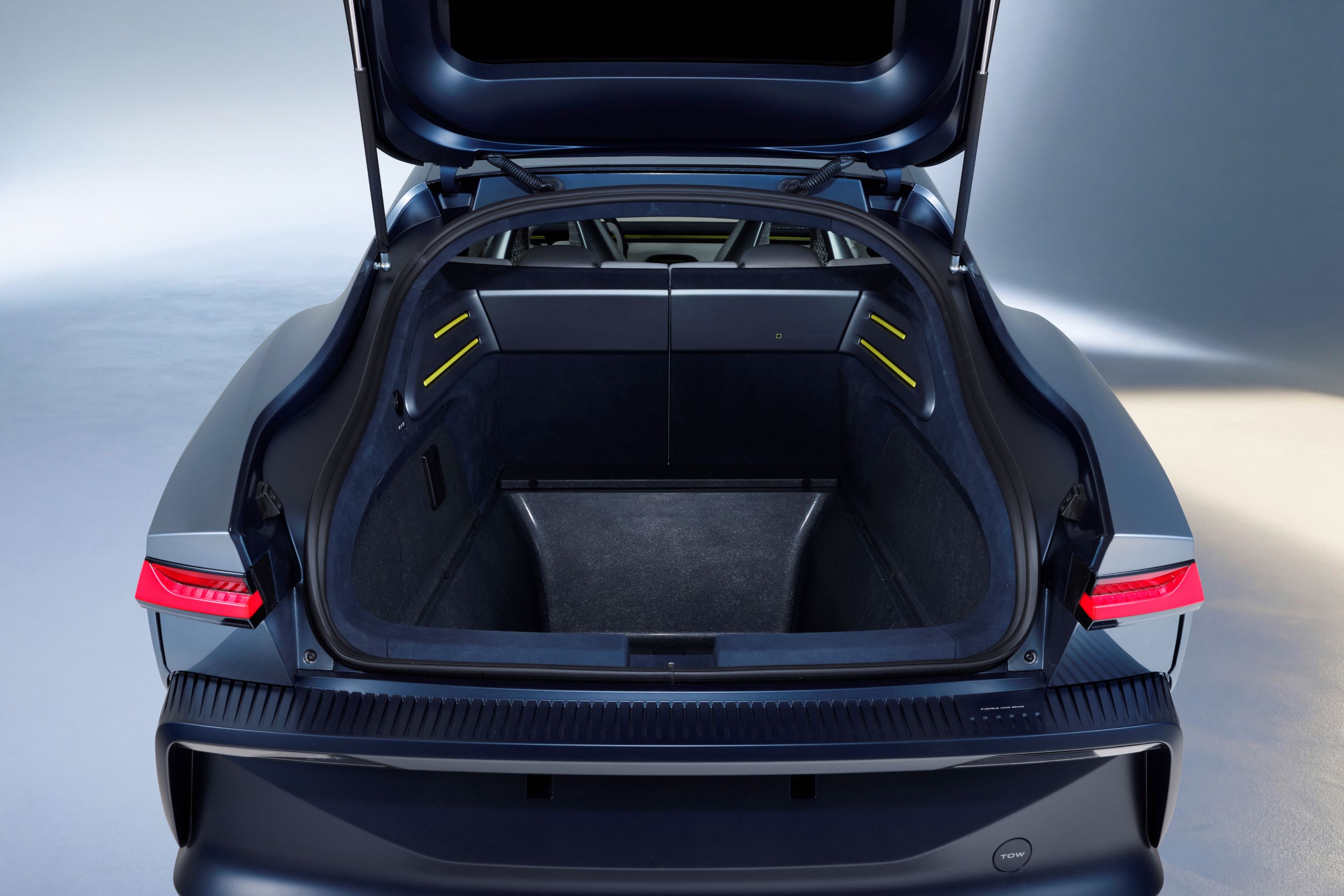
Mission Efficiency is quite long at 4,775 millimetres long. The two-door offers a 2+2 seating layout and a luggage compartment with 481 litres of space. The rear seats are intended for occupants up to 1.6 metres tall.
The car also has stowage compartments under the seats and in the sides of the body.
Prototype shows potential for other models
“The new Mission Efficiency impressively demonstrates the incredible potential of the drive system in our new ID. Polo. Developed for all models based on MEB+ with front-wheel drive, the system is extremely light, very efficient and thus the ideal drive system for our record-breaking vehicle,” said Kai Grünitz, board member technical development, Volkswagen Brand and Brand Group Core, in a news release.
“The Wolfsburg team behind the Mission Efficiency has achieved something outstanding: on the one hand, the crew has proved that Volkswagen is one of the world’s leading manufacturers in the area of aerodynamics. On the other hand, they are also showing that you can build the most efficient car in the world using affordable, large-scale production technology.”
 Empty Tank
Leave a comment