
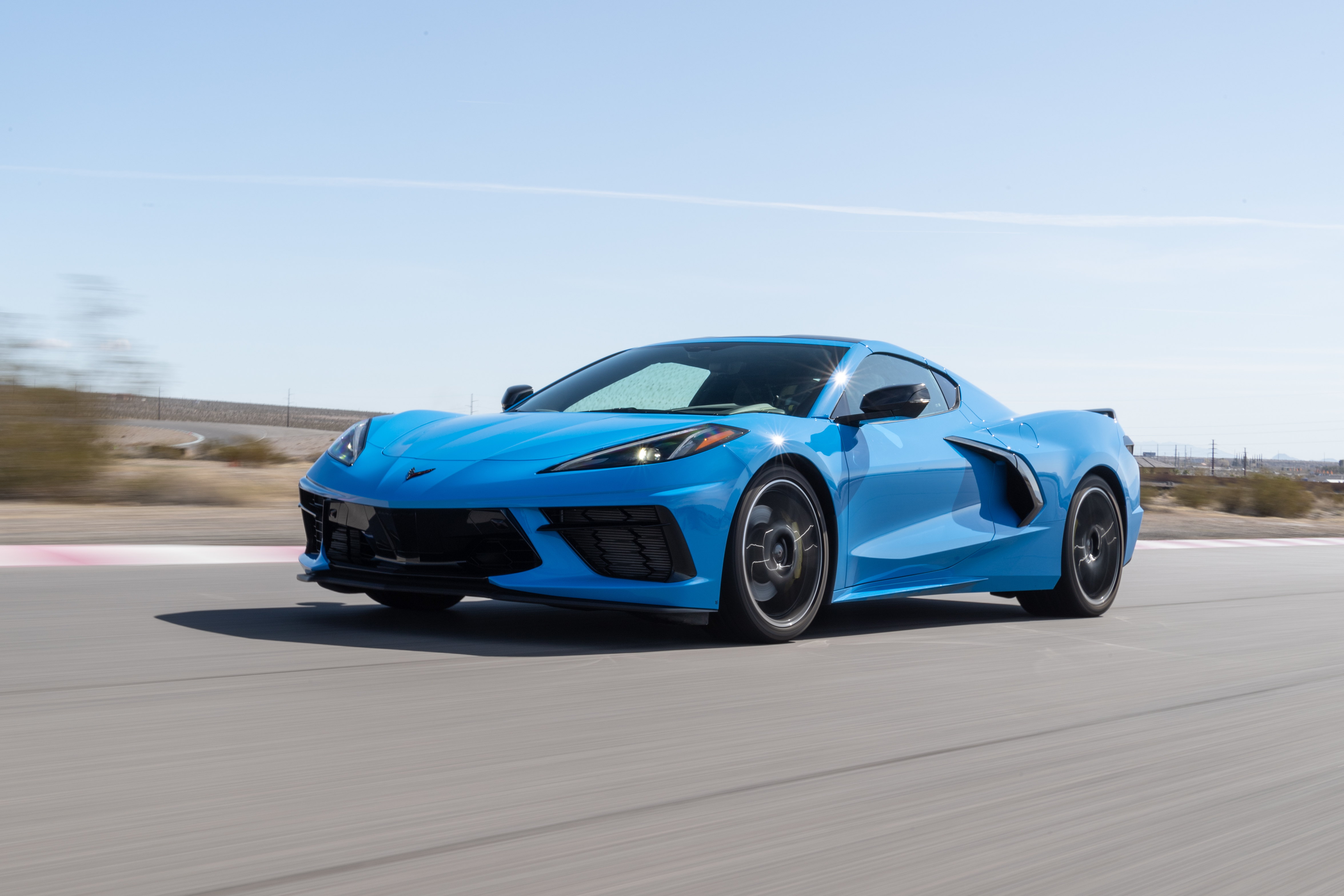
Typically, when automakers introduce new powertrains in vehicles, the engines get smaller. This is done to improve fuel economy.
To compensate for the loss of displacement, car companies use various modern methods to give us the power we desire – forced induction, electrification, higher rpm, software updates and so on.
So it came as a bit of a surprise when General Motors announced that the Chevrolet Corvette’s base engine – the one powering the Stingray and all-new Grand Sport models – would be getting larger in 2027, not smaller.
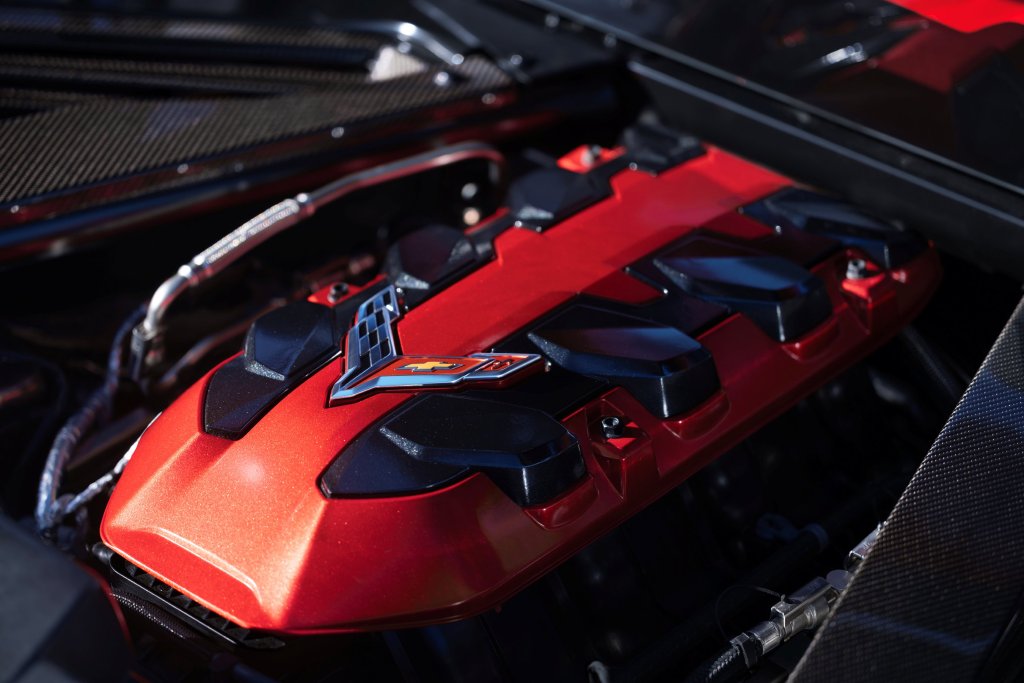
The new engine, known as the LS6, is a V8 with a displacement of 6.7 litres. It replaces a 6.2-litre V8 engine.
The Corvette is also receiving a welcome power boost thanks to the new V8, with the new 6.7-litre unit producing 535 hp and 520 lb.-ft. of torque. That’s up from the outgoing engine’s figures of 490 hp and 465 lb.-ft. of toque (or 495 hp and 470 lb.-ft. with the Z51 Performance Package).
Is fuel consumption rising in 2027?
I’m not sure if Corvette buyers worry about fuel prices or how much gas their mid-engine sports cars burn, but readers may be curious if the new, larger engine burns more fuel.
Natural Resources Canada, which has an online fuel consumption guide, posted the fuel consumption ratings for the 2027 Corvette, which, for your edification, I will compare to the fuel consumption rating of the 2026 ‘Vette. Both require premium, by the way.
NRCan’s fuel consumption ratings for the 2027 ‘Vette compared to the 2026 ‘Vette are as follows:
- City – 15.7 L/100 km, up from 15.1 L/100 km
- Highway – 9.4 L/100 km, no change
- Combined – 12.9 L/100 km, up from 12.5 L/100 km
For our American friends who may happen onto this site and prefer to see the above figures in miles per gallon, they translate to:
- City – 15 mpg, down from 15.6 mpg
- Highway – 25 mpg, unchanged
- Combined – 18.2 mpg, down from 18.8 mpg
There you have it, the new, more powerful 6.7-litre engine consumes more gasoline, according to Canadian government data, though at a rate that likely won’t be noticed by owners.
For the Corvette’s full model details, visit the Chevrolet Canada website.


Leave a Reply