
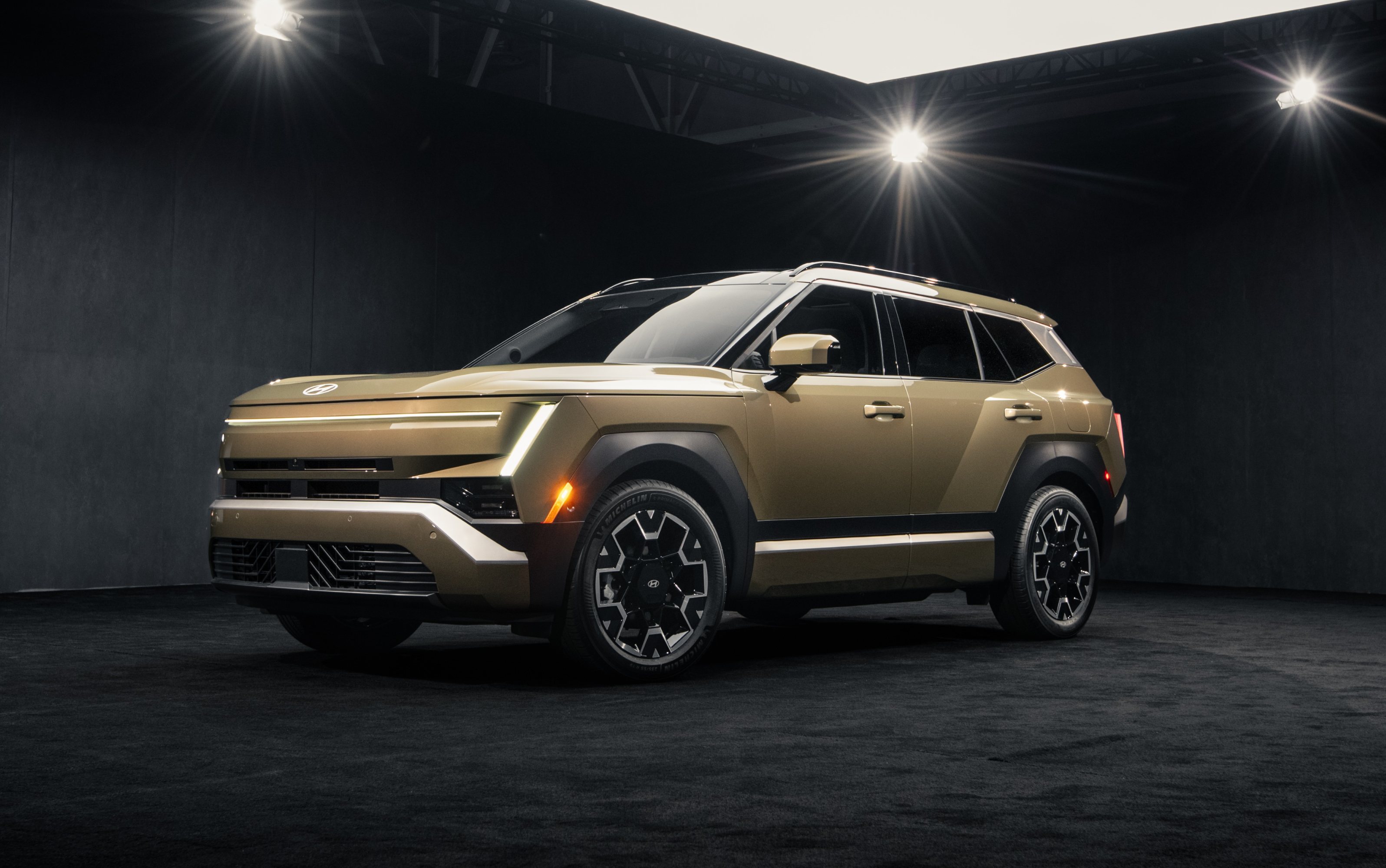
The next-generation Hyundai Tucson has been revealed and it arrives with plenty of wow factor.
Long the company’s North American top-seller, the Tucson is a compact SUV that for the 2027 model year is becoming bigger and bolder.
Hyundai called it the boldest SUV vision of its “Art of Steel” design direction.
The all-new Tucson will be available with a standard internal combustion engine choice, as well as hybrid and plug-in hybrid powertrains.
“Millions of families around the world count on the Hyundai Tucson, and this is the best one we have ever built,” Hyundai Motor Company president and CEO José Muñoz said in a news release. “Its combination of bold design, generous cabin space, seamless infotainment, and available hybrid efficiency sets a new standard for what customers should expect in this segment.”
Size and design
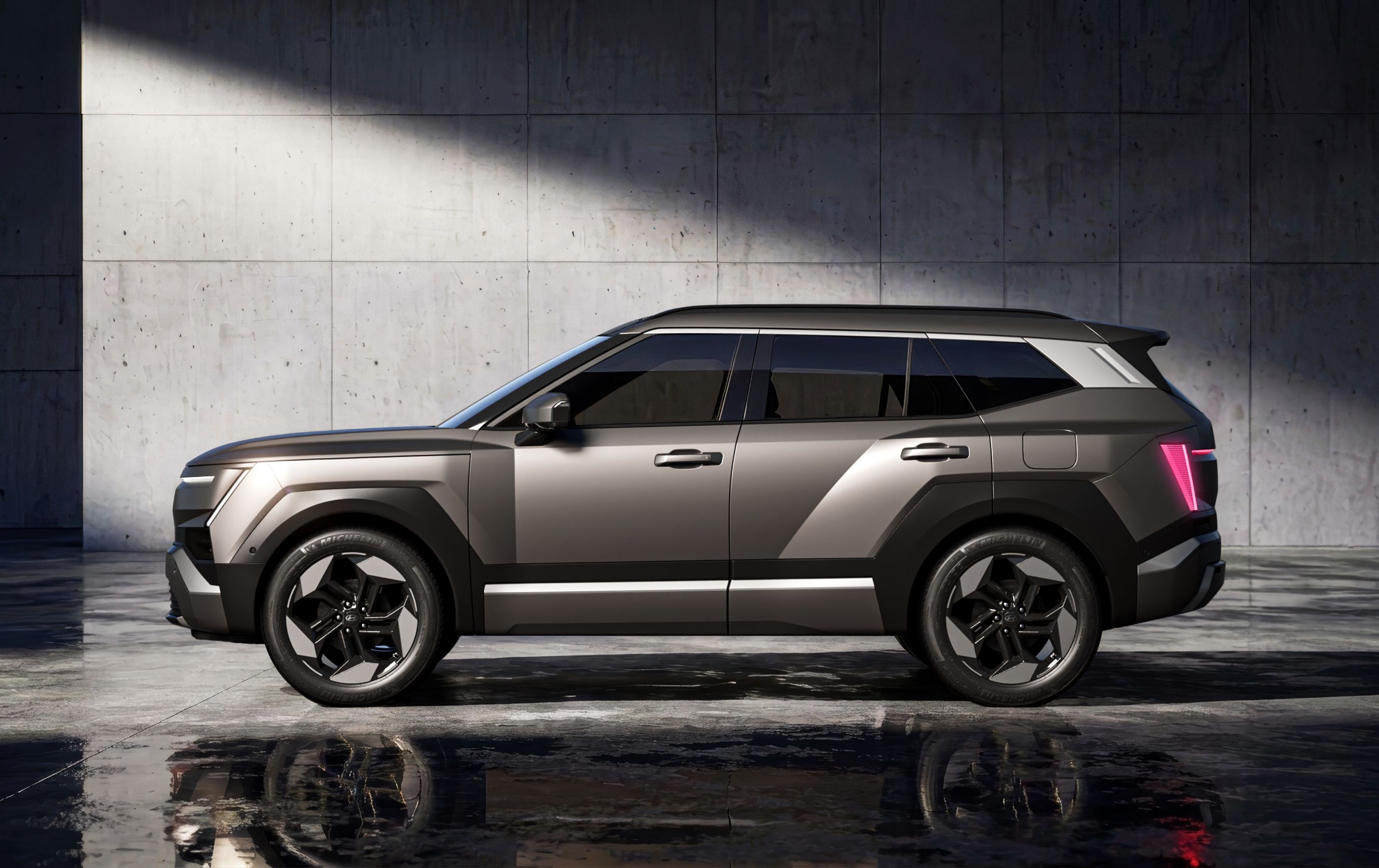
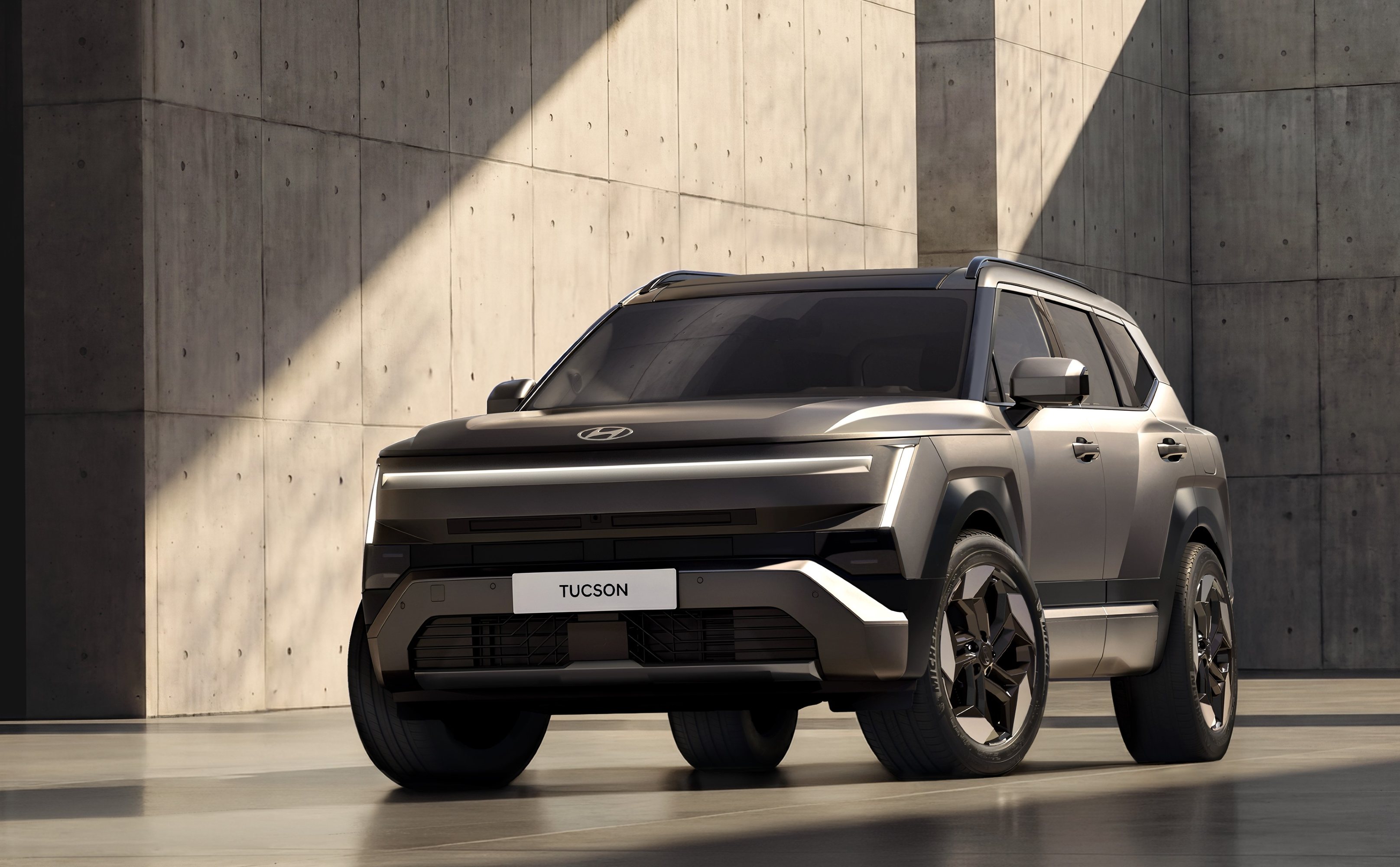
Hyundai said the SUV’s design is meant to offer an appearance of structural strength and commanding road presence.
It features muscular exterior proportions, including pronounced fenders.
It’s also noticeably larger than the outgoing Tucson.
See the proportions below compared to the outgoing model:
- Length – 4,700 mm (up 60 mm)
- Width – 1,905 mm (up 40 mm)
- Height – 1,685 mm (up 20 mm)
- Wheelbase – 2,785 mm (up 30 mm)
The height increases to 1,700 millimetres with the roof rack.
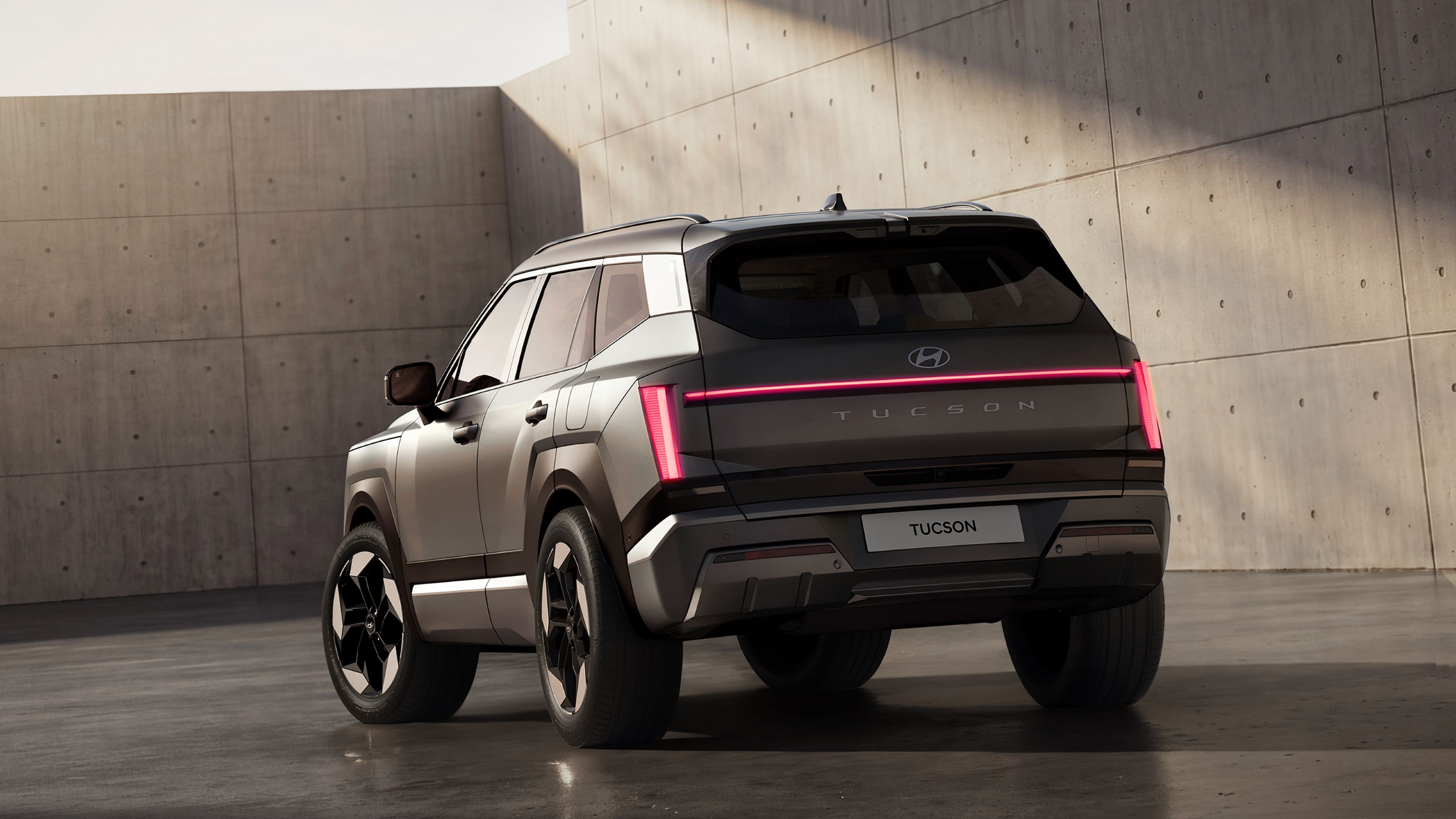
The standard models get 180 millimetres of ground clearance, while the XRT Pro model gets lifted by 30 mm to 210 millimetres.
The doors can also open wider than before, at a maximum opening of 83 degrees compared to 73 on the outgoing model.
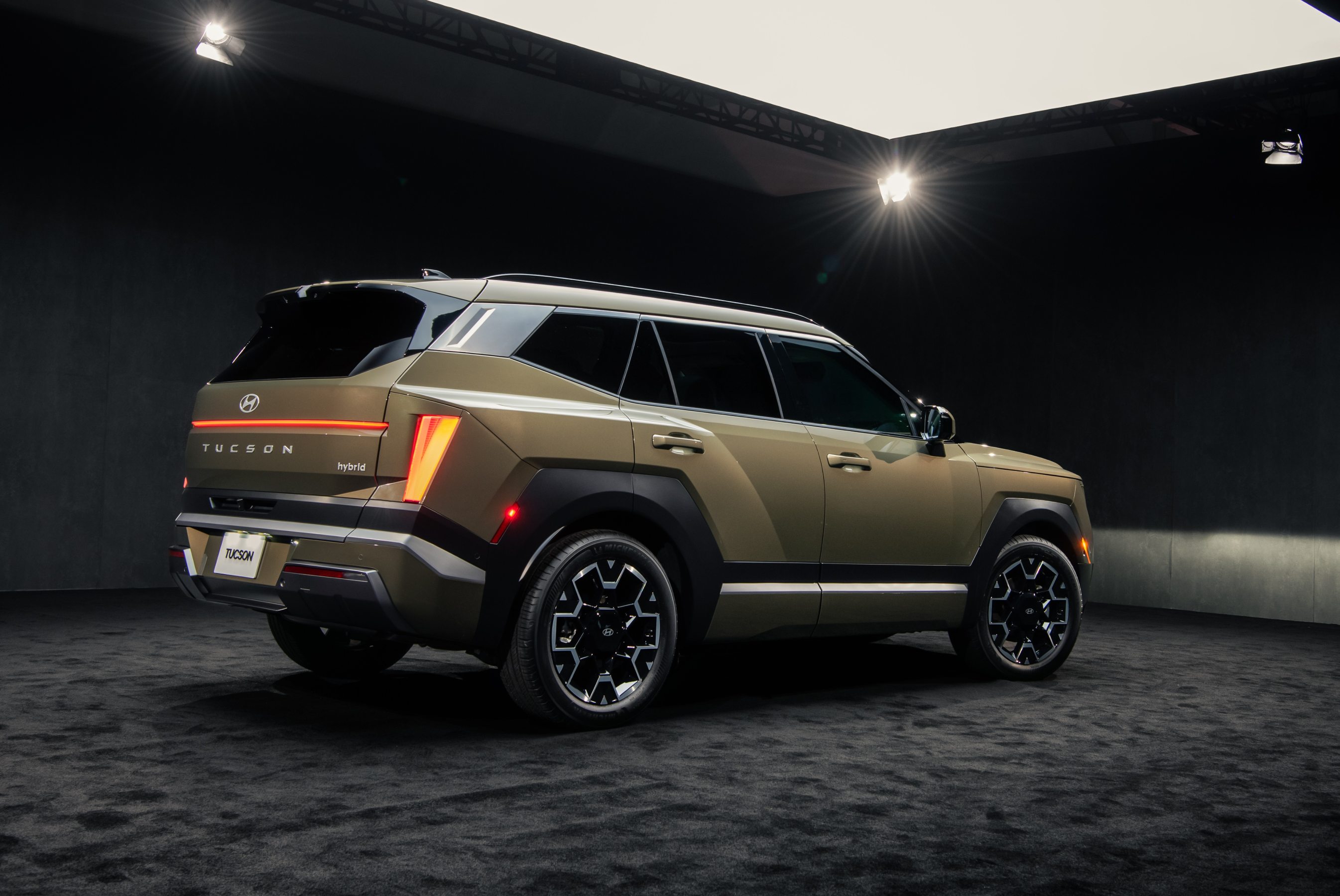
Hyundai is also giving the Tucson unique nature-inspired exterior colours which are intended to complement the SUV’s unique design.
New colours include Range Green pearl/matte, Kodiak Blue pearl, Driftwood Grey metallic/matte, Red Rock Orange pearl/matte.
New lighting signatures
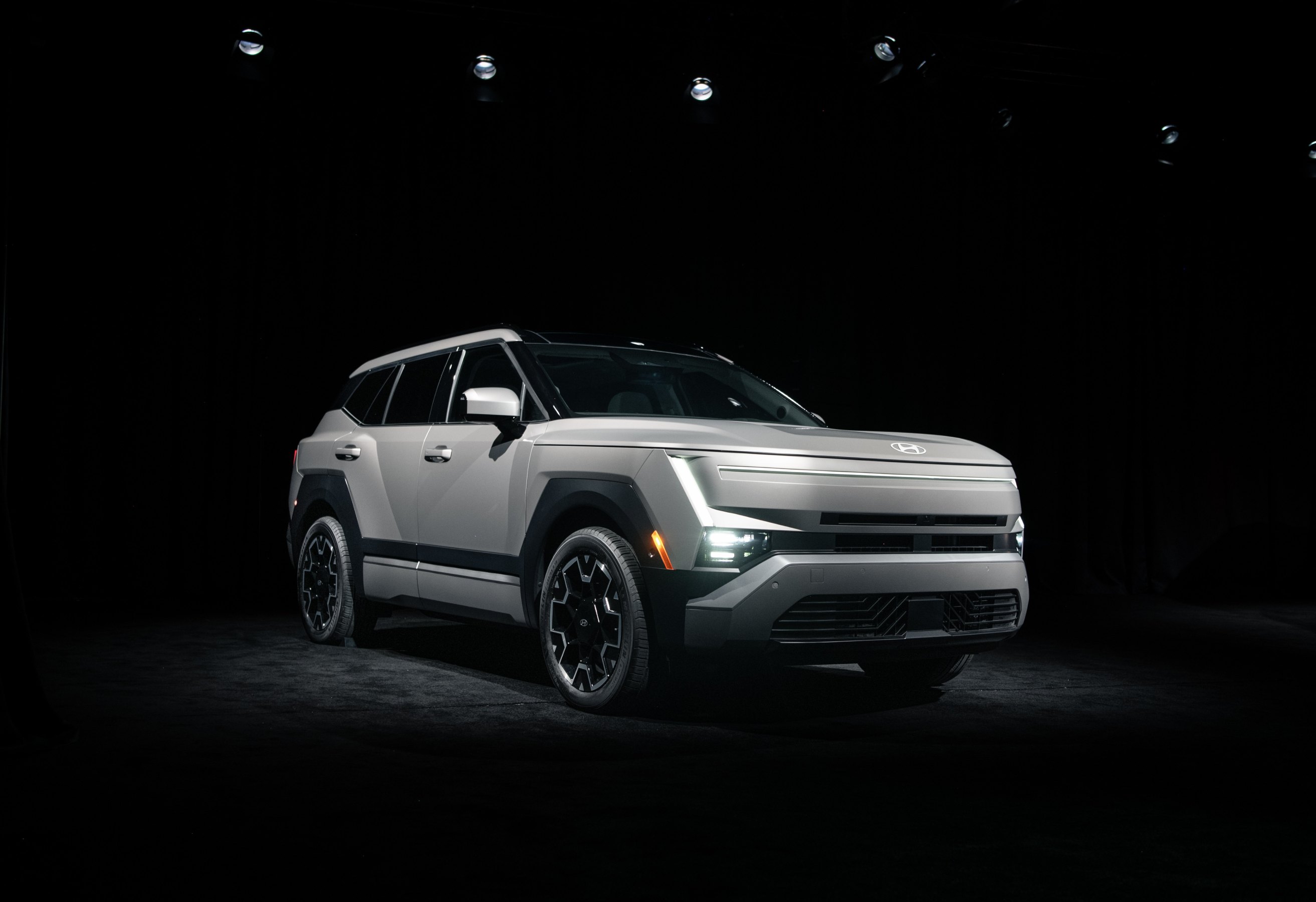
The Tucson features new lighting signatures front and back.
Up front, there’s what Hyundai calls H-Edge lighting, which features an indirect centre light with edge lighting. The front light helps create a wider, stable appearance.
The rear features what Hyundai calls Prism Rear Lamps, which is intended to give an impression that light rests at the edge of a transparent lens.
Micro Pixel Lighting (MPL), which uses 25,600 LED pixels, allows the Tucson to have precise beam patterns, rain guide and dynamic welcome/farewell animations.
ICE, HEV and PHEV powertrain choices
As mentioned above, the all-new Tucson will have three powertrain options globally, including a standard ICE version as well as self-charging hybrid (HEV) and plug-in hybrid (PHEV) versions.
The ICE option features a 1.6-litre gasoline direct injection engine mated with an eight-speed automatic transmission with 184 hp. Hyundai anticipates fuel economy ratings of 8.4 L/100 km for front-wheel-drive models and 9.0 L/100 km for all-wheel-drive models.
The HEV uses a six-speed automatic transmission and adds an electric motor. Power increases to 233 hp. Hyundai estimates fuel economy ratings between 5.6 and 6.2 L/100, depending in trim.
The plug-in hybrid uses a 1.6-litre turbocharged engine paired with a 17.1-kWh battery powering the electrified motor. Total power is 288 hp. The PHEV has an estimated 81-kilometre electric range.
Interior space and comfort
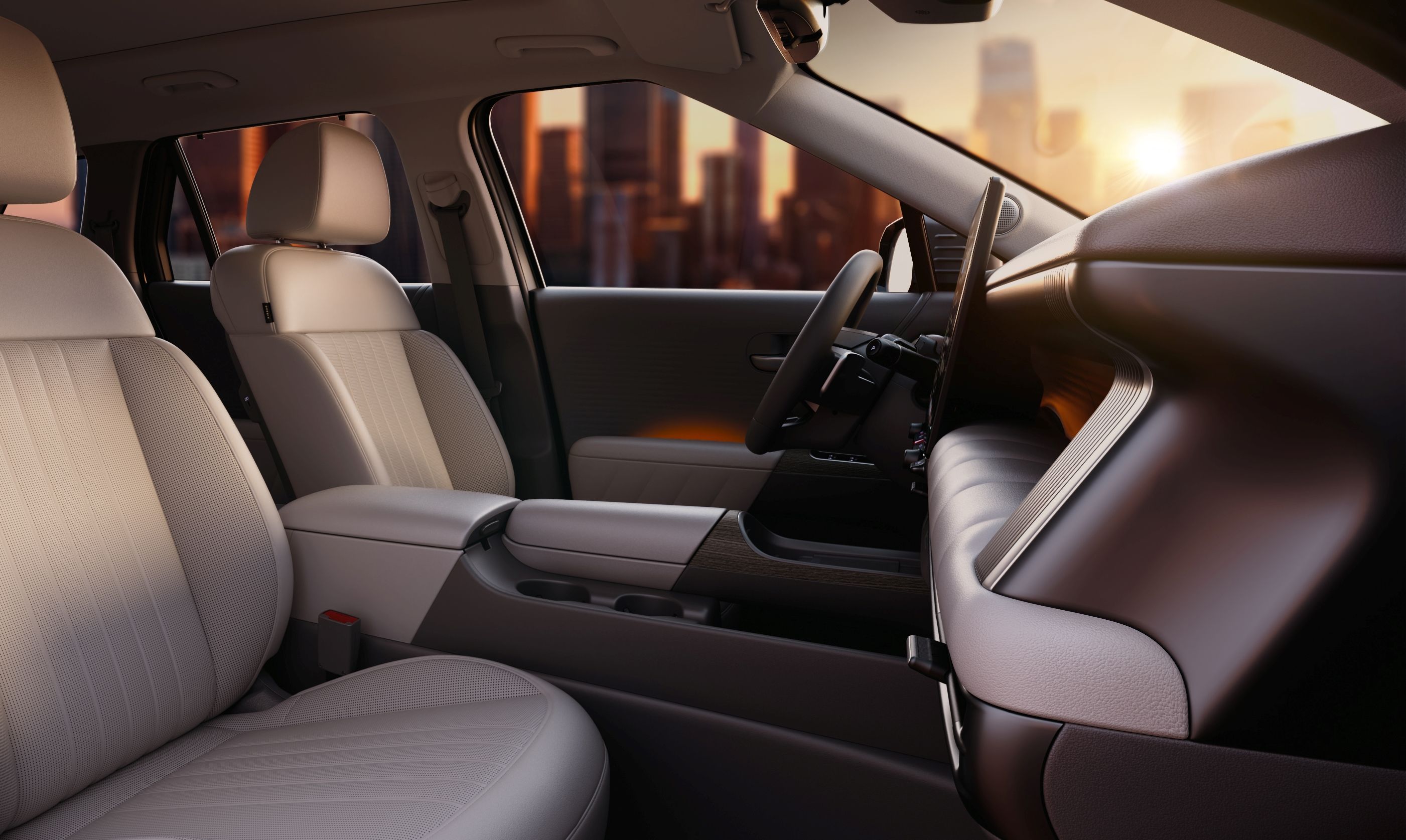
Larger proportions on the outside result in more space on the inside.
Hyundai said the new Tucson has 1,036 mm of front headroom, 1,064 mm of rear legroom and 1,470 mm of front shoulder room for a spacious cabin.
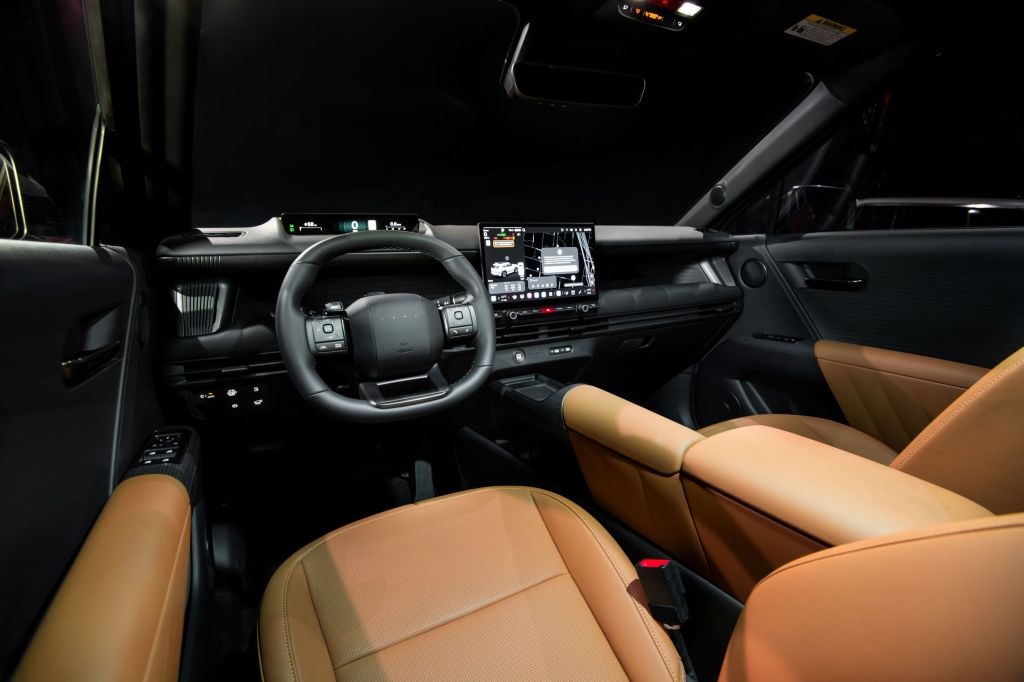
The interior uses a minimalist and purposeful design.
Soft materials are used on the top of the instrument panel, doors and console armrest for a more premium interior.
There’s a 9.9-inch slim display above the steering column.
Tactile buttons are also included for frequently used functions such as the HVAC and audio system.
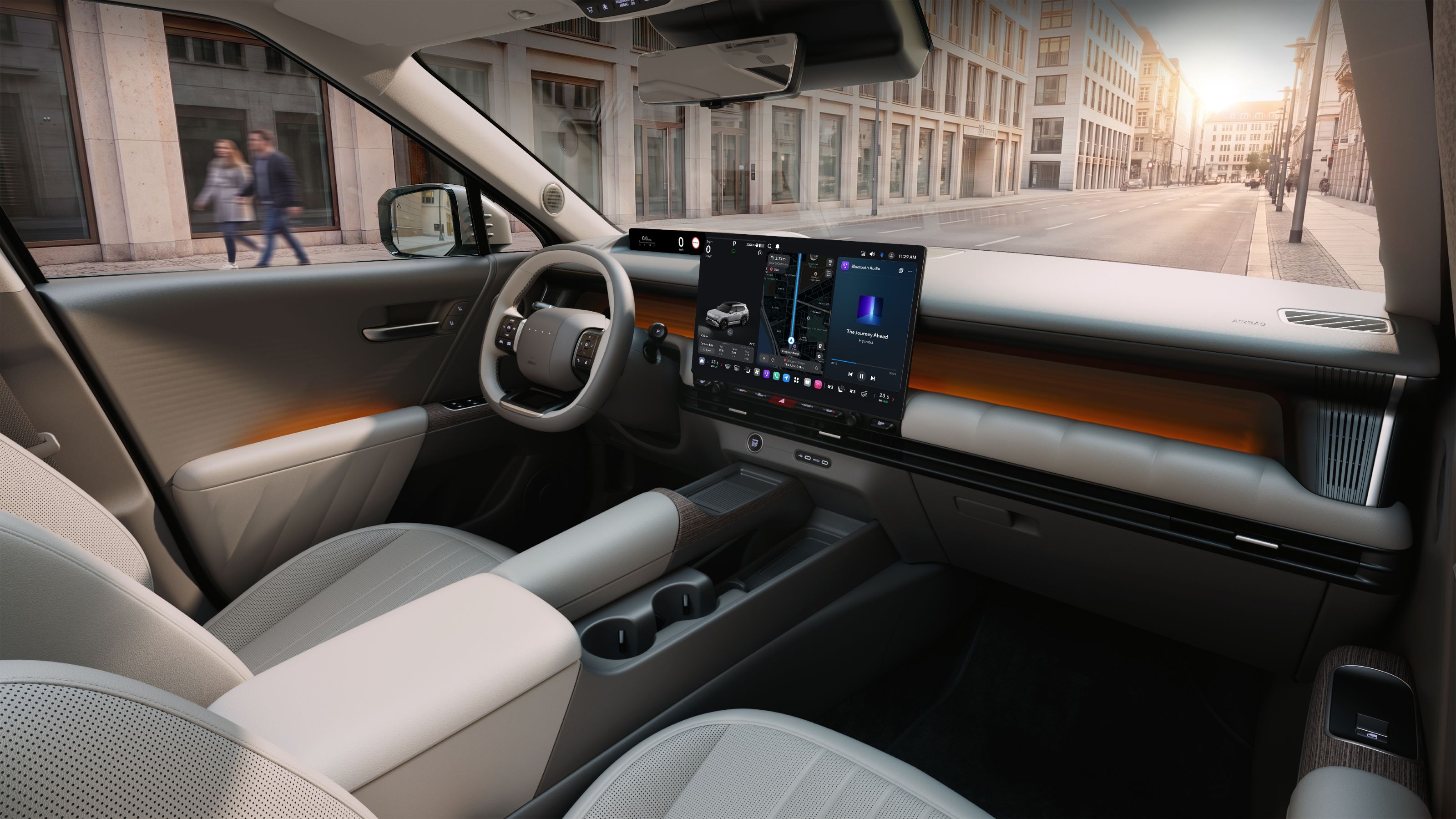
Hyundai extended the console armrest to make using the centre touchscreen less tiring. Dual 15-watt wireless charging pads are also included.
The Tucson has several seating options. There’s an optional Ergo Motion Seat that features a seven-cell pneumatic lumbar and bolster massage system with manual and auto modes. There is also a four-link Relaxation Comfort Seat option that features a one-button recline to 10 degrees.
A multi-air mode system routes climate control air through the main vents, multi-vents and floor-level vents to help minimize uncomfortable direct airflow. An available three-zone HVAC system allows the front and rear occupants choose their own climate settings.
Drivers who hate Canadian winters will likely enjoy the available 13.5V metal-coated heated glass, which offers a 15-minute full de-icing capability. In summer, the glass also helps keep the cabin 2 degrees cooler, which improves air conditioning efficiency.
XRT and XRT Pro models
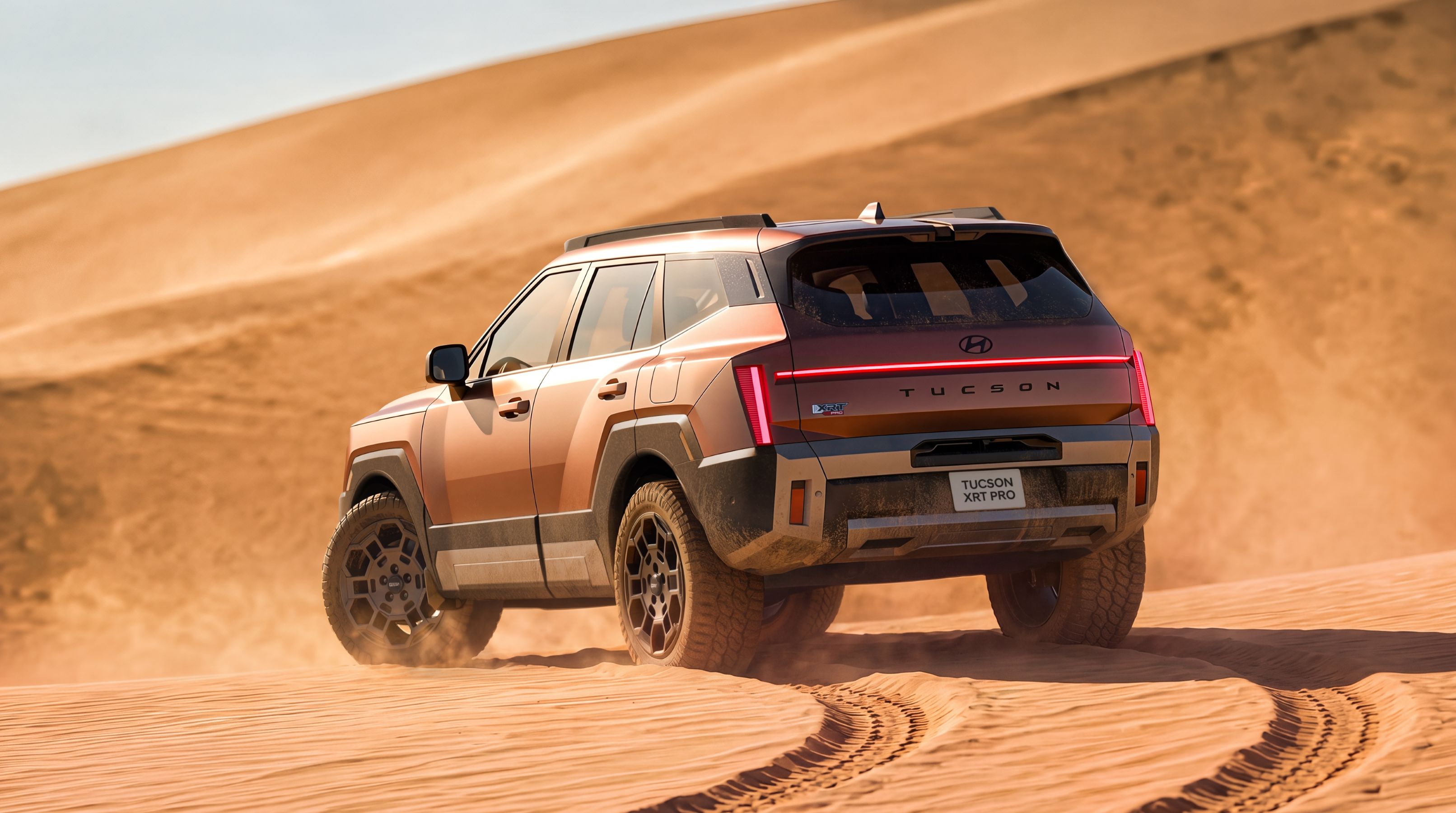
North Americans will also have access to the rugged XRT and XRT Pro models.
The XRT adds a rugged details such as bold bumper and skid-plate designs, extended black wheel-arch cladding and other elements.
The XRT Pro takes this up a notch, literally, as this model is lifted by 30 millimetres to a ground clearance of 210 millimetres.
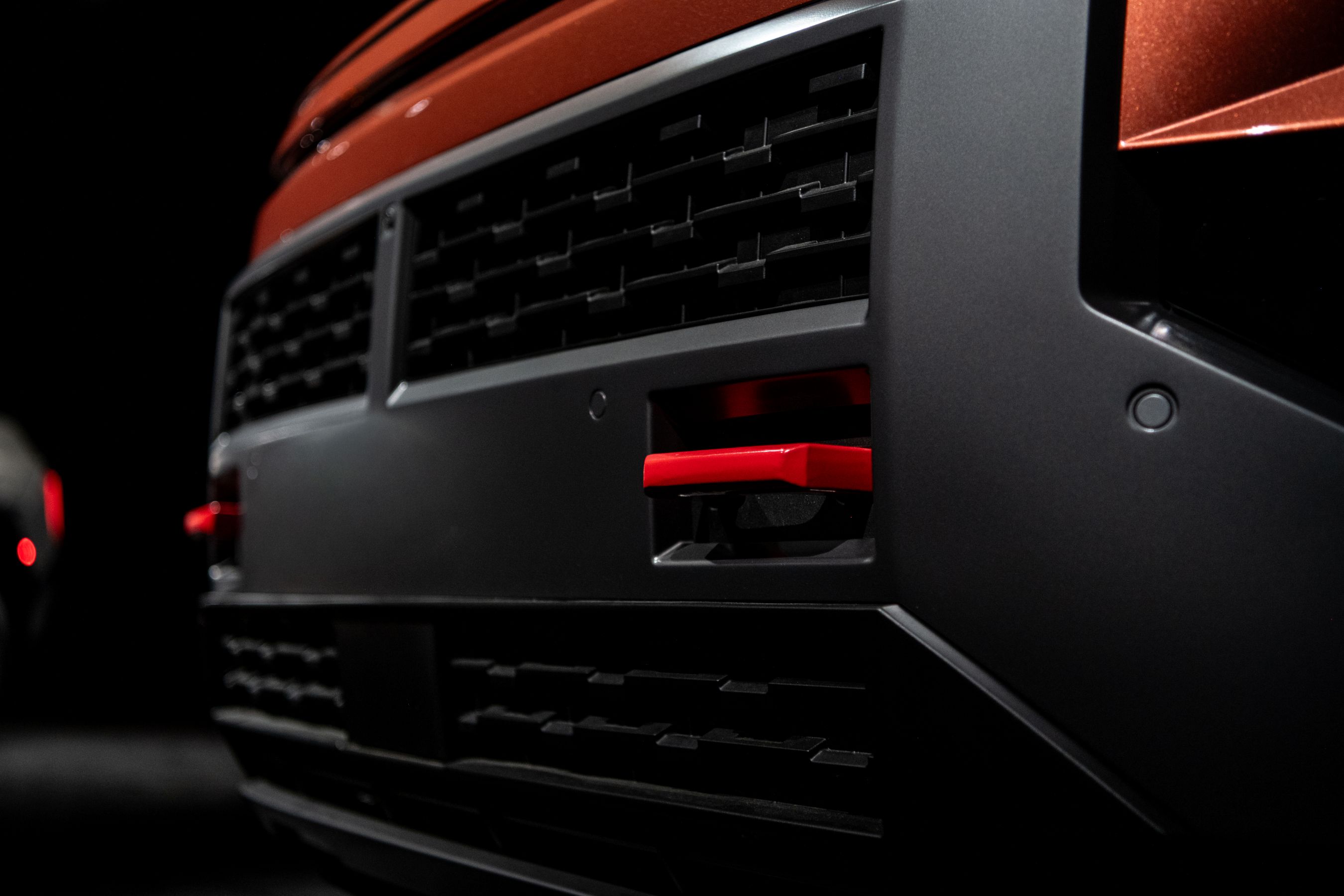
This model also has all-wheel drive and all-terrain tires and more aggressive approach and departure angles, front recovery hooks, expanded cladding and more.
Hyundai also plans to launch a new sport-inspired variant. This one will be revealed on Oct. 12 at the 2026 Paris Motor Show.
Canadian availability
The all-new Tucson is launching in Korea later this year. North America, Europe and other markets will get it in 2027.
A Canadian price wasn’t provided.
For more information, visit the Hyundai Canada website.




Leave a comment