
Automobili Lamborghini has been building fast cars ever since Ferruccio Lamborghini launched the Italian supercar brand more than 60 years ago in 1963.
But some Lamborghinis are faster than others. This is particularly true for Lamborghini cars wearing the SV badge.
The SV designation stands for “Super Veloce,” which is Italian for “super fast.”
Cars wearing the SV badge enhance vehicles in Lamborghini’s lineup by receiving more power, getting their weight reduced and having their overall driving dynamics and capability enhanced. They’re also sold in limited numbers.
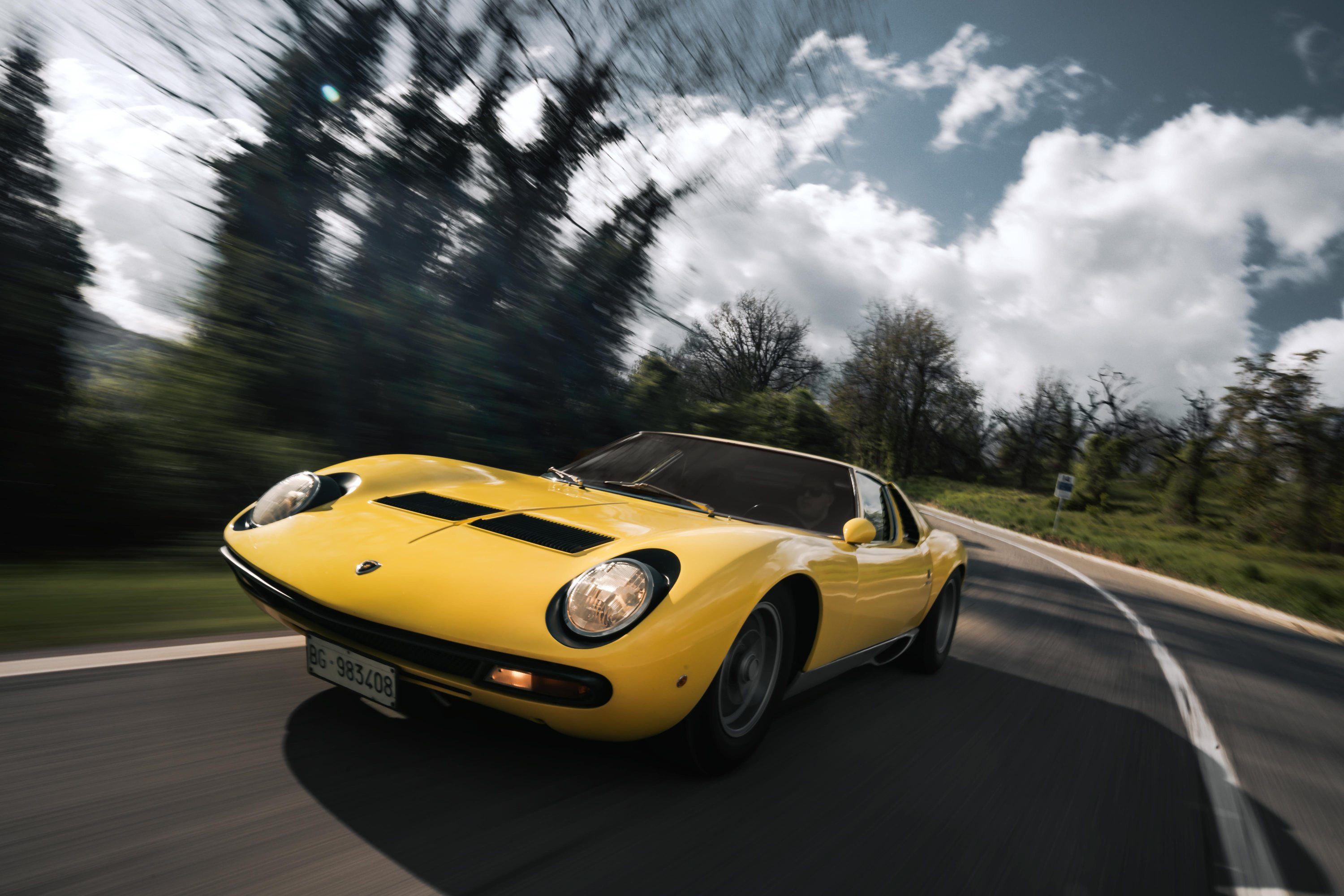
The first vehicle to wear the SV badge launched 55 years ago. It was the 1971 Miura SV.
We’ll go over each of the Super Veloce models one by one below. They include the Miura SV, Diablo SV, Murciélago SV, Aventador SV and the recently launched Revuelto SV.
Miura SV
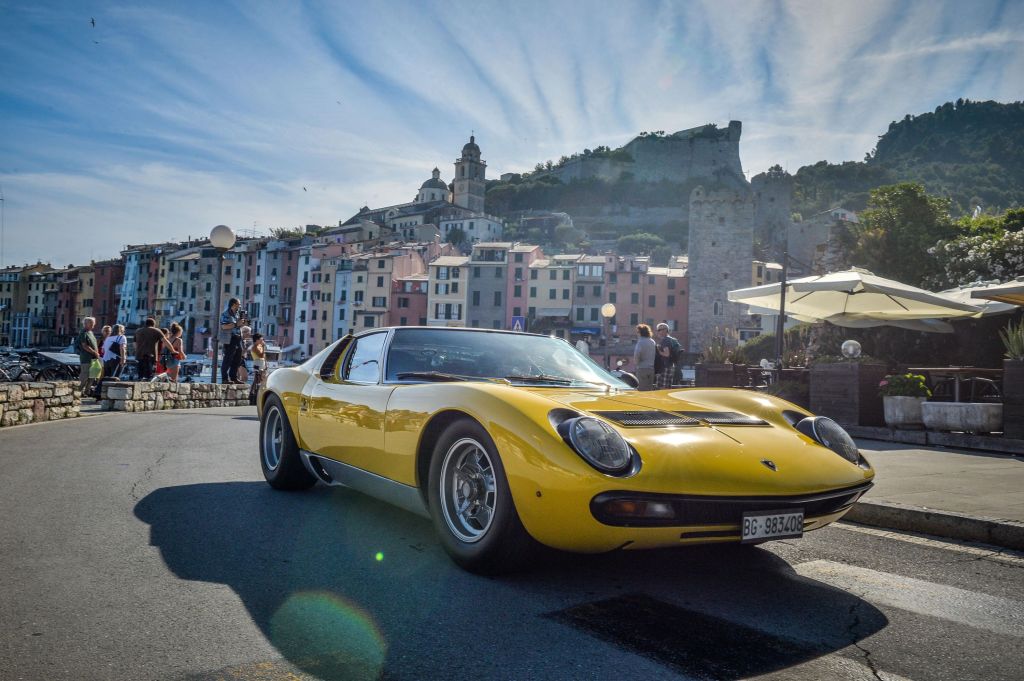
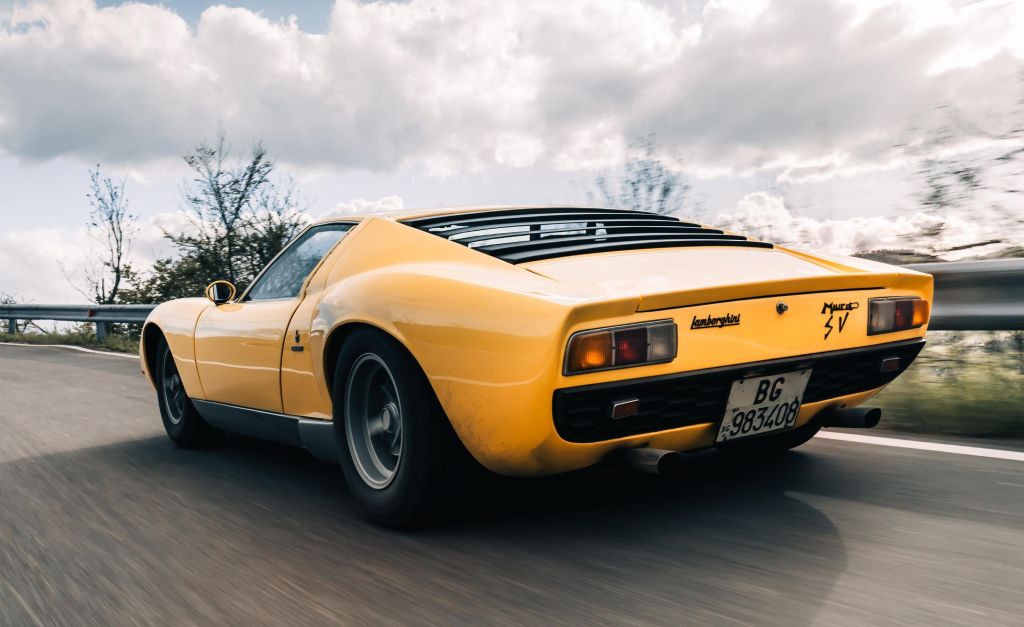
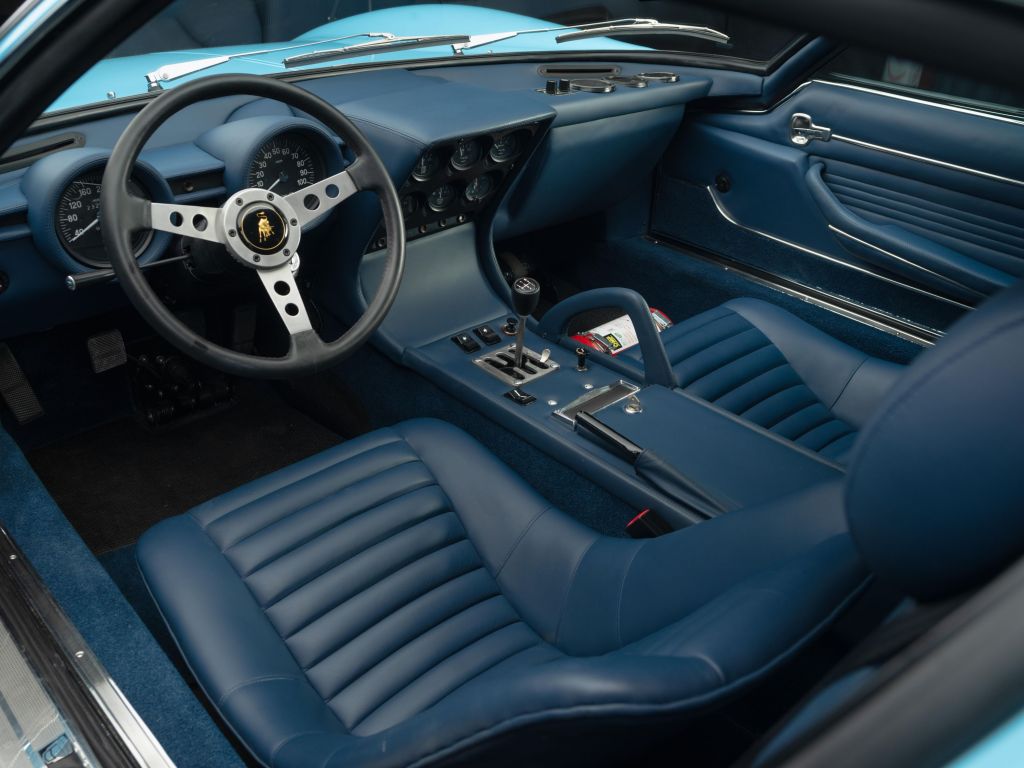
The Miura SV took what is considered the world’s first mid-engine supercar, the Miura, and gave it a few enhancements.
The car’s 4-litre V12 engine’s power was increased to 385 hp from the standard car’s 350 hp. This gave the Miura SV a zero to 100 km/h sprint time of about 5.5 seconds and a top speed of more than 280 km/h.
Lamborghini produced just 150 customer Miura SV cars.
Diablo SV
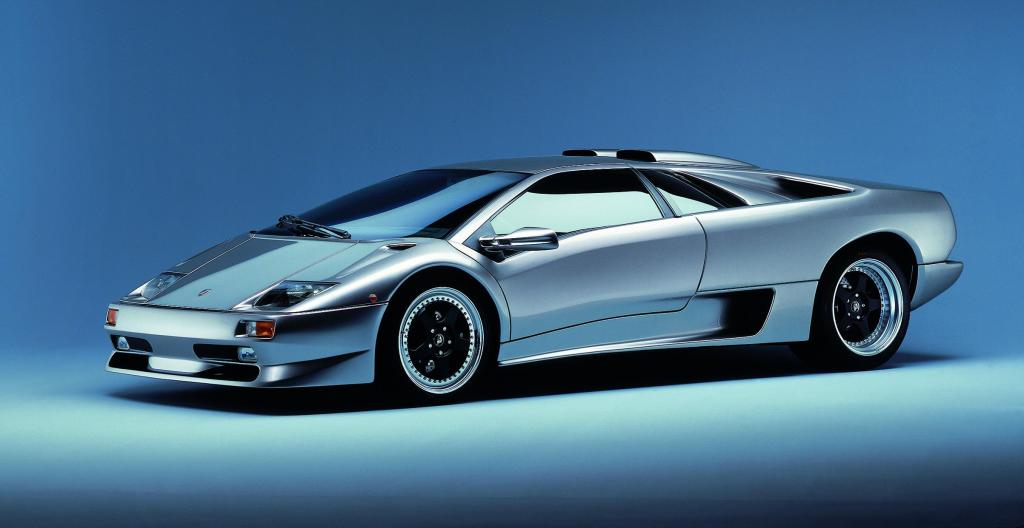
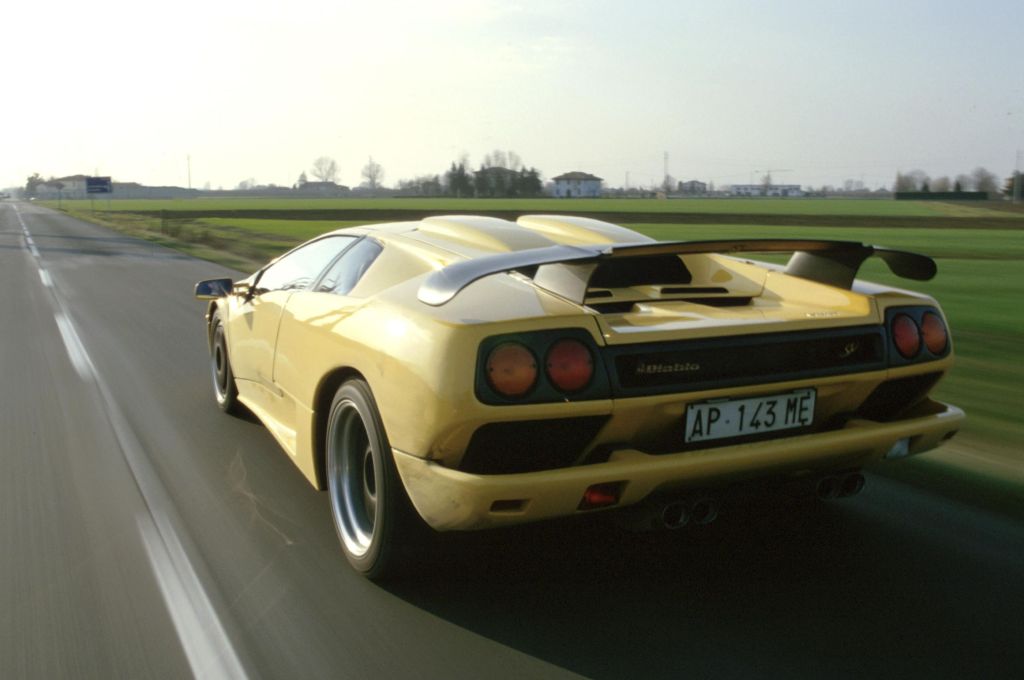
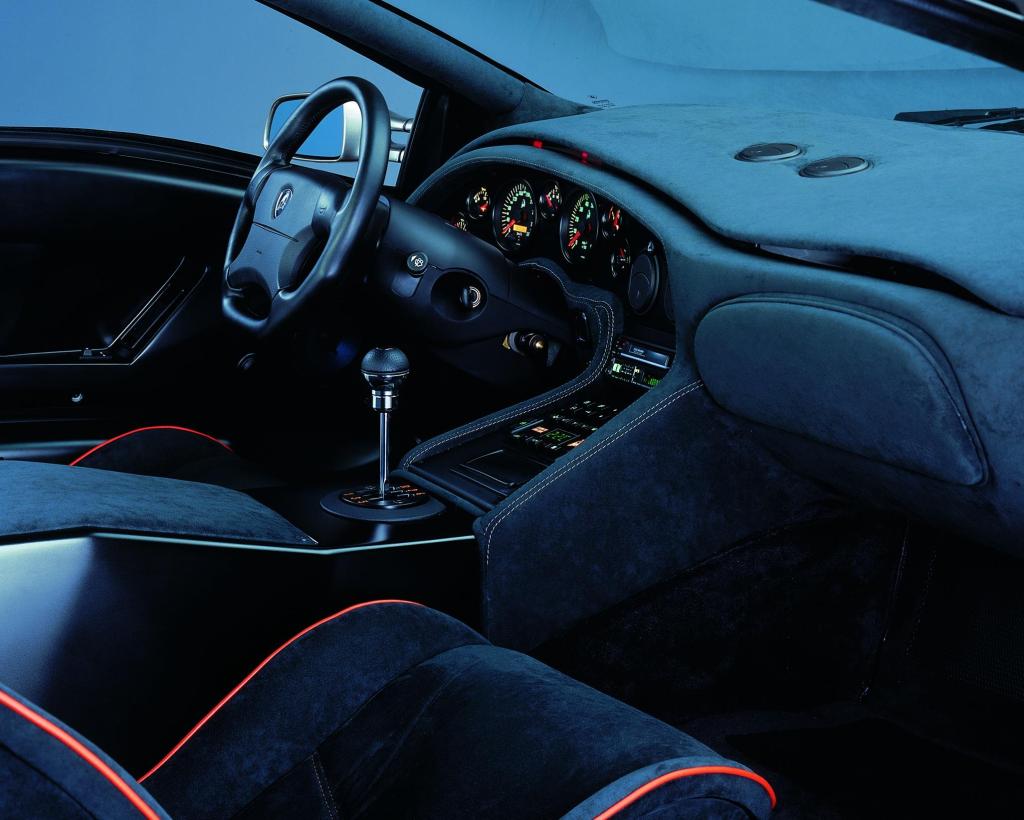
Lamborghini’s second Super Veloce model launched more than two decades after the first, when the automaker introduced the Diablo SV in 1995.
The Diablo SV was 40 kilograms lighter than the original, received enhanced aerodynamics, including larger air intakes, and had an optimized suspension system, brakes, and rear-wheel drivetrain.
The car’s 5.7-litre V12 engine saw its power output increase to 510 hp, up from the original Diablo’s 485 hp. This gave the Diablo SV a zero to 100 km/h sprint time of around 4.5 seconds.
Lamborghini reportedly produced 346 Diablo SV cars, consisting mostly of coupes and a handful of roadsters.
Murciélago LP 670-4 SV
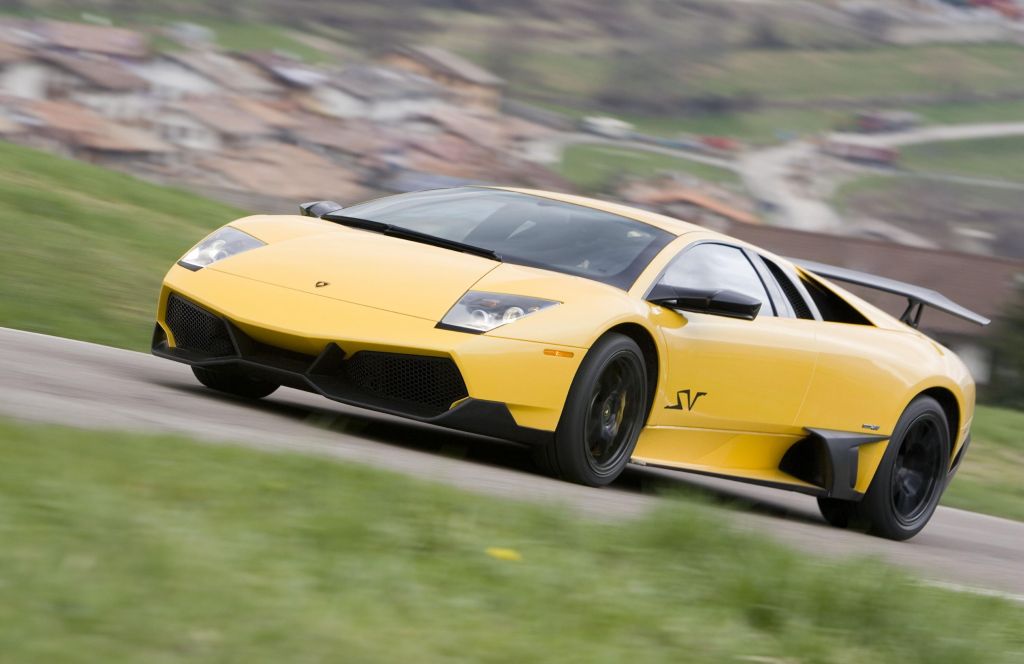
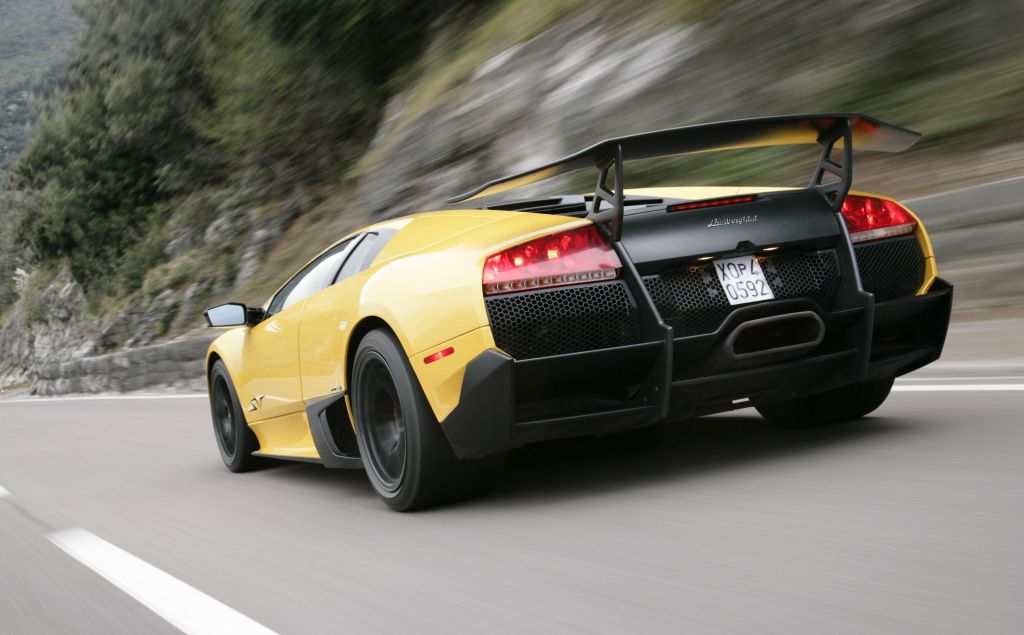
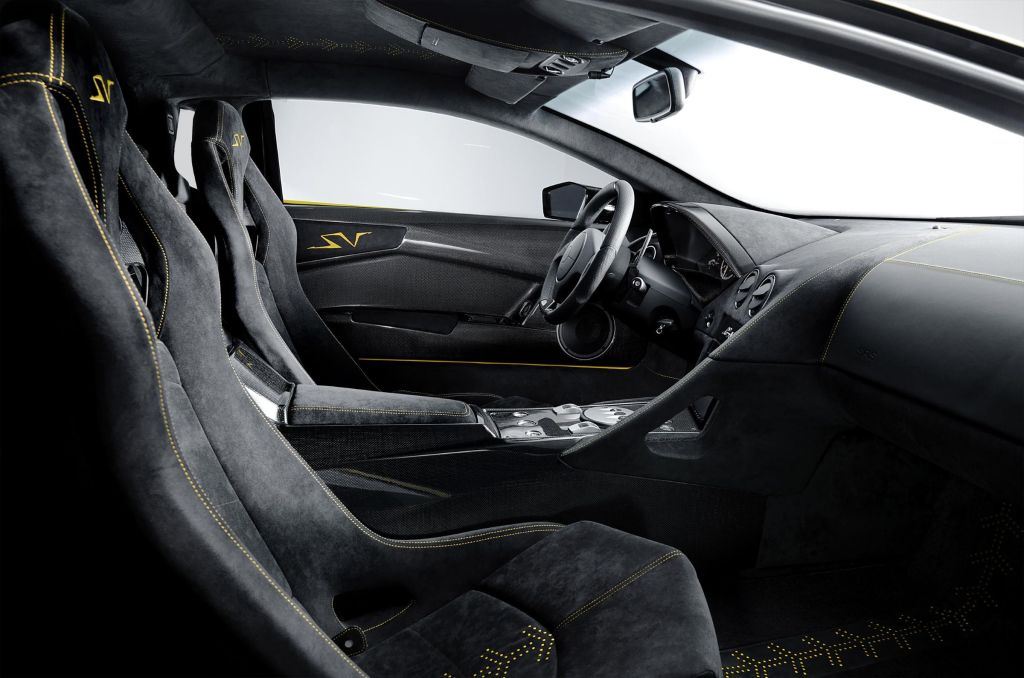
The next Super Veloce model arrived in 2009 when Lamborghini was stuffing as much information about the car as possible into its name. In the case of the Murciélago SV that included the LP, which stands for “Longitudinale Posteriore,” which refers to the engine being mounted longitudinally, front to back along the length of the car, and in the posterior, meaning in the rear/mid-rear of the car. The 670 refers to the power figure in metric horsepower and the 4 refers to the car having all-wheel drive.
The Murciélago LP 670-4 SV was powered by a 6.5-litre V12 producing 670 hp, which gave it a zero to 100 km/h acceleration time of about 3.2 seconds.
The SV was also about 100 kilograms lighter than the original Murciélago and had enhanced aerodynamics thanks to features such as a rear spoiler and front splitter.
Lamborghini said the car was rigorously tuned for the race track. It was also the first Super Veloce model with all-wheel drive.
Lamborghini produced 350 coupes and 50 roadsters of the Murciélago SV.
Aventador SV
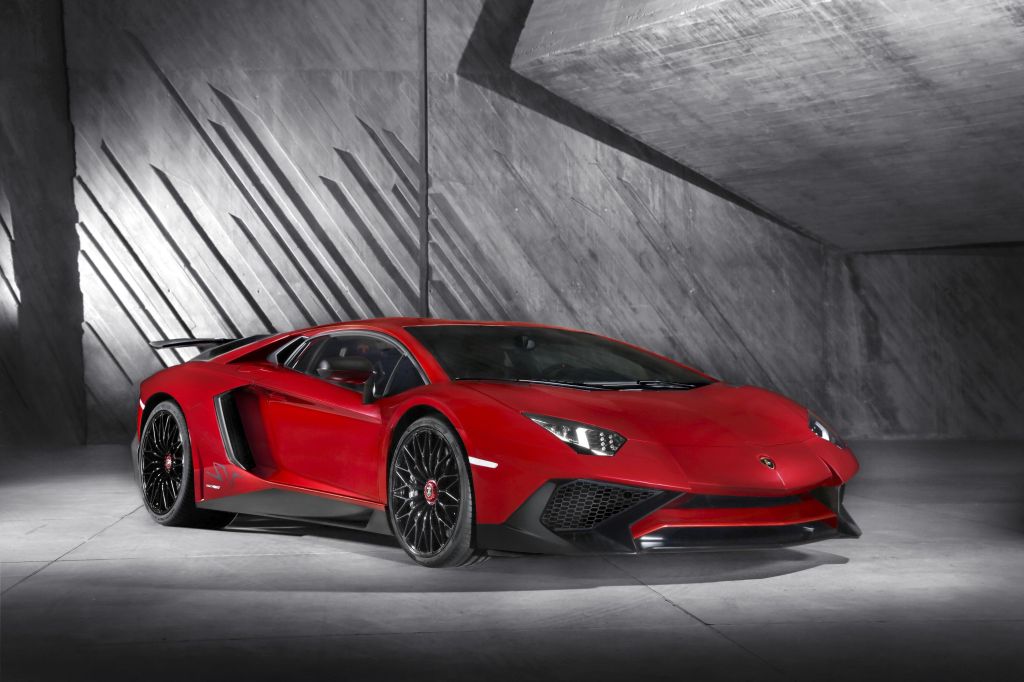
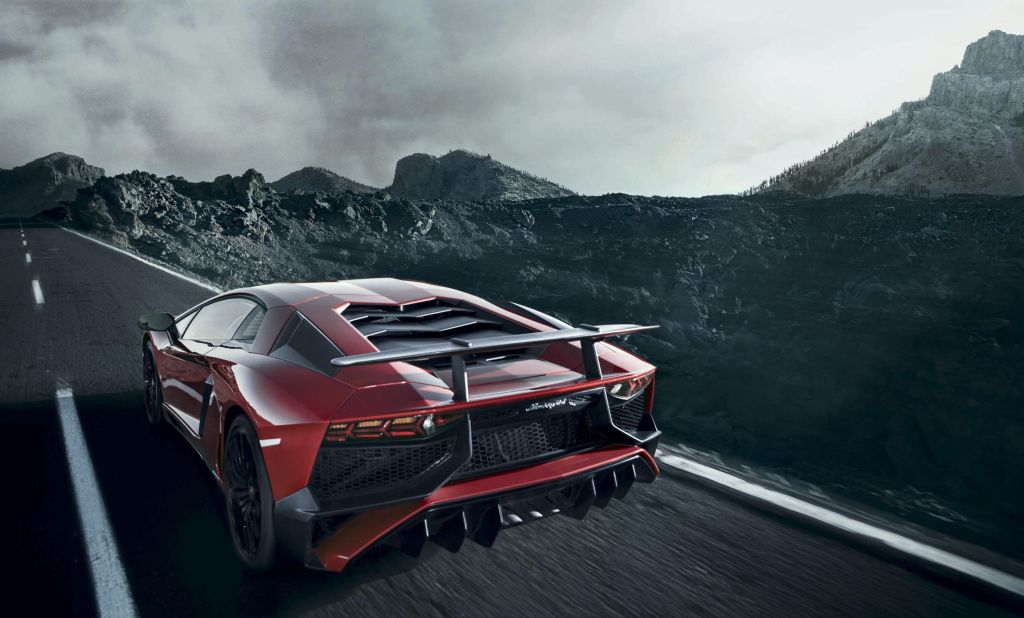
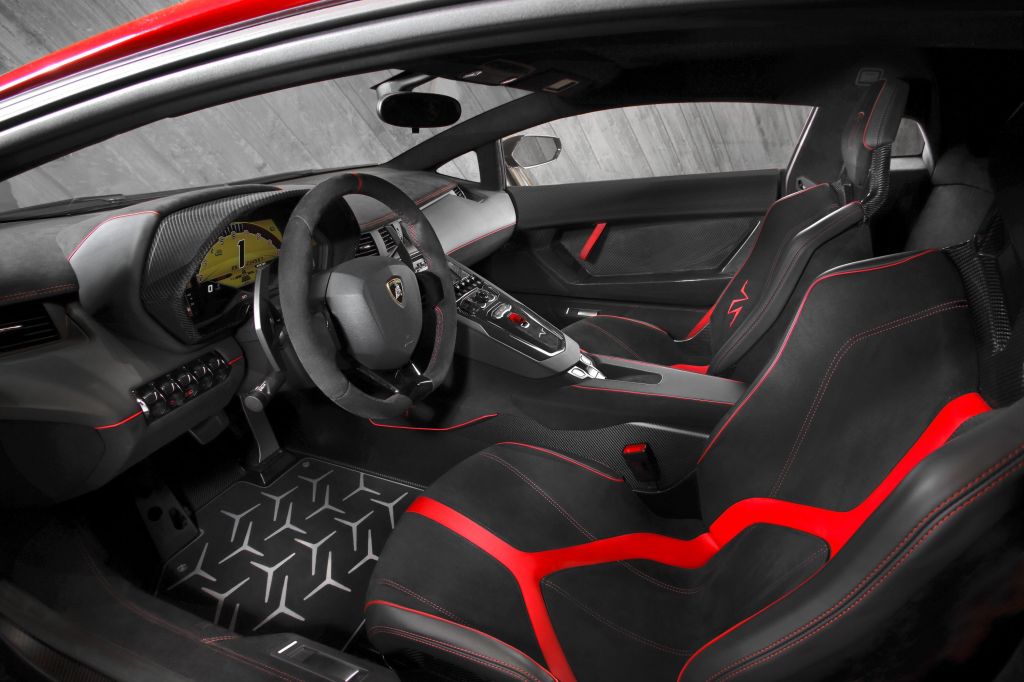
Supercar aficionados didn’t have to wait long for Lamborghini to produce its next Super Veloce model as the Aventador SV arrived in 2015, just a few years after the Murciélago SV.
The Aventador SV’s 6.5-litre V12 engine produced 750 hp, an increase of 50 hp compared to the standard Aventador. This gave the car a zero to 100 km/h sprint time of 2.8 seconds.
Lamborghini said everything was designed to maximum precision. This included a lighter carbon-fibre body and enhanced aerodynamics.
The car was sold in greater numbers than its predecessors as Lamborghini produced 600 Aventador SV cars.
Revuelto SV
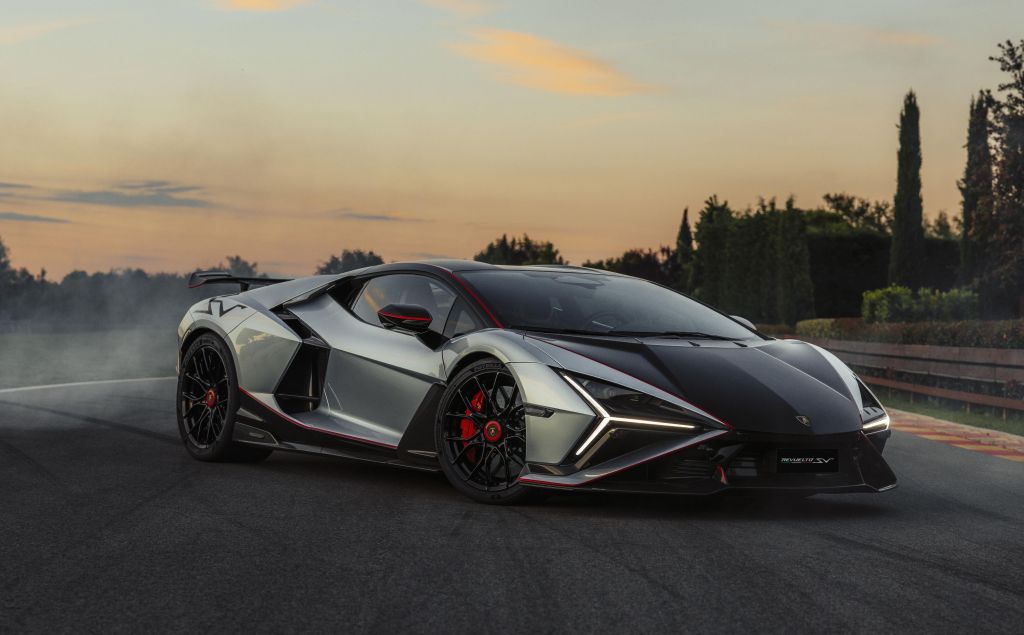
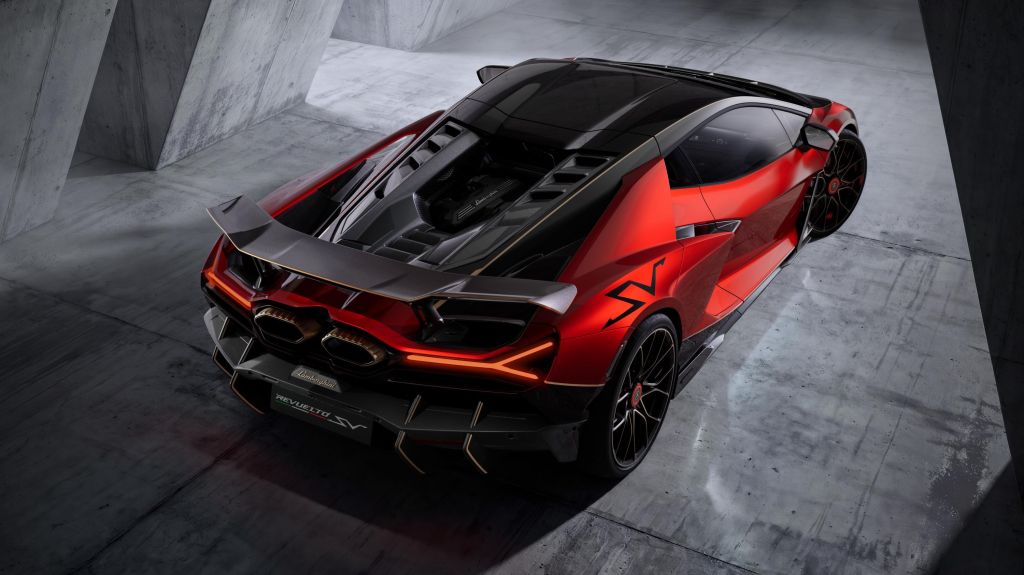
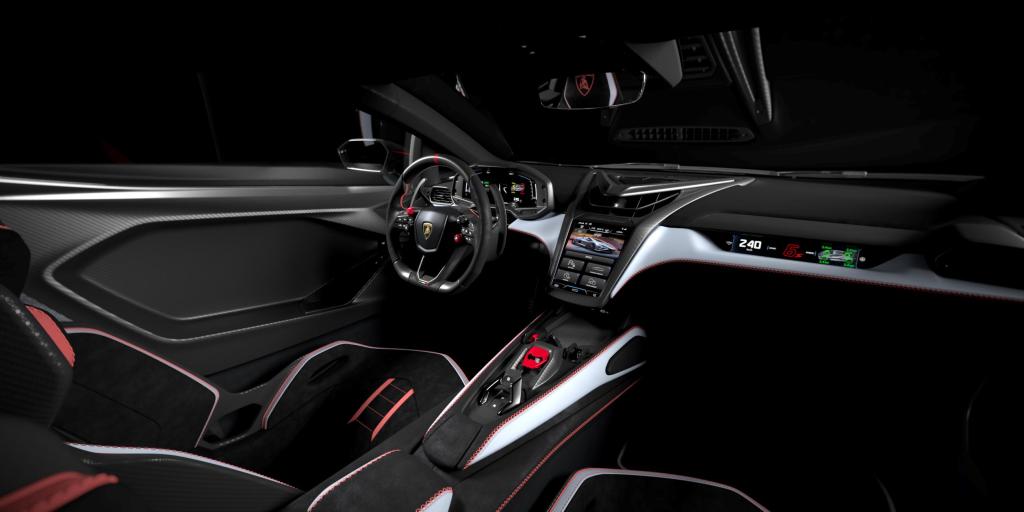
The latest Super Veloce model, the Revuelto SV, has just been revealed in August 2026.
It’s the first SV model powered by a hybrid powertrain, which pairs a 6.5-litre V12 engine and three electric motors for a total output of 1,065 hp, an increase of 50 horses over the standard car. Zero to 100 km/h is said to arrive in 2.4 seconds.
The car also has enhanced aerodynamics, lightweight engineering, a newly developed suspension and next-generation braking technology. Additionally, a Pilota driving mode creates a more focused driving experience.
Lamborghini is limiting the Revuelto SV’s production to 1,963 cars, the number being a tribute to the year Automobili Lamborghini was founded.
More information about the Revuelto SV is available on the Lamborghini website.
NOTE TO READERS: The above horsepower figures are based on the Euro-observed metric horsepower, which would be listed slightly lower here in North America. For example, the Revuelto SV’s 1,065 hp works out to 1,050 hp by our North American ratings.




Leave a Reply