
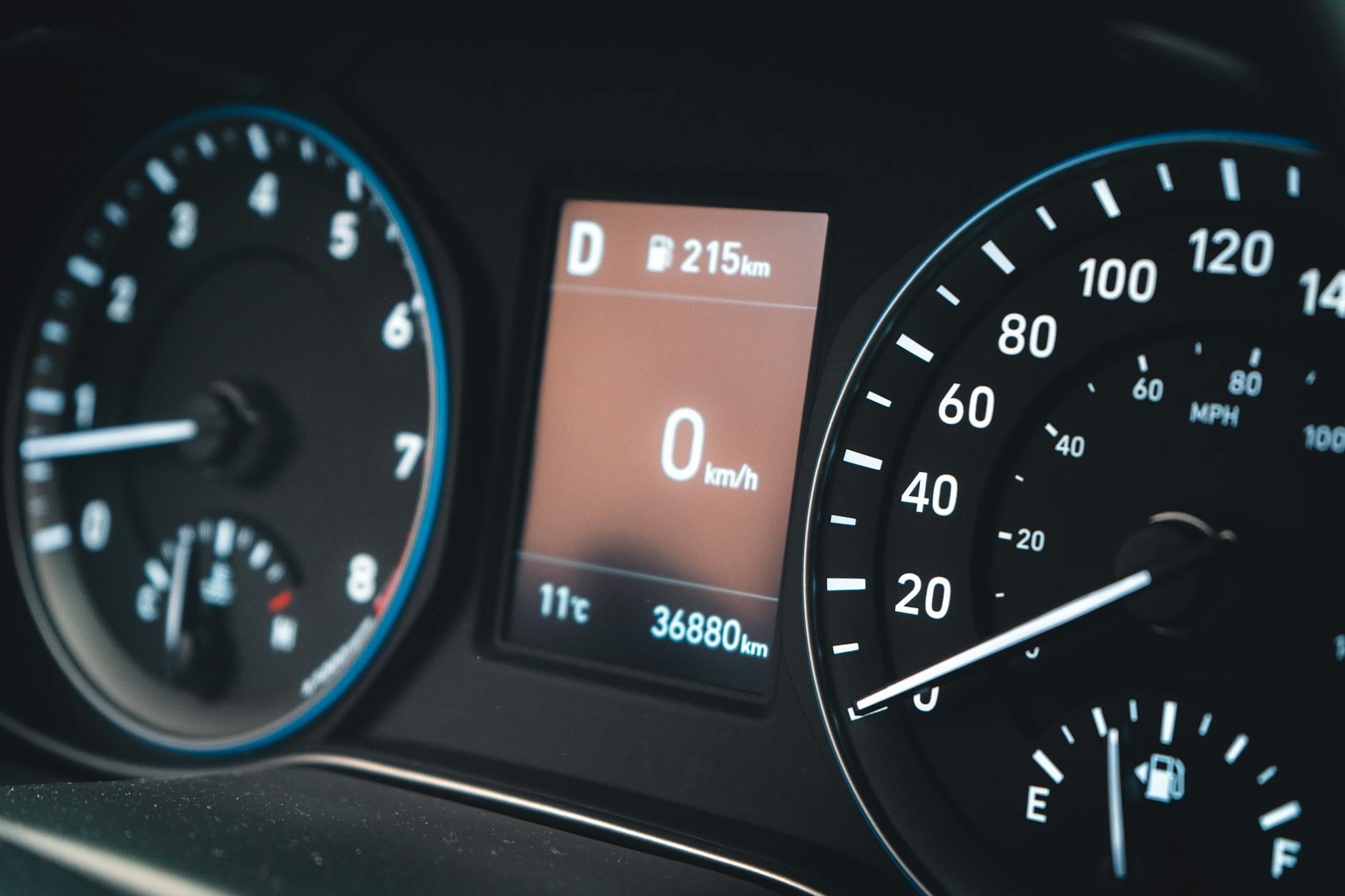
Odometer tampering is a growing problem in Canada, a new report says.
CARFAX Canada and the Ontario Motor Vehicle Industry Council are alerting used car buyers after CARFAX Canada identified 20,642 vehicles with rolled back odometers in 2025.
Odometer rollback is when a vehicle’s mileage reading is illegally reduced to increase the vehicle’s value.
“A rolled back odometer can leave buyers paying more than a vehicle is truly worth, mask the normal wear and tear that occurs with higher mileage vehicles, and ultimately hide important information about a vehicle’s true condition,” said Shawn Vording, president of CARFAX Canada, in a news release.
“With many Canadians in the market for used vehicles right now, buyers can take extra precautions like reviewing a CARFAX Canada Vehicle History Report and having the vehicle inspected by a licensed mechanic to buy with more confidence.”
Jeff Donnelly, chief consumer protection officer at OMVIC, called odometer tampering a growing concern and one OMVIC officials are finding more frequently in their investigations.
How not to buy a car with rolled back odometer
The two organizations say used vehicle buyers can review the pattern of odometer readings in a CARFAX Canada vehicle history report to look for discrepancies, and should get the inspected by a licensed mechanic, who could identify signs of tampering and look for signs the vehicle’s wear and tear don’t match the mileage.
Advice to not be scammed
CARFAX Canada and OMVIC offer other advice for used vehicle buyers to help them avoid being scammed.
Advice includes:
- Consider buying from a dealer registered with OMVIC or a consumer protection agency in your province as they must follow legal and ethical practices. Use OMVIC’s dealer search tool to confirm the seller is registered.
- Beware of illegal, unregistered individuals (curbsiders) who sell cars illegally and might misrepresent the real condition of the car, turn back the odometer or hide major issues.
- Be cautious if the transaction makes you feel uneasy: Illegal sellers and scammers often use high-pressure tactics to rush decisions.
- If buying privately, take extra precautions to verify the owner of the vehicle: Ensure that the seller’s identity matches the vehicle’s registration documents.
- If the deal seems too good to be true, do your research and trust your gut.
- If possible, bring a friend or family member; they may notice something you don’t.
- Inspect the vehicle in person, always get a licensed mechanic to inspect the vehicle, and take it for a proper test drive.
- Do not leave a deposit or pay in full for the vehicle using suspicious links or apps.
- Check all paperwork and obtain a CARFAX Canada Vehicle History Report and VIN Fraud Check. This helps verify that the vehicle’s history matches with what the seller advertises.
- When in doubt, walk away.
Common scams to watch for
CARFAX Canada and OMVIC say the following used car scams are common in Canada:
- VIN cloning or re-VINning – where a VIN is illegally cloned or copied to hide a vehicle’s identity
- Undisclosed history – Such scams could included hidden accidents or damage, undisclosed salvage or rebuilt branding or title washing, and undisclosed liens
More information is available through the OMVIC and CARFAX Canada websites.






Leave a comment