
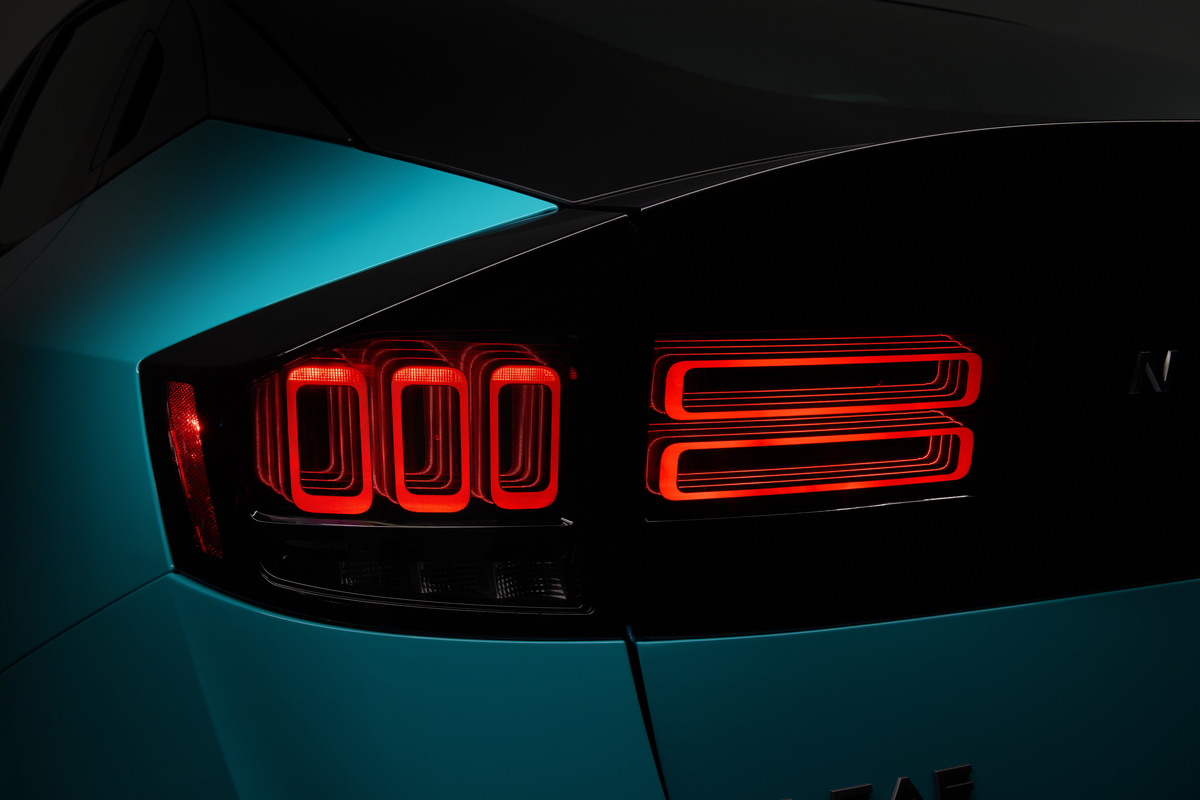
We’re coming to a time when electric vehicle buyers won’t have to choose between something expensive or something with mediocre range.
Low-cost EVs with decent range will soon be aplenty in Canada and we highlight eight such models that we can expect to go on sale here before the end of this year or sometime in 2026.
Low cost is a relative term. We can still expect these to cost more than similar vehicles with gasoline-burning engines, but they should ease the cost of entry for anyone who wants to go electric but has felt priced out ’til now.
Chevrolet Bolt
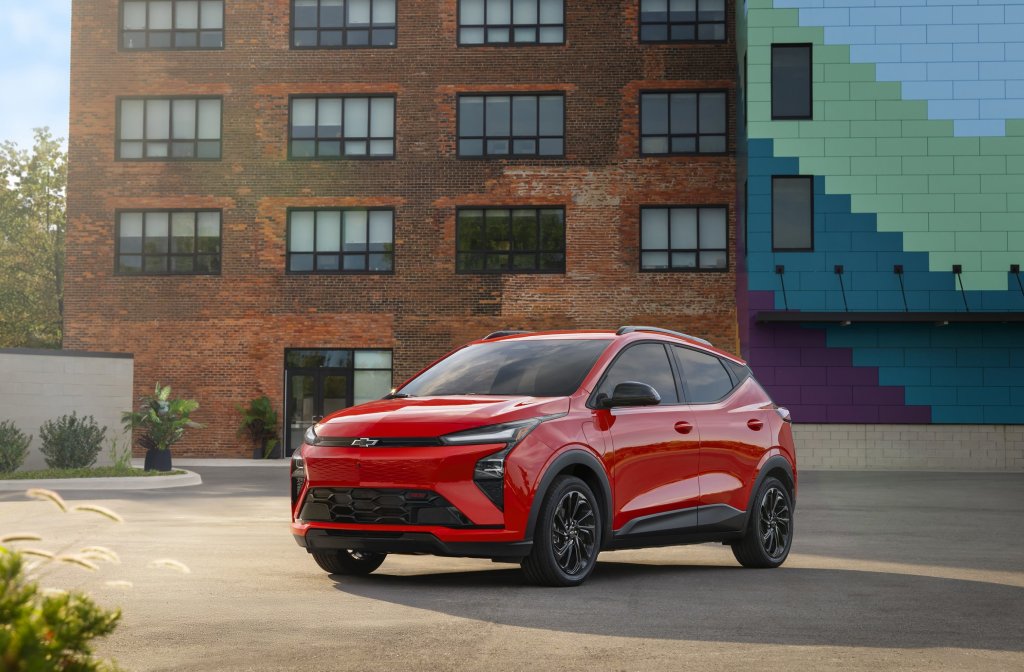
General Motors has unveiled the upcoming Chevrolet Bolt, which has a similar outward appearance to the old one, but new drive technology, with more power, range and faster charging.
A NACS port is now standard, that’s the same kind that is used at Tesla Superchargers.
The second-gen Bolt is launching for the 2027 model year, and it will be available in Canada in early 2026.
The starting MSRP is $39,999 in Canada. With fees and levies, that brings the subcompact EV to a starting price of around $43,470.

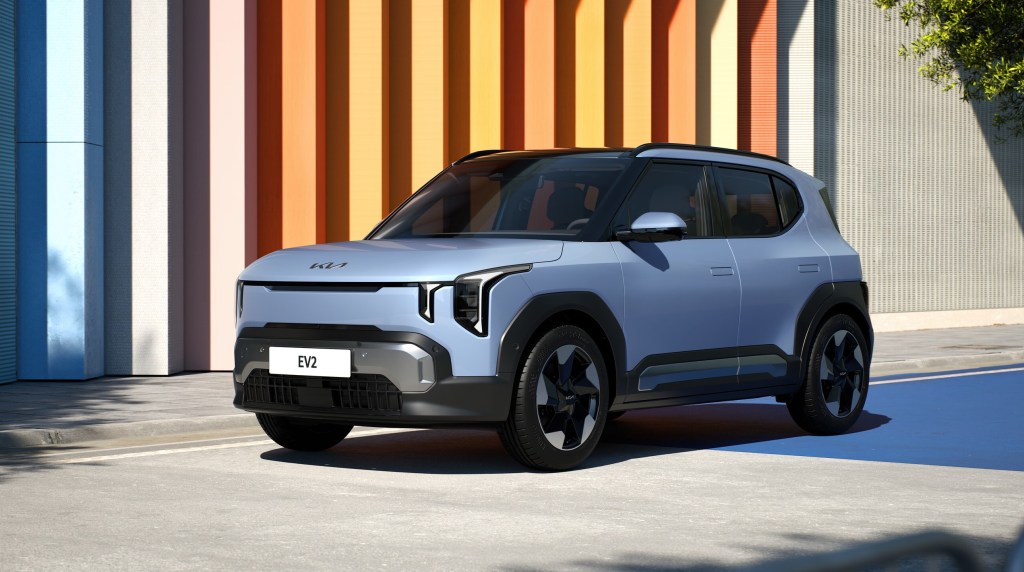
Kia EV3
Kia has a trifecta of upcoming low-cost electric vehicles, the EV3, EV4 and EV5.
We’ll go over each model, one by one, starting with the EV3.
This small crossover is already on sale in some parts of the world and was named the 2025 World Car of the Year at the World Car Awards. Canada is not expected to get this vehicle until sometime in 2026.
You could call the EV3 an indirect replacement to the Kia Soul EV, because their proportions are similar. But the EV3 should fix the main flaw of the now-discontinued Soul EV: range.
With front-wheel drive and an 81.4-kWh battery, the EV3 gets 605 kilometres of estimated electric range, by European test standards. Canadian and U.S. testing standards are tougher, so you can expect Canadian sales material to indicate an estimated driving range of 500-plus kilometres when it goes on sale here.
Kia EV4
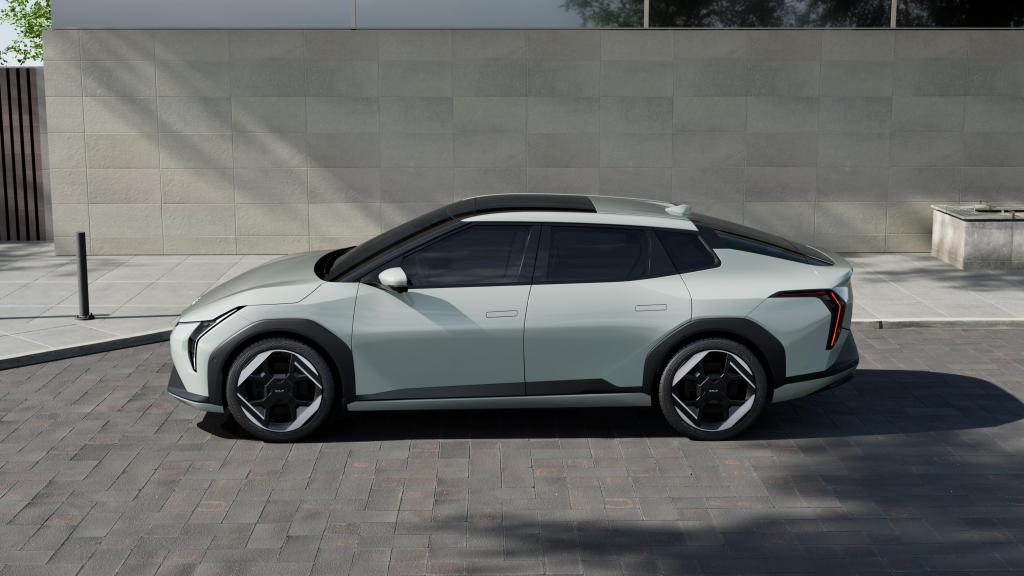
Where the EV3 is a small SUV-like crossover, the EV4 is as car as it gets with a sedan body style with some design elements from the EV6, which is a premiums midsize crossover.
The EV4 will have battery capacities of 58.3 kWh and 81.4 kWh. Depending on trim, front-wheel-drive models should get a driving range of 378 to 531 kilometres, plus there will be optional all-wheel drive models. Keep in mind, all-wheel drive will give the car more power but reduced range.
Kia Canada said the 2026 EV4 will be available in Canada in early 2026.
Kia EV5
The last of the Kia trio we’ll mention is the EV5.
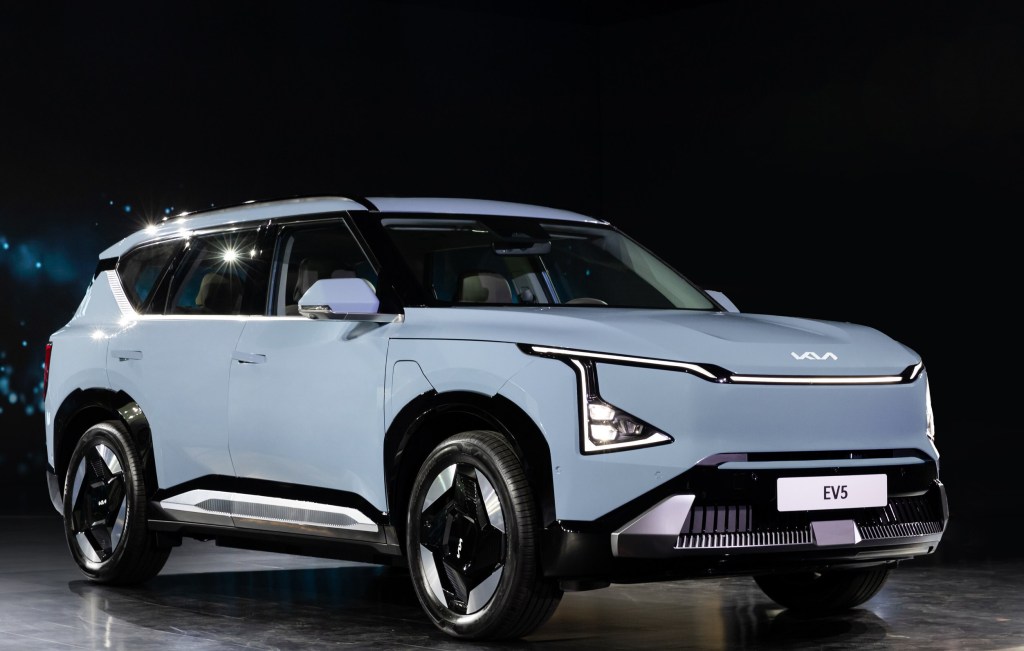
The EV5 is launching in Canada as a 2027 model and will be available sometime in 2026.
Canada is the only North American market planned to get this compact SUV.
The EV5 shares its looks with the larger EV9, and promises to be a fairly roomy five-seater.
The EV5 will be available with battery capacities of 60.3 kWh and 81.3 kWh and with front-wheel drive and all-wheel drive. Front-wheel-drive models with the larger battery could exceed 500 kilometres of range.
Kia is hoping this model accelerates EV adoption by breaking the affordability barrier.
The starting Canadian manufacturer’s suggested retail price (MSRP) for the base model with front-wheel drive and the smaller battery is $43,495.
The starting MSRP for models with the larger battery is $47,495, and $49,995 for the all-wheel-drive version.
The MSRP doesn’t include fees, levies or taxes.
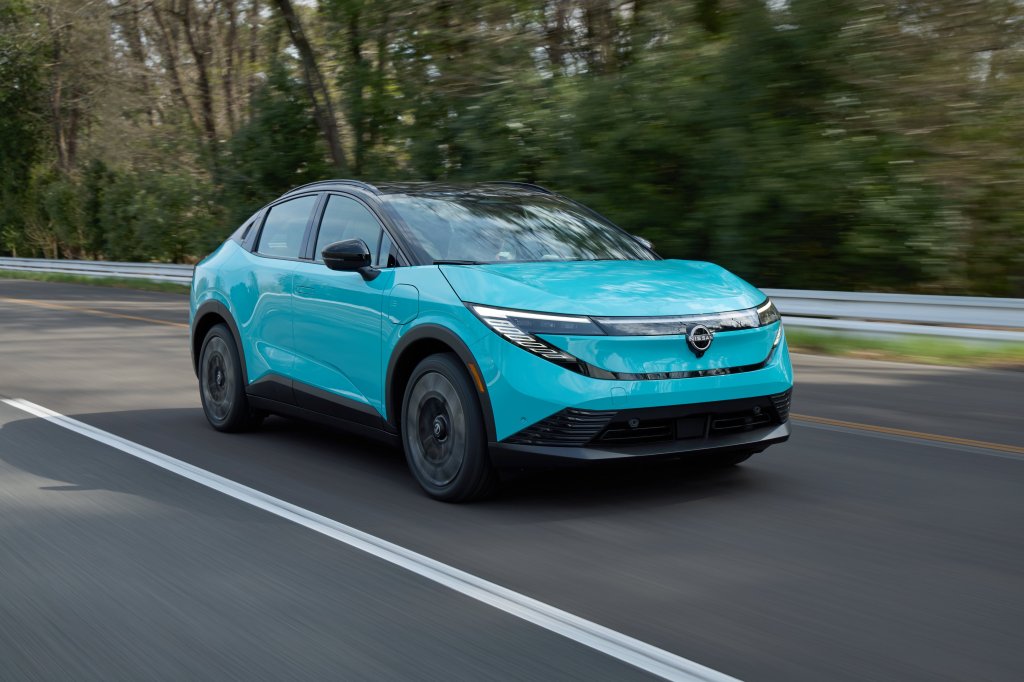
Nissan Leaf
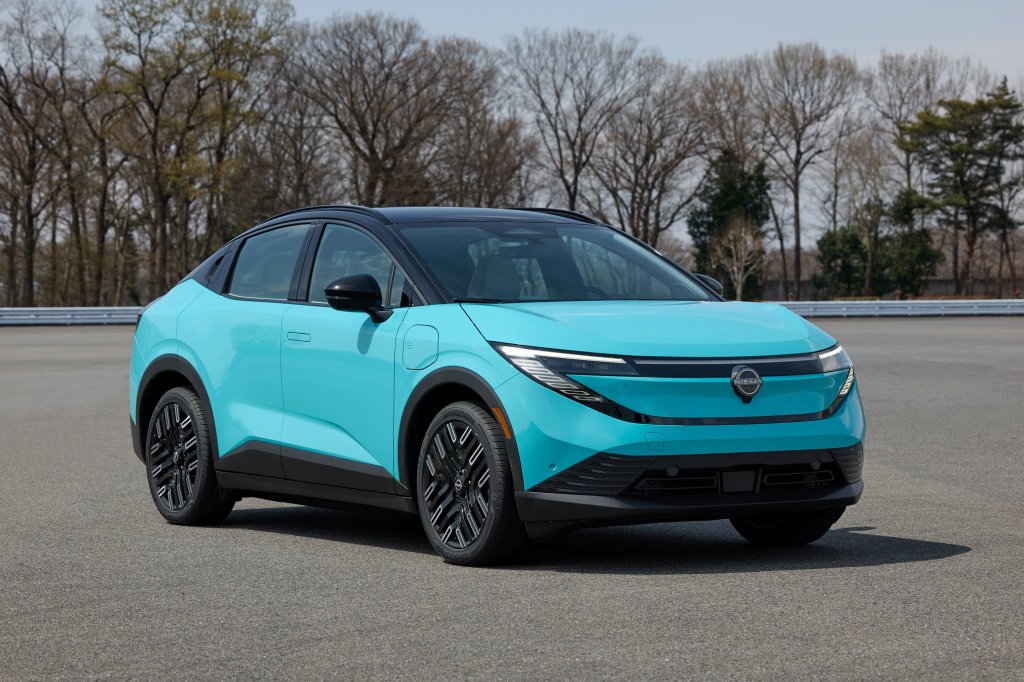
The third-generation Nissan Leaf is launching for 2026.
The new Leaf is larger and more stylish than the one it replaces – and most importantly, it has improved range.
With a battery capacity of 75 kWh, Nissan says the new Leaf has a driving range of up to 488 kilometres.
Power is up and ride quality and interior noise are said to be improved as well, plus the 2026 Leaf will come packing modern tech.
Nissan Canada has only announced pricing for models with the larger 75-kWh battery. The starting MSRP for these models is $44,998, which with fees and levies brings the purchase price to $47,846. The version with a smaller battery should get a slightly lower price.
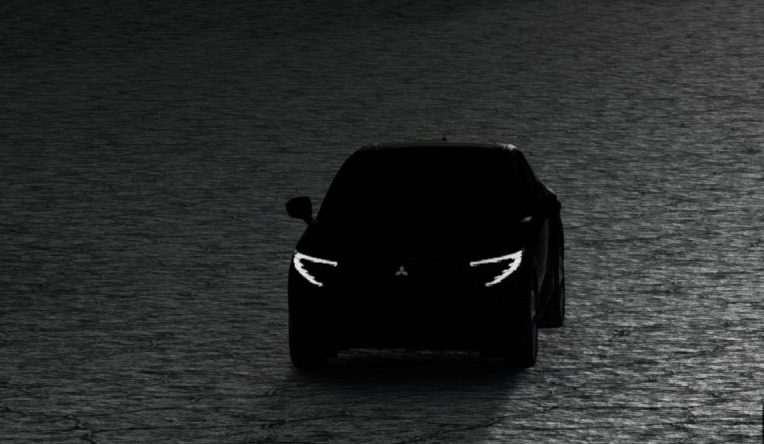
Mitsubishi Lancer?
This one’s a bit of a mystery as Mitsubishi has not said a whole lot about its upcoming EV, except that it will be a based on the new Nissan Leaf and it will be available in Canada in the summer of 2026.
A Leaf-based EV would indicate the upcoming model will be a small crossover.
We don’t know what the new Mitsubishi EV will be called, but Lancer is a potential candidate as the automaker sometimes reuses the names of previously beloved vehicles, even if the original and the new one are nothing alike.
It is possible Mitsubishi could position its Leaf-based EV below the Leaf. If that happens, look for fewer standard features and an easier cost of entry, but the automaker could also go the other way, so we’ll just have to wait and see.
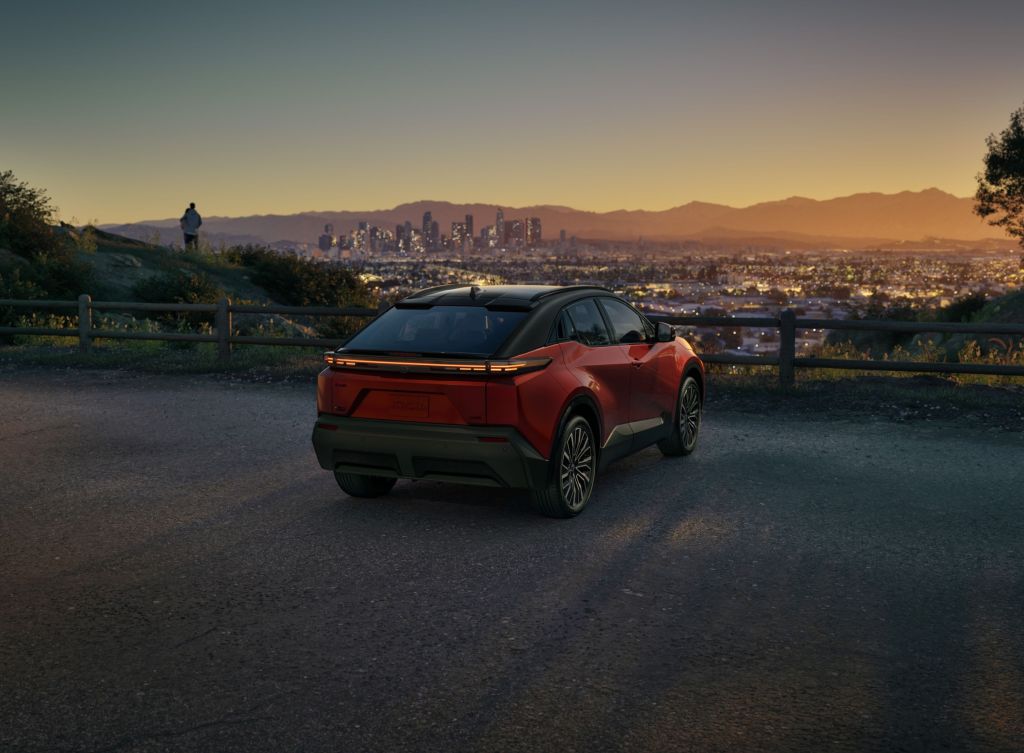
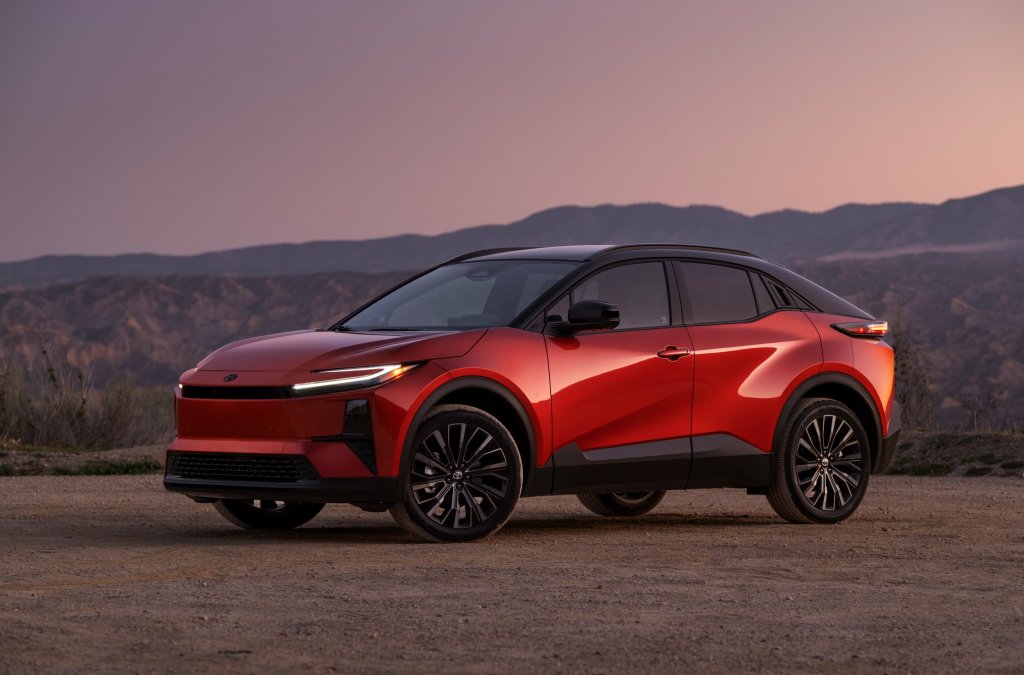
Toyota C-HR
Toyota is the king of hybrids and is committed to that powertrain type, but it’s not planning to fall behind on EVs either. The automaker refreshed its oddly named bZ4X, becoming the bZ in 2026, but the vehicle that cost-conscious Canadians should be watching for is the C-HR.
The C-HR was previously sold in Canada as a gasoline-burning crossover, but is now going battery-electric.
The coupe-like crossover is smaller than the bZ and will be available with front-wheel drive and all-wheel drive.
With a 77-kWh battery and a 221-hp front-wheel-drive propulsion system, Toyota is gunning for a 500-kilometre range. All-wheel-drive versions will pack a ton more power but estimated range is expected to fall to around 465 kilometres.
The C-HR will launch for the 2026 model year and is expected to be available sometime in 2026.

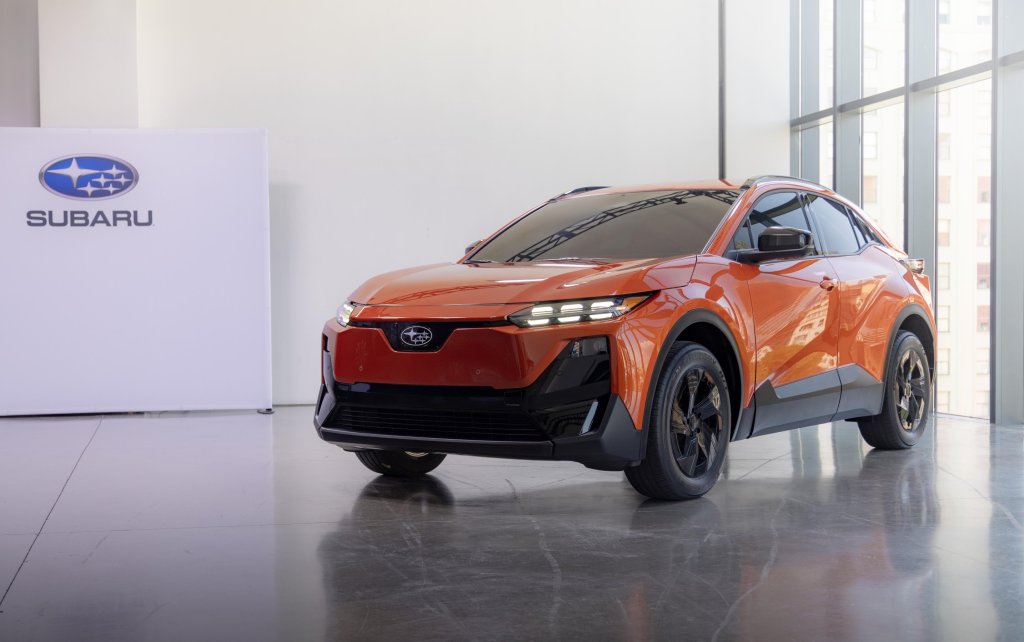
Subaru Uncharted
Subaru previously launched a pair of EVs based on Toyota’s updated bZ and has now unveiled a smaller electric crossover, the Subaru Uncharted, which is based on the C-HR mentioned above.
The Uncharted maintains the same powertrain options as the C-HR, with front-wheel-drive models running on 221 hp and with an estimated driving range more more than 480 kilometres.
Subaru’s symmetrical all-wheel drive with X-Mode is optional, unlocking the same 338 hp that all-wheel-drive versions of the C-HR also get.
Subaru says all-wheel-drive models can accelerate from zero to 100 km/h in less than five seconds and driving range is estimated around 460 kilometres.
Subaru engineers tuned the chassis and suspension for a fun-to-drive on-road and off-road feel and a secure grip on off-road surfaces.
The 2026 Subaru Uncharted is expected to become available in early 2026.
NOTE TO READERS: This article was updated Nov. 27, 2025, to include fresh details.

 Empty Tank
Leave a comment