

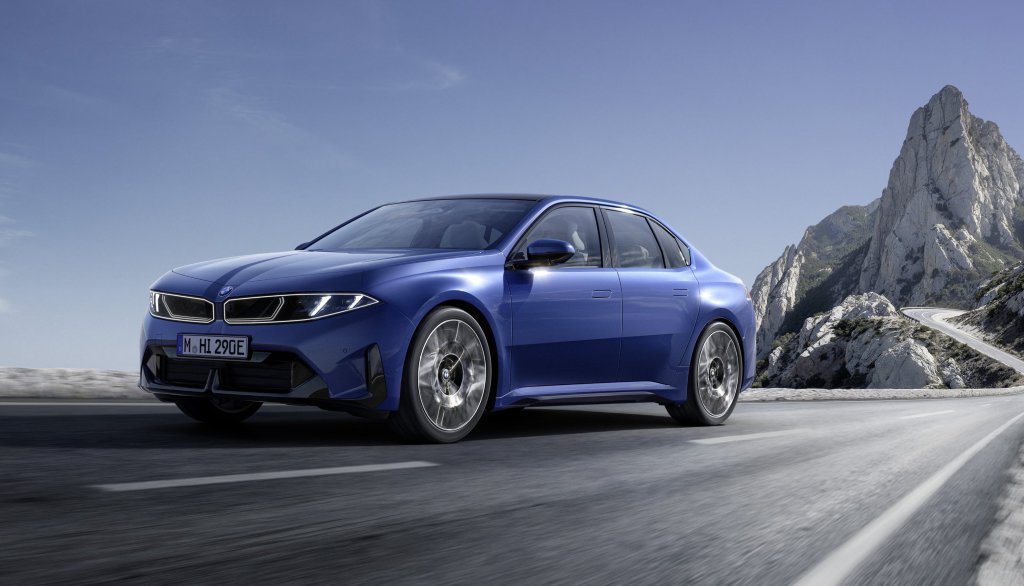
BMW says the use of high-performance computers it calls “superbrains” will help its Neue Klasse electric vehicles lose weight and be more energy efficient.
The Neue Klasse software-defined vehicles will contain four of these “superbrains.”
The “superbrains” consolidate the computing power for the most important vehicle functions, including infotainment, automated driving, driving dynamics, as well as for vehicle access, climate control and comfort.
BMW said its four “superbrains” provide more than 20 times the computing power of current generation vehicles and they’re designed for future software and function updates, including AI-powered customer experiences.
The computers are connected via high-speed data connections to smaller control units (zonal controllers), which manage and consolidate the data flow of the electronics in and out of zones. Because of this zone-related function, the wiring can be shorter, thinner and lighter, the automaker said.
The Neue Klasse vehicles are expected to have 600 metres less wiring and a 30 per cent lighter zonal wiring harness architecture compared to previous generation vehicles.
However, for this lighter, thinner wiring architecture to work, the vehicles need Smart eFuses.
These digital fuses will replace up to 150 traditional fuses and can be digitally controlled to distribute energy to components for various vehicle functions, such as driving, parking, charging and upgrading.
The Smart eFuses allow the vehicles to distribute power intelligently, such as when needed for driving, parking, charging and more, and unnecessary energy consumers can be identified and switched off.
These eFuses are said to be a significant part of improving energy efficiency by 20 per cent.
“Technology openness is the key to BMW’s success. Starting with the first model of the Neue Klasse, we will roll out the technologies of the Neue Klasse across the entire future model portfolio – across all segments and all drivetrains. This also applies to our completely newly developed electronic architecture made up of powerful ‘Superbrains’ and highly interconnected software platforms. This architecture allows us to decouple the development of the vehicle and software from each other. The advantage: More than ever before, all future BMW models will remain digitally up to date via over-the-air upgrades and will receive updates even from the next and subsequent vehicle generations,” said Frank Weber, board member for development at BMW AG, in a news release.
BMW said the team is working on more than 1,000 software modules, more than 20 GB of software and more than 500 million lines of code, which will be integrated into the Neue Klasse vehicle “superbrains” and the rest of the vehicles’ electronic architecture.

 Empty Tank
Leave a comment