
Lamborghini hasn’t produced a car with an engine sitting in front of the driver in decades, but a hint from the company’s CEO suggests that could change.
Lamborghini CEO Stephan Winkelmann spoke with reporters at the 12 Hours of Sebring in late March.
He was asked about what comes next after the company cancelled its first EV plans. The automaker still plans to be ready to make an EV, but not before 2030. Before that, it may add a fourth model to its lineup.
The automaker ruled out a small SUV and a sedan. Instead, Winkelmann told reporters Lamborghini is missing a two-door 2+2 grand touring or gran turismo car in its lineup.
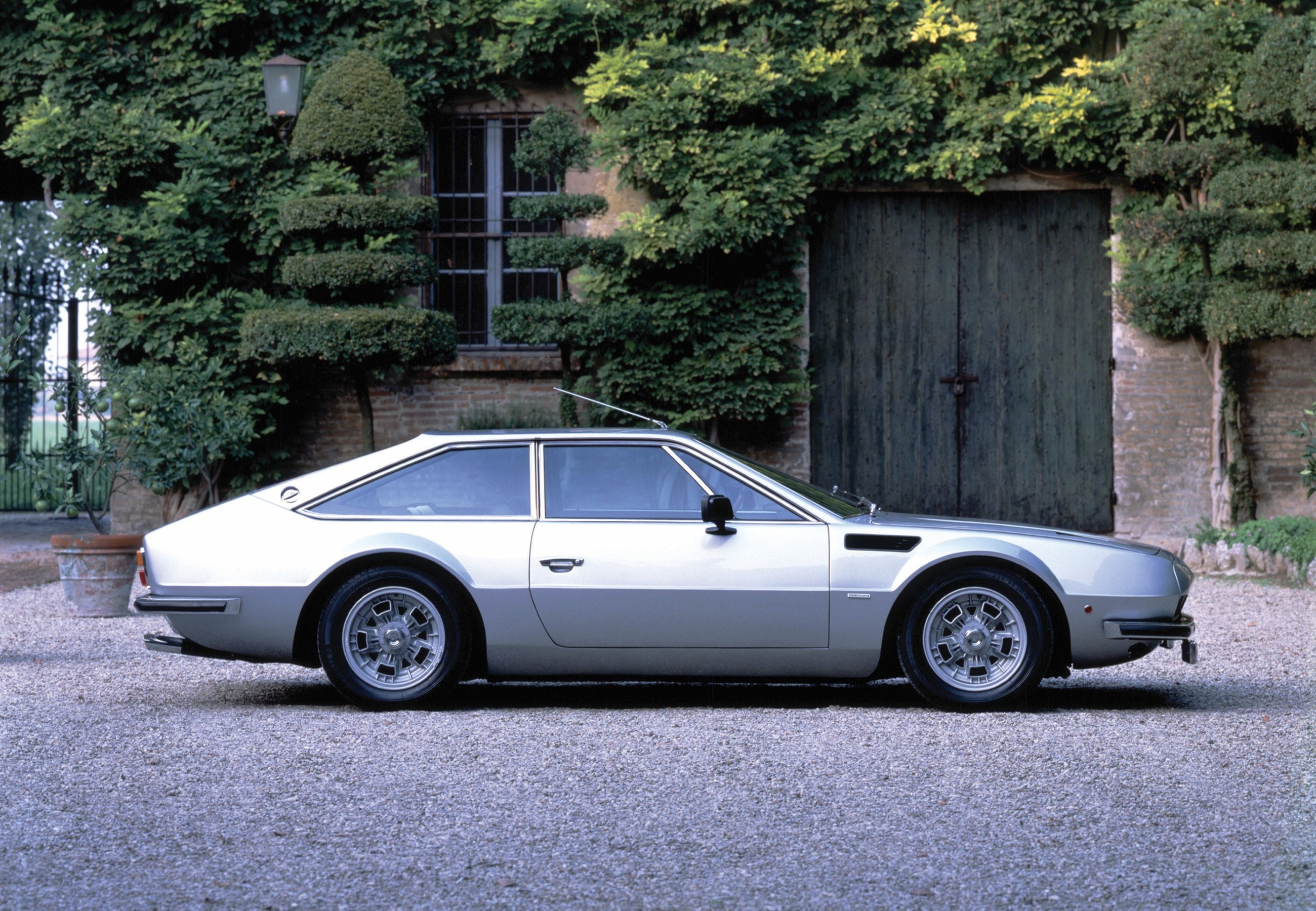
The last time Lamborghini produced a GT car was the Jarama, which was produced from 1970 to 1976.
There are two other front-engine models since the Jarama – those are the LM 002 (produced from 1986 to 1992), and the Urus (2018 to present). Both have front engines but they’re SUVs.
As for a traditional car with a front-engine layout, the brand hasn’t had one since the Jarama bowed out 50 years ago.
More about the Jarama
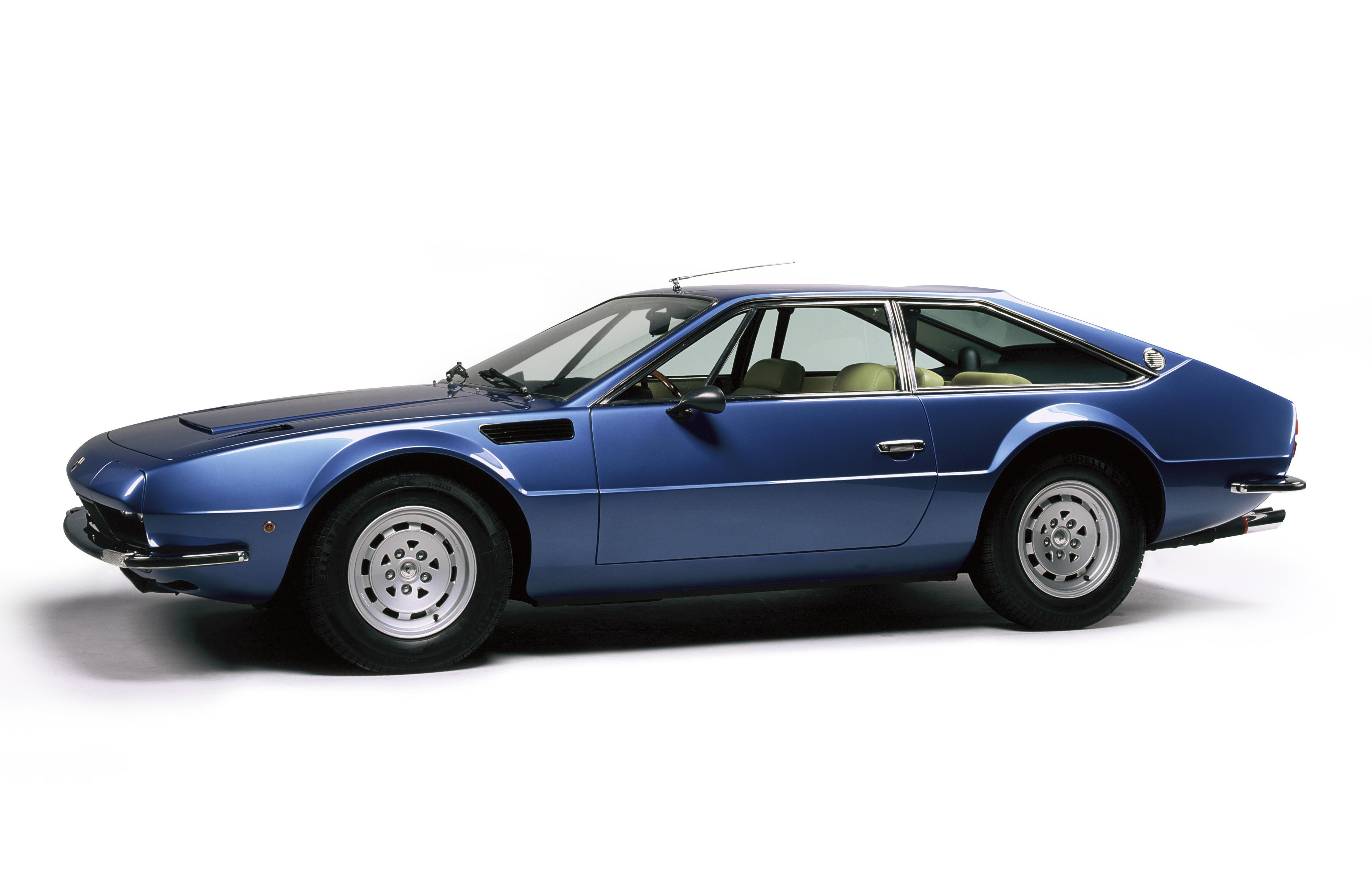
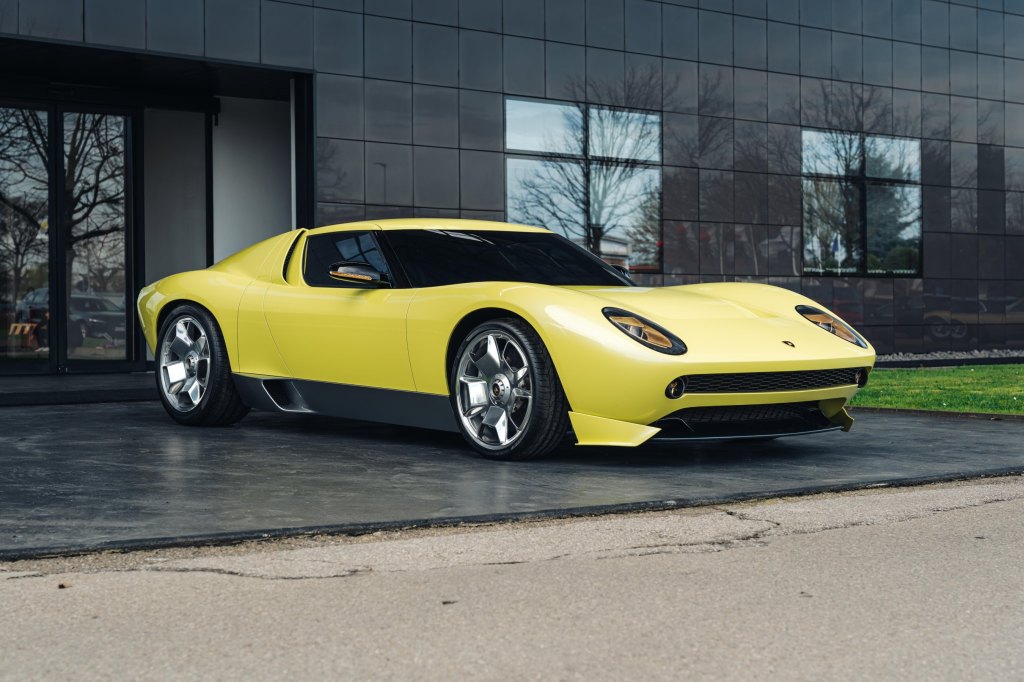
The Jarama, which was officially called the Jarama 400 GT, was the last of Lamborghini’s front-engine 2+2 cars.
A longitudinally mounted 4-litre V12 sat under the hood and produced 350 hp in the standard model and 365 hp in the Jarama GTS. Those are Italian horses (CV), which translate to power figures of 345 hp and 360 hp in North America.
The Jarama was also one of the favourite cars of the company’s founder, Ferruccio Lamborghini.
The automaker said the Jarama was built to be comfortable, fast and luxurious.
Lamborghini has a history page dedicated to its last front-engine 2+2 GT on its website.
Lamborghini’s roots are in GT class
While Lamborghini has moved away from front-engine GT layout in recent decades, that is where the company had its start.
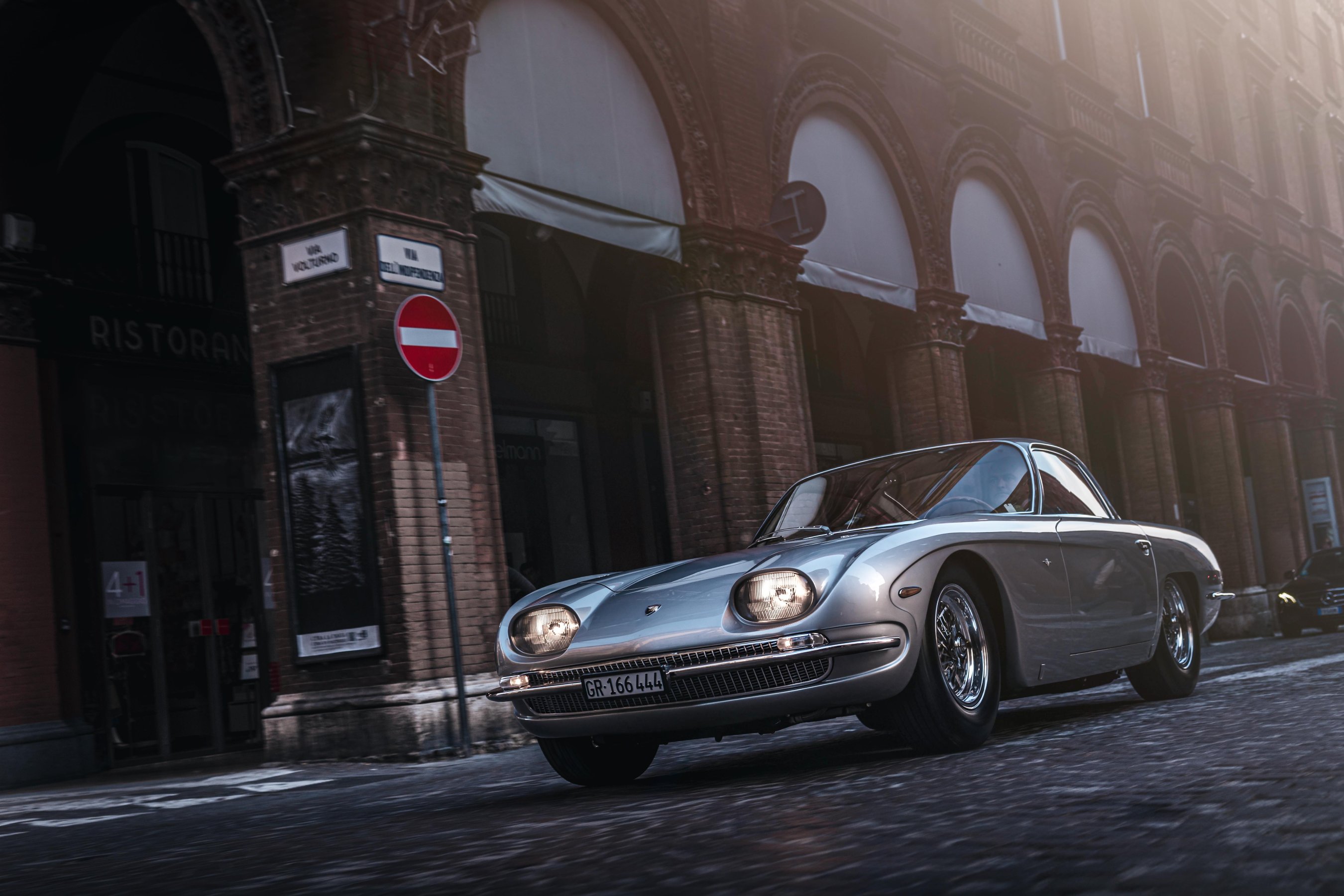
When Ferruccio Lamborghini, an industrialist who founded a tractor company in 1948, created the Automobili Lamborghini sports car brand in 1963, the company’s earliest cars had engines up front.
The company’s first car, the 350 GT, was produced from 1964 to 1966. It has a 3.5-litre V12 engine with 320 hp, and a 2+1 seating layout.
Modern GT concept
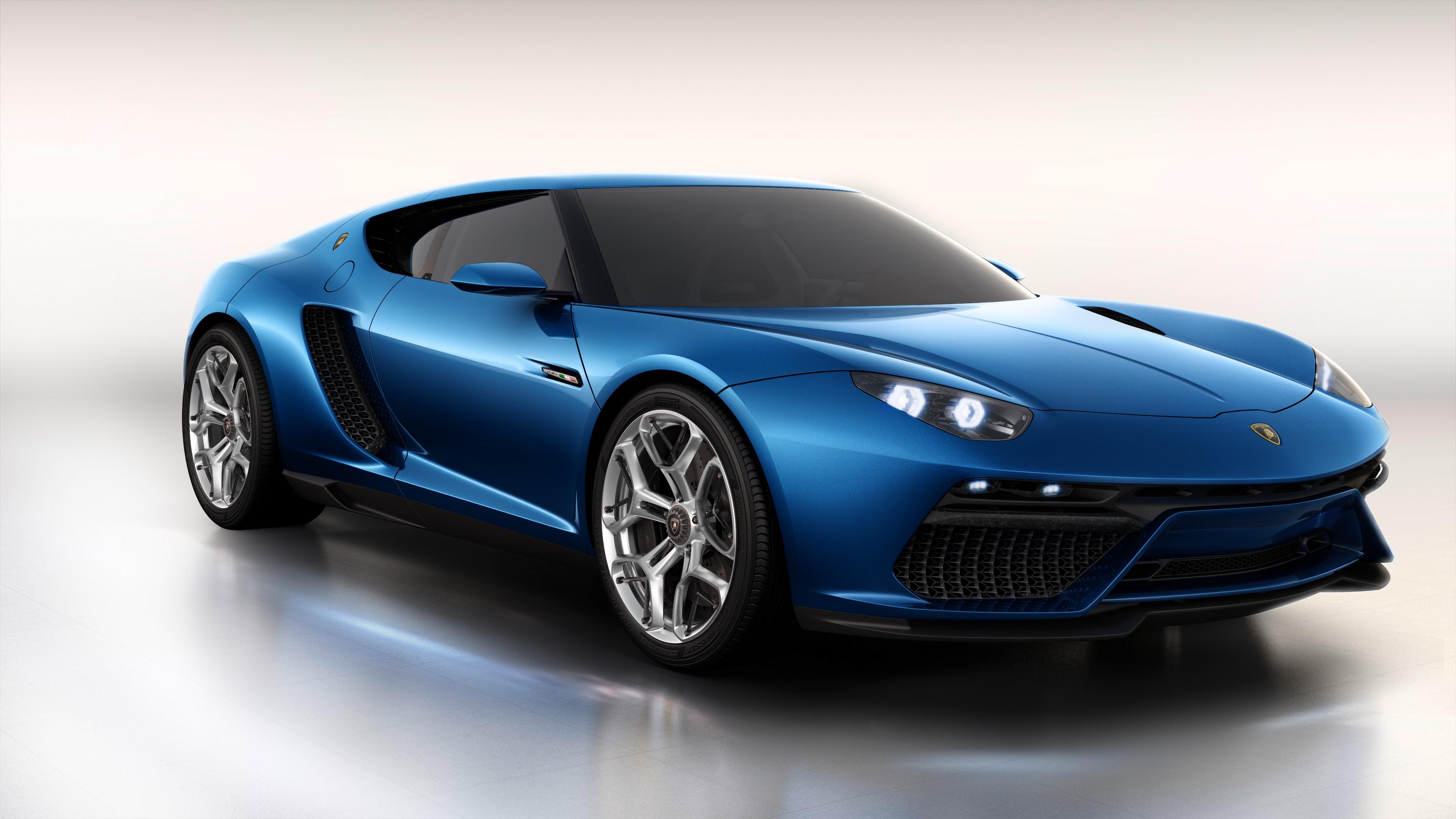
Lamborghini hinted at the GT idea more than a decade ago when it revealed the Asterion LPI 910-4 concept car in 2014.
That front-engine concept car was powered by the automaker’s very first plug-in hybrid powertrain, which consisted of a 5.2-litre naturally aspirated V10 engine and three electric motors, delivering a total of 910 Italian horses (897 hp). It also had an all-electric range of 50 kilometres.
The Asterion promised superior power combined with daily drivability and comfort.
The front-engine car never made it to production, but showed what a modern Lamborghini GT car could look like.
We may yet see something like it from Lamborghini.


 Empty Tank
Leave a comment