
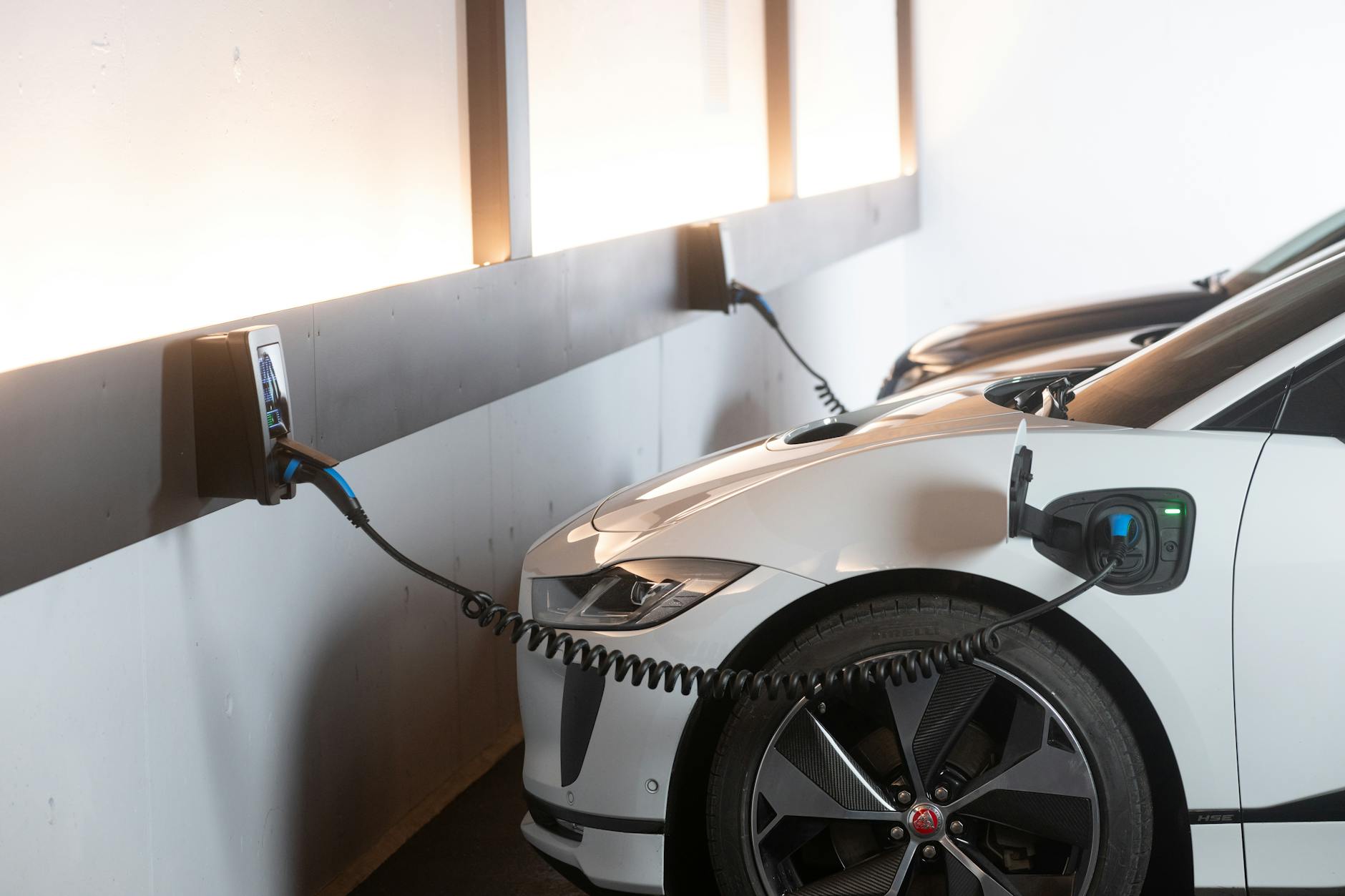
Canada’s federal government intends to boost electric vehicle sales while also eliminating the requirement for car companies to sell them.
Prime Minister Mark Carney announced a new auto strategy his Liberal government said is intended to increase EV adoption while also protecting Canada’s automotive sector.
The plan includes a number items that allocate resources and funding to help support automakers and auto sector workers, boost trade with other countries – in response to U.S. tariffs on Canadian-made vehicles – and more.
But, we’ll skip straight to a few items that are likely of most concern to consumers. These items include a new EV rebate and another is the EV sales mandate.
New EV rebate
Carney’s government plans to spend $2.3 billion to create a five-year EV Affordability Program. It’s similar to the former Incentives for Zero-Emission Vehicles program, with slight changes.
Like the old program, the new one will offer EV buyers a rebate of up to $5,000.
The up to $5,000 rebate is intended for the purchase or lease of a battery-electric vehicle (BEV) or fuel-cell electric vehicle (FCEV). There is also a rebate of up to $2,500 for the purchase of a plug-in hybrid electric vehicle (PHEV).
For a vehicle to qualify, the final transaction value of the vehicle must be no more than $50,000 on EVs made in countries that Canada has a free-trade agreement with.
There is no price cap on made-in-Canada EVs and PHEVs.
The government did not say how soon this EV incentive will be available.
EV sales mandate scrapped
Another noteworthy item from the latest news is that the federal government intends to eliminate the Electric Vehicle Accessibility Standard. The policy was announced in 2023.
It would have required a certain percentage of new light-duty vehicle sales to be electric, starting this year. The 2026 requirement called for 20 per cent of all light-duty vehicles sold in Canada to be electric, with that number increasing each year until 2035, at which time all vehicles sold would have to be electric. This policy will be scrapped.
Stricter GHG standards to drive EV sales
Instead of the sales mandate, the federal government will introduce stricter greenhouse gas emission standards, which the government said will put Canada on a path to EVs representing 75 per cent of all light-duty vehicle sales in 2035 and 90 per cent by 2040.
“This approach will allow manufacturers to use a wide array of technologies to meet the standards and respond to consumer preferences in the near-term, while driving EV adoption over time,” the government said.
Funding for charging infrastructure
Another item that is intended to boost EV adoption is funding to increase the number of publicly accessible charging stations.
The government intends to spend $1.5 billion to boost the Charging and Hydrogen Refuelling Infrastructure Initiative. More infrastructure is intended to make it easier and more convenient for drivers to charge their BEVs and refuel their hydrogen-powered FCEVs.
“Supporting our auto industry to compete and succeed in a rapidly changing global economy is a win for all Canadians. By strengthening greenhouse gas emissions standards and backing Canadian workers to build cleaner and more efficient vehicles, we are reducing pollution at the source while meeting growing global demand for EVs,” said Julie Dabrusin, minister of the environment, climate change and nature, in a news release.
“Canada’s auto strategy drives down emissions by accelerating the shift to low and zero-emission vehicles, attracting investment in the clean economy, and lowering costs for drivers through improved efficiency, lower fuelling costs, and smart incentives. This is how we cut emissions, create good jobs, drive toward an electric future, and build Canada strong.”
An observation from this writer
Electric vehicle sales have fallen since the former iZEV rebate ended in early 2025, but it appears there is still strong interest in EVs in Canada.
Following Carney’s auto strategy announcement the morning of Thursday, Feb. 5, an inordinate number of readers have come to this site looking up what are the cheapest new EVs in Canada, and likely other Canadian auto publications are experiencing the same thing.
And, we may as well make a shameless plug and point you directly to that list of cheapest electric vehicles available in Canada in 2026. Just click the image below.


 Empty Tank
Leave a comment