
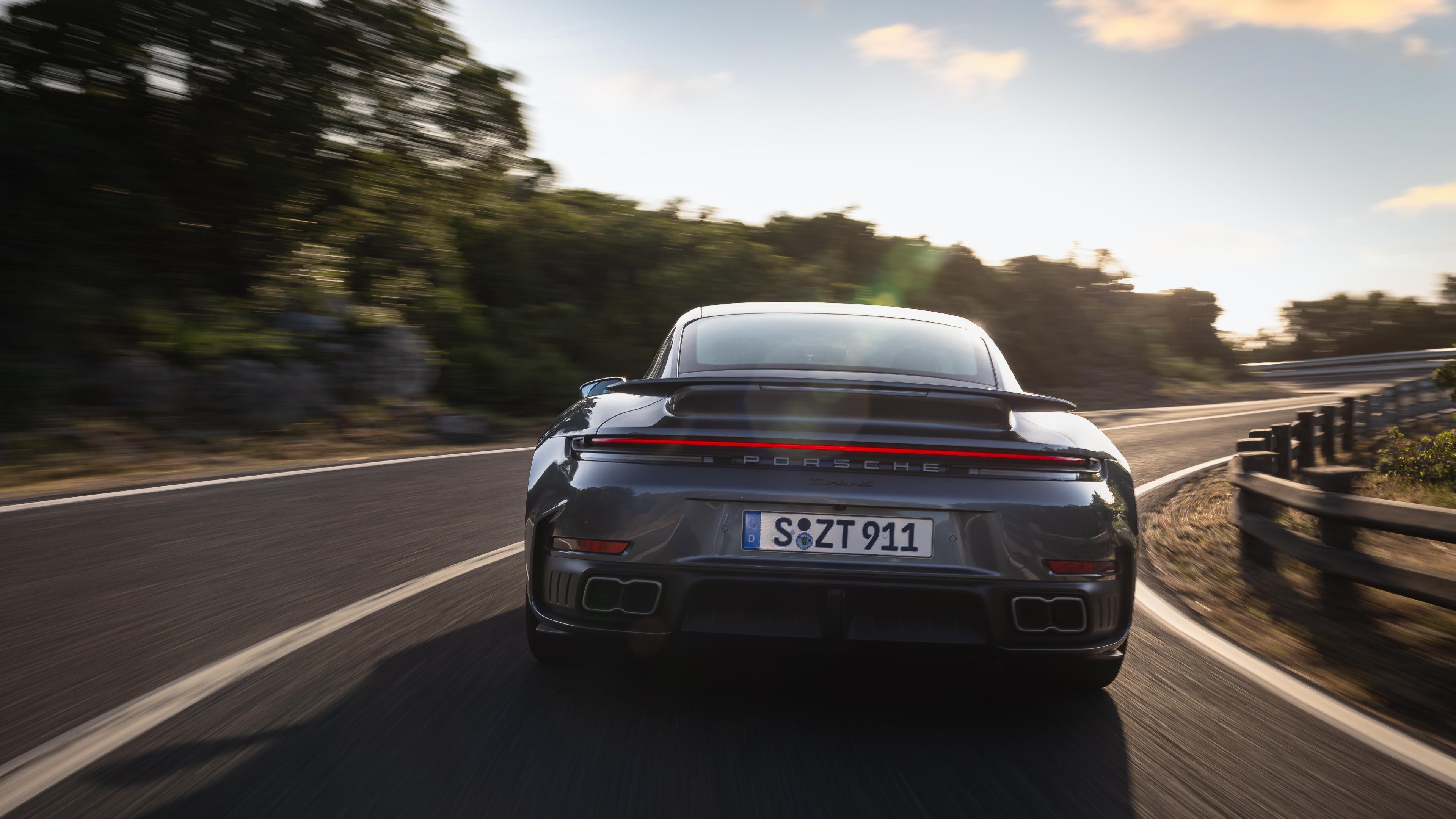
Porsche is slowing down its transition to electric vehicles due to changing market conditions, the company announced.
The German automaker announced a realignment of its product strategy on Sept. 19, saying it will delay some electric vehicle launches and continue producing vehicles with internal combustion engines and plug-in hybrid versions for longer than previously anticipated.
“We are currently experiencing massive changes within the automotive environment. That’s why we’re realigning Porsche across the board,” Porsche CEO Oliver Blume said in a news release. “In doing so, we want to meet new market realities and changing customer demands – with fantastic products for our customers and robust financial results for our investors.”
Delayed EVs
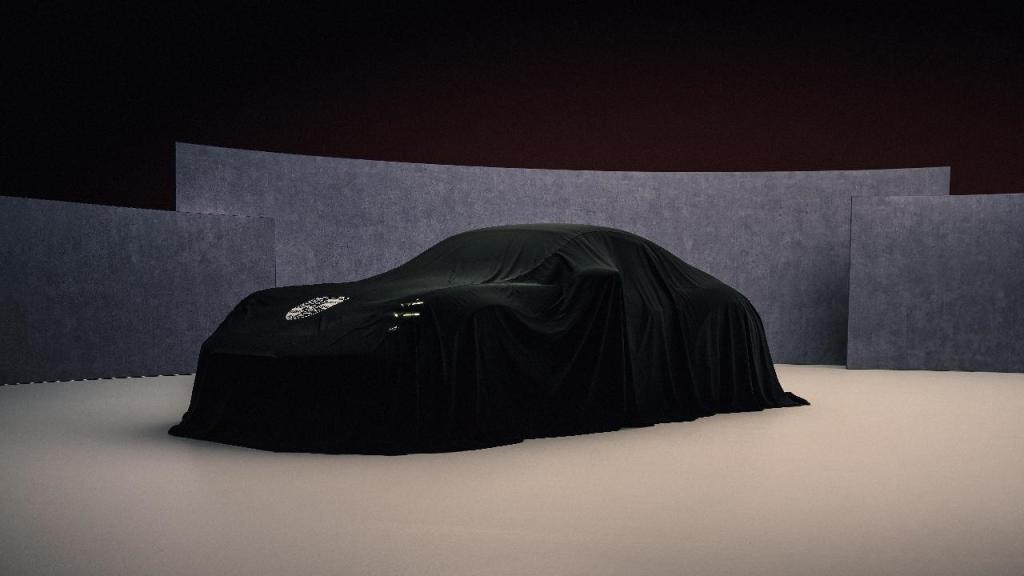
The company had been planning a new SUV that would sit above the Cayenne in Porsche’s hierarchy. Porsche had planned this model to be fully electric. Instead, the model will first arrive with ICE and PHEV powertrains.
Furthermore, the Panamera and Cayenne will continue to be available with ICE and PHEV powertrains well into the 2030s. Porsche said it is planning successor models for these two vehicles.
Current EVs
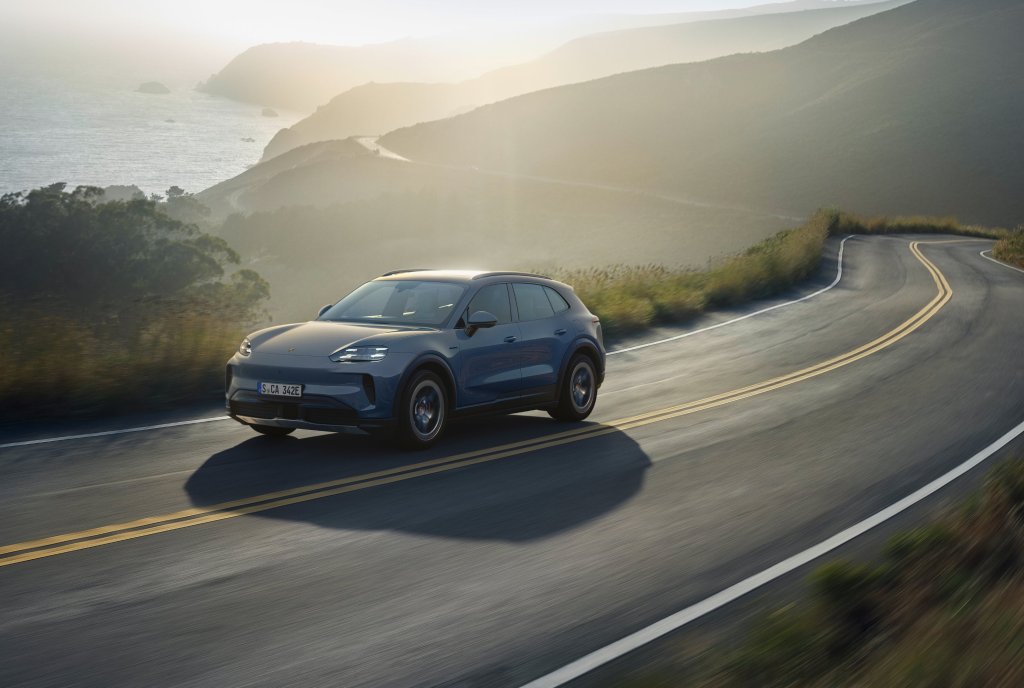
Porsche said existing all-electric models, including the Taycan, Macan, Cayenne and the upcoming 718 Boxster and Cayman replacements, will continue to be updated.
New platform delay
Development of a new EV platform, which was to be used for vehicles in the 2030s, is being rescheduled.
Porsche was working on this platform with other brands within Volkswagen Group.
“This is the company’s response to the significant slower growth of the demand for exclusive battery-electric vehicles,” Porsche said in a news release.
Rescheduling development of this new EV platform is expected to reduce Porsche’s operating profit in fiscal 2025 by up to 1.8 billion euros ($2.9 billion Canadian).
Financial impact
The company expects its financials to be affected by the changes and changing market conditions.
Porsche said it is mitigating burdens such as U.S. import tariffs, the decline in the Chinese luxury market and the slowdown in customer EV uptake.
The company’s earnings before interest, taxes, depreciation and amortization (EBITA) for fiscal 2025 are now expected to come in at a margin of 10.5 to 12.5 per cent versus the previously forecast 14.5 to 16.5 per cent.
“These decisions build on the previously announced initiatives and help us to achieve a very balanced portfolio,” Blume said in the release.
“This increases our flexibility and strengthens our position in a currently highly volatile environment. With a convincing mix of combustion engines, plug-in hybrids and battery-electric vehicles, we want to meet the entire range of customer requirements. In the medium term, this approach is intended to support our business model and strengthen our market position.”

 Empty Tank
Leave a comment