
Honda has recently unveiled the all-new Prelude, a hybrid-powered two-door car.
Enthusiasts (or chronic online complainers), while excited about the revival of the Prelude name after a quarter century, were quick to bemoan the lack of an available manual transmission on the sporty car.
With Honda’s use of its highly regarded and sophisticated hybrid powertrain, taken straight out of the Civic Hybrid, there’s no room for three-pedal driving, as the car’s two electric motors, which operate without a transmission, are called upon to drive the wheels of the car.
The current powertrain, in most likelihood, makes a stick shift impossible in the Prelude.
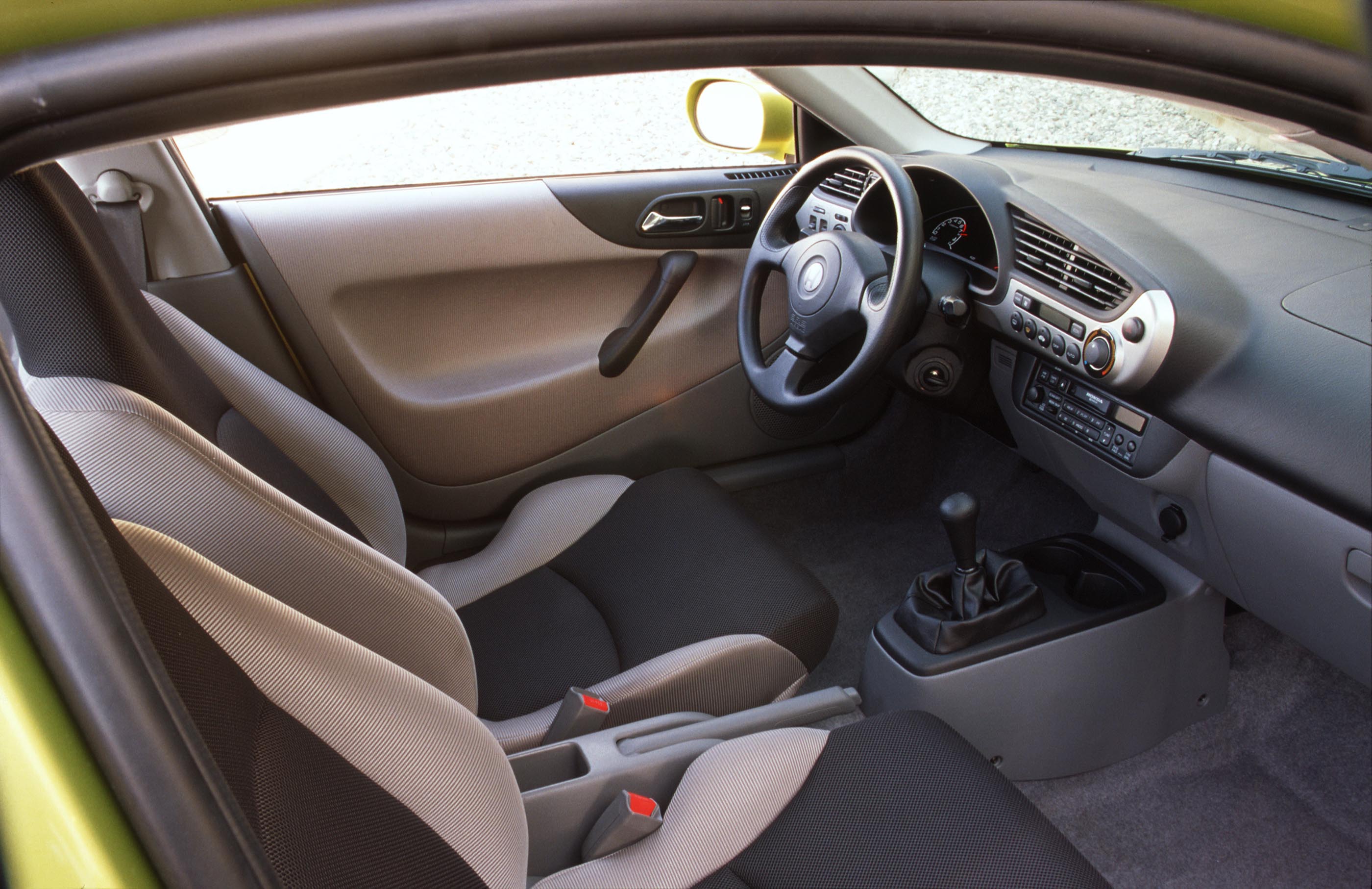
But a hybrid-electric powertrain with a manual transmission is possible. Honda even had such a vehicle two decades ago.
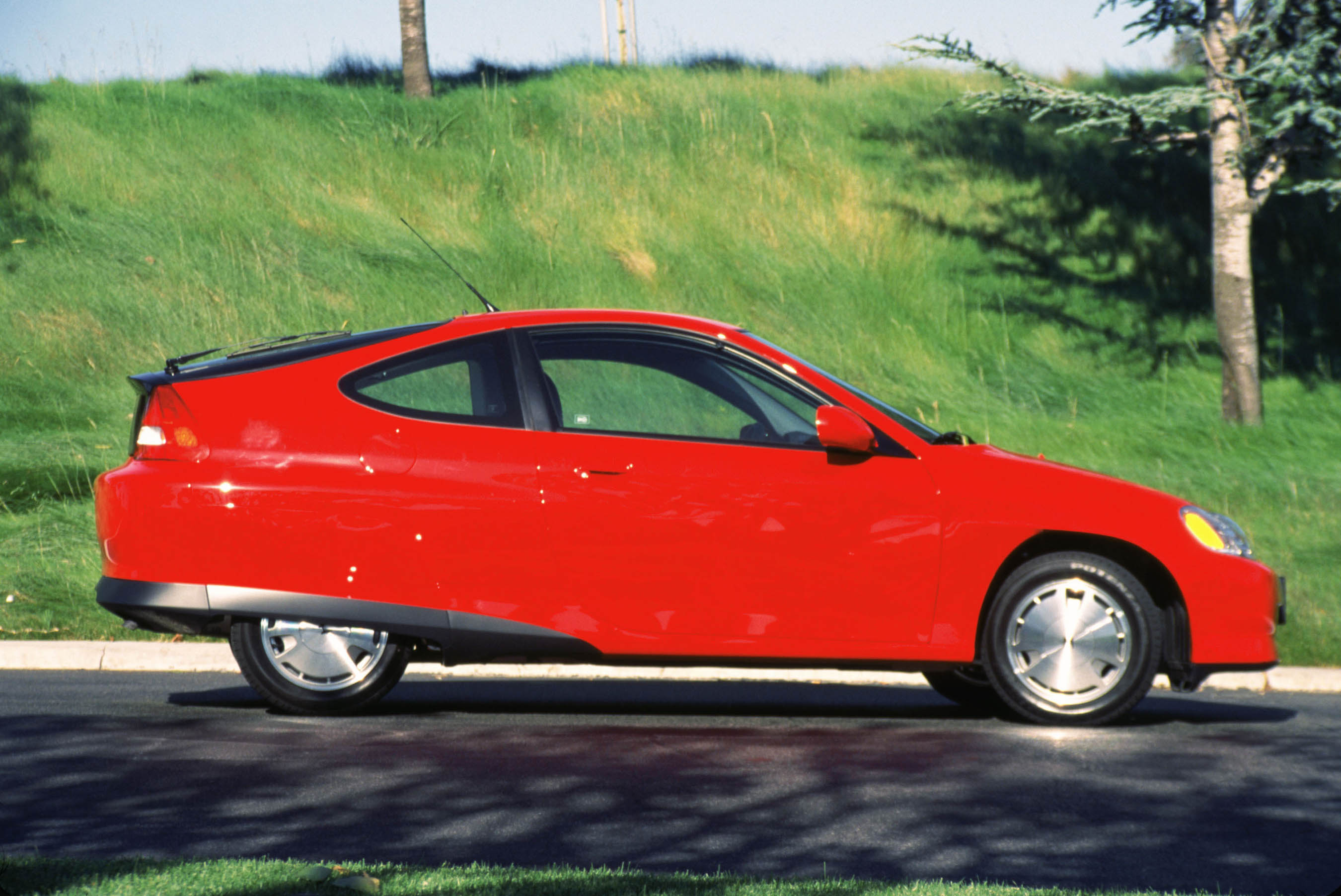
We’re talking about the original Honda Insight, a small two-seat, two-door hatchback that began the automaker’s journey with hybrid-electric vehicle sales in North America when it launched in 1999. The original Insight was sold until 2006.
The car featured advanced aerodynamics and a lightweight aluminum body and structure to help improve efficiency. Thanks to the use of stamped aluminum sheets, an extruded aluminum frame and aluminum die-castings, the Insight’s body was nearly 50 per cent lighter than the steel body of a Civic Hatchback, but had 38 per cent more torsional rigidity.
At the time it was sold, the Insight had the lowest drag coefficient (0.25 Cd) of any mass-produced car sold in the world, Honda said.

Rudimentary hybrid
The hybrid powertrain in the original Insight, while relatively advanced for its time, would be considered rather rudimentary by today’s standards, but it’s why the car was able to use a stick shift.
An explainer of how it worked, published at medium.com, goes into greater detail on how the powertrain works, but I’ll give you the Coles Notes here.
The car mostly operated as a regular gasoline-powered car, but when you punched the throttle, the car got an extra boost of 13 hp from an electric motor. The total power output was 73 hp.
To recharge the battery, the driver would leave the car in gear and take their foot off the gas to coast. Add a bit of brake pressure and the car would recharge even quicker.
The car also employed the auto-stop feature, a feature commonly found in today’s cars.
As you came to a stop and took the car out of gear, if the air conditioner or heater weren’t on, the engine would turn off. Once you put the car into gear, the engine would start again.
Another person, explaining the transmission on Reddit, said a trick they found when they stopped on an incline, is they would put the shifter into first gear without touching the clutch. The engine wouldn’t start until they pressed the clutch, which made it easier to get the car going uphill. Drivers of cars with manual transmissions will know this is a common irritant, unless it’s a newer model with hill start assist.
Despite the Insight’s rather rudimentary (by today’s standards) hybrid powertrain, it remains the most fuel-efficient mass-produced Honda sold in Canada to date.
The car had a fuel efficiency rating of 3.4 L/100 km.
Honda had several other cars with hybrid powertrains and manual transmissions, including early Civic Hybrids and the CR-Z.
 Empty Tank
Leave a comment