

It appears increased spending on border enforcement to help stop the movement of fentanyl into the United States is also expected to help prevent stolen vehicles from leaving Canada.
In an update on its progress to reduce auto theft, the Government of Canada laid out how the $1.3-billion border plan is helping in this effort.
The border plan is intended to combat organized crime, fentanyl trafficking and money laundering as part of an effort to appease the U.S. in a trade dispute that has resulted in on-again, off-again tariffs on Canadian goods entering the United States, and reciprocal counter-tariffs by the Canadian government on U.S. goods.
Vehicle theft rates fell by 20 per cent nationally in 2024 compared to the previous year, but the issue remains a big problem in Canada.
The border plan includes a newly appointed fentanyl czar, a Canada- U.S. joint strike force, an intelligence directive on organized crime and fentanyl and the launch of the Joint Operational Intelligence Cell (JOIC), up to $200 million to increase law enforcement’s information sharing capacity, the listing of seven transnational criminal organizations largely responsible for getting fentanyl into our communities, and the launch of a new intelligence partnership made up of Canada’s big banks and law enforcement, the federal government said.
How does the above help prevent vehicle theft?
“We are ramping up the fight against organized crime and fentanyl trafficking, which we know has long been fueled by illicit proceeds from auto theft. These actions will help further the progress we’ve already made on auto theft, while strengthening our border and keeping our communities safe,” said Minister of Public Safety David J. McGuinty in a news release.
“Every car that we can prevent from being stolen helps keep money out of the hands of organized crime and drug traffickers. Our approach is already having a positive impact and the work will continue to make vehicles much harder to steal,” said Anita Anand, minister of transport and internal trade, in the release.
Other actions
Other actions taken by the federal government to prevent vehicle theft include:
- Engaging with provinces and territories to stop fraudulent vehicle registration and encourage participation in an interprovincial record exchange;
- Collaborate with industry and law enforcement to regulate radio devices used for auto theft;
- Working on next steps to modernize anti-theft protection and analyzing public feedback
- Strengthening financial intelligence to target money laundering linked to auto theft;
- Joining INTERPOL’s Project Drive Out to combat transnational organized vehicle crime by enhancing intelligence sharing;
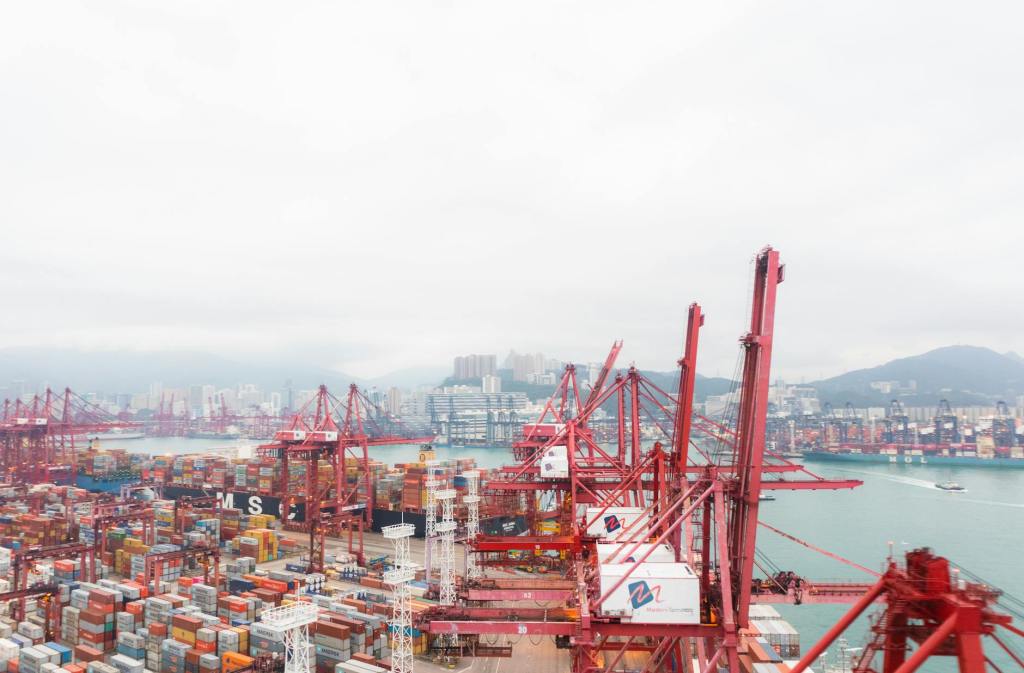
- Completing target security assessments of high-risk port facilities;
- Delivering training on specialized investigative strategies at the Port of Montreal to enhance collaboration between Canadian law enforcement and INTERPOL member countries;
- Increasing Canada Border Services Agency capacity to detect stolen vehicles at rail yards in the Greater Toronto Area; and
- Planning to strengthen bail and sentencing laws to respond to the severity of auto theft, break and enter, extortion and arson committed by repeated, violent and organized criminals.
More information on Canada’s national action plan to combat auto theft is available on the Public Safety Canada website.

 Empty Tank
Leave a comment